
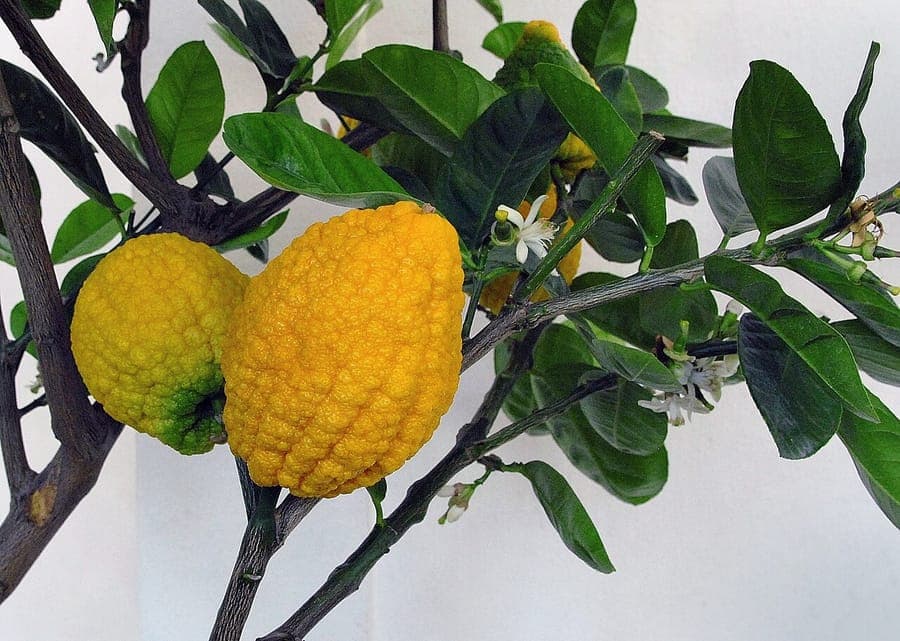
Johann Werfring / CC BY-SA 3.0, via Wikimedia Commons
Citrus medica: complete guide
Citrus medica
¿Quieres ver Citrus medica: complete guide en tu jardín?
1 minuto, sin tarjeta de crédito
Overview
Citrus medica, commonly known as citron or Ethrog, is a fruit tree belonging to the Rutaceae family. This distinctive citrus species stands apart from its relatives due to its large, thick-walled fruits and pronounced aroma. Native to the Himalayan region through Myanmar, where it remains cultivated in traditional gardens today. The plant produces not only edible fruits but also beautiful white flowers with an intense citrus fragrance.
Appearance and Bloom
Citrus medica grows into a shrub or small tree reaching 2 to 5 meters in height. The leaves are elongated, glossy green, and possess a leathery texture. The white flowers appear in clusters with a strong, sweet aroma that is renowned in traditional applications. The fruits are remarkably large, often reaching 15 centimeters in length, with thick, bumpy skin ranging from yellow to green. The flesh is mildly acidic to sweet, depending on the variety.
Ideal Location
Position your Citrus medica in a sunny spot in the garden. The plant requires at least 6 hours of direct sunlight daily for optimal growth and fruit production. In temperate climates, this species thrives best in sunny positions against a warm wall or in a greenhouse. Protection from cold winds is essential, as this plant is sensitive to temperatures below 5 degrees Celsius.
Soil
Citrus medica grows best in loose, well-draining soil with a pH between 6 and 7. Ensure sufficient organic material by adding compost or leaf mold annually. Use potting soil mixed with sand or perlite for best drainage. Heavy clay soils must be improved with sand and organic material to prevent waterlogging.
Watering
Keep the soil consistently moist but not waterlogged. Water regularly during the growing season, especially during dry periods. In winter, reduce watering, although the soil should not dry out completely. For container plants, drainage holes are essential to remove excess water. A thick layer of mulch helps retain moisture and keeps roots cool.
Diseño gratis
¿Quieres ver Citrus medica: complete guide en tu jardín? Crea un diseño gratis ahora.
Pruning
Pruning is especially important for shaping and promoting fruit production. Remove dead or damaged branches in early spring. Thin dense branching to encourage light penetration. Pruning after harvest helps the plant conserve energy for new growth. Avoid aggressive pruning in autumn, as this may cause tender new growth.
Maintenance Calendar
FEBRUARY-MARCH: Begin care; prune and fertilize. APRIL-MAY: Flowering period; ensure regular watering. JUNE-AUGUST: Fruit setting; remove excess fruits for larger specimens. SEPTEMBER-OCTOBER: Harvest ripe fruits. NOVEMBER-JANUARY: Winter rest; minimal care.
Winter Hardiness
Citrus medica is frost-sensitive and cannot tolerate temperatures below 5 degrees Celsius. In colder climates, overwinter in a pot indoors in a bright, cool room. Outdoor specimens in temperate zones must be positioned against a wall or protected with frost cloth. Snow and ice can damage branches; prune damaged parts in early spring.
Companion Plants
Grow Citrus medica alongside lavender, rosemary, and sage for a Mediterranean-oriented garden. These herbs thrive in the same warm, dry conditions. Avoid planting near walnuts, as these release allelopathic substances. Flowers like agapanthus and senecio complement the green foliage of citrus plants well.
Closing Thoughts
Citrus medica brings Mediterranean charm to your garden with its fragrant flowers and striking fruits. With attention to sunlight, drainage, and seasonal care, this fruit tree will provide years of enjoyment. Available at quality garden centers. More information and inspiration found on gardenworld.app. Growing your own fruit tree is a rewarding gardening experience to be fully enjoyed!
¿Quieres ver Citrus medica: complete guide en tu jardín? Crea un diseño gratis ahora.
Sube una foto, elige un estilo y obtén un diseño fotorrealista con lista de plantas en menos de un minuto.
Más de 10.000 jardines diseñados
Sin tarjeta de crédito


Plantas similares
Thamnosma montana: complete guide
Thamnosma montana
Everything about Thamnosma montana, the aromatic turpentine broom from the Mojave Desert. Location, soil, care and companion planting explained.
Narrow-leaved fringed rue: complete guide
Ruta angustifolia
Everything about Ruta angustifolia: location, soil, watering, pruning and winter care for this Mediterranean subshrub.
Mountain rue: complete guide
Ruta montana
A complete guide to Ruta montana: best location, soil, watering, pruning and overwintering of this aromatic Mediterranean subshrub.