
Phuong Tran / CC BY 2.0, via Wikimedia Commons
Citrus japonica: complete guide
Citrus japonica
¿Quieres ver Citrus japonica: complete guide en tu jardín?
1 minuto, sin tarjeta de crédito
Overview
Citrus japonica, commonly called kumquat or round kumquat, is a compact citrus shrub native to southeastern China and Hainan. This unique plant stands out for its small, edible fruits that can be eaten whole directly from the tree, skin included, offering a delightful tart-to-sweet flavor profile.
Appearance and bloom
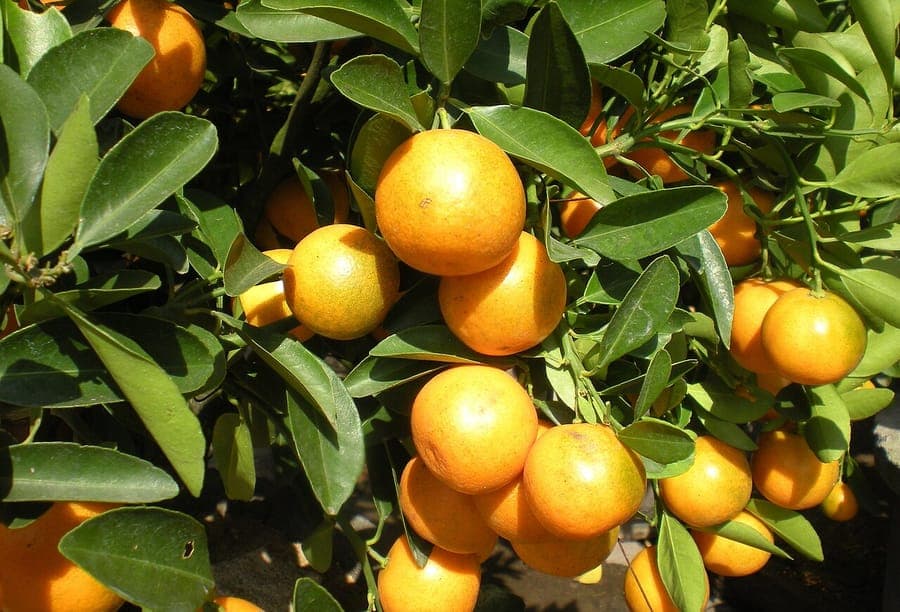
Kumquat grows as a compact shrub reaching 1.5 to 3 meters in height. Glossy green foliage provides year-round color and visual appeal. Fragrant white flowers appear in spring and are readily pollinated by bees. Flowers develop into small, oval fruits approximately 2-3 cm long that turn bright orange when fully ripe.
Ideal location
Select a very sunny spot receiving 6 to 8 hours of direct sunlight daily for optimal fruit production. In temperate climates, grow outdoors during warm months and move indoors or into a greenhouse during winter. Wind protection helps promote growth and fruit set.
Soil
Provide well-draining, neutral to slightly acidic soil (pH 6.0 to 7.0). For containers, use quality citrus potting mix. Heavy clay causes root rot problems. Add grit to improve drainage. Regular feeding with citrus-specific fertilizer promotes growth and fruiting.
Diseño gratis
¿Quieres ver Citrus japonica: complete guide en tu jardín? Crea un diseño gratis ahora.
Watering
Maintain consistent but not waterlogged moisture during growth and fruiting season. Container soil may dry slightly between waterings. Excessive water leads to root rot. Reduce watering in winter as growth slows. Excessive drought triggers flower and fruit drop.
Pruning
Limited pruning suits this plant best. Remove dead or weak branches as needed. Lightly shape the tree to maintain compact form. Avoid heavy cutting as it reduces next season's fruit production. Thin interior growth for improved air circulation.
Maintenance calendar
Spring: Plant and position in warm sunlight. Apply feeding. Summer: Water consistently, manage pests. Autumn: Monitor fruit ripening. Winter: Move indoors in cold regions, reduce watering.
Winter hardiness
Citrus japonica shows limited frost hardiness, surviving to approximately -8 degrees Celsius in sheltered positions. In cold regions, overwinter plants indoors. Keep plants outdoors in mild climates where frost risk is minimal.
Companion plants
In garden settings, low-growing aromatic herbs such as oregano and lavender pair well. In containers, kumquat works excellently as a standalone specimen. Group with other potted plants for attractive composition.
Closing
Citrus japonica offers the unique advantage of edible fruits directly from the tree. Compact growth makes it perfect for patios and terraces. Available at quality retailers. Discover more fruit-growing inspiration on gardenworld.app.
¿Quieres ver Citrus japonica: complete guide en tu jardín? Crea un diseño gratis ahora.
Sube una foto, elige un estilo y obtén un diseño fotorrealista con lista de plantas en menos de un minuto.
Más de 10.000 jardines diseñados
Sin tarjeta de crédito


Plantas similares
Thamnosma montana: complete guide
Thamnosma montana
Everything about Thamnosma montana, the aromatic turpentine broom from the Mojave Desert. Location, soil, care and companion planting explained.
Narrow-leaved fringed rue: complete guide
Ruta angustifolia
Everything about Ruta angustifolia: location, soil, watering, pruning and winter care for this Mediterranean subshrub.
Mountain rue: complete guide
Ruta montana
A complete guide to Ruta montana: best location, soil, watering, pruning and overwintering of this aromatic Mediterranean subshrub.