
Wikimedia Commons / CC BY-SA 3.0, via Wikimedia Commons
Cercis chinensis: complete guide
Cercis chinensis
¿Quieres ver Cercis chinensis: complete guide en tu jardín?
1 minuto, sin tarjeta de crédito
Overview
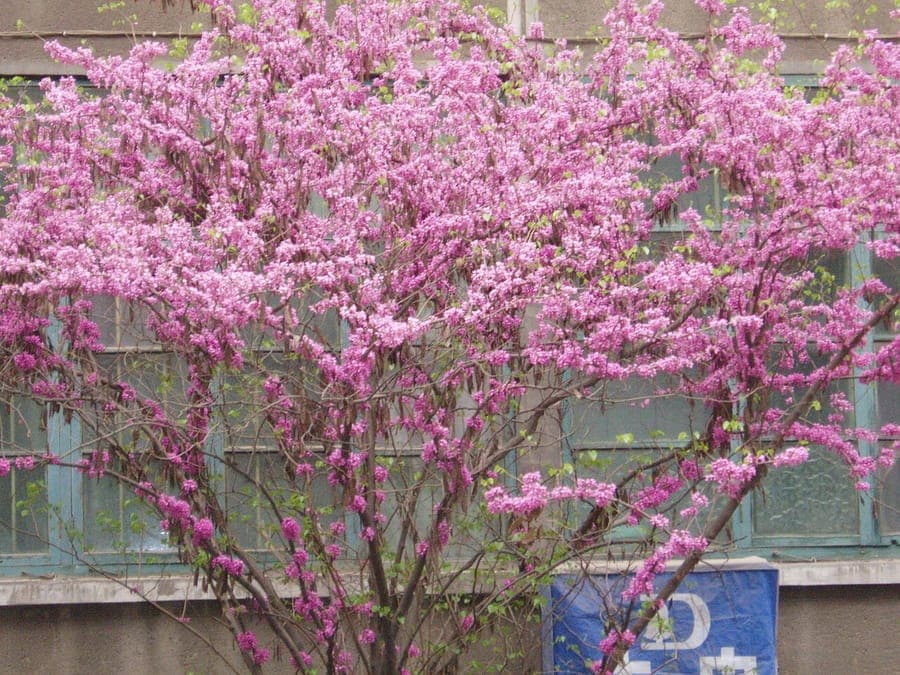
Cercis chinensis, the Chinese redbud or Chinese Judas tree, is an impressive small tree from China. Known for its striking pink flowers that grow directly from branches before foliage appears, it makes a spectacular first impression in spring.
This tree belongs to the Fabaceae family (legume family). With graceful, elegant growth habit and long blooming period, it is a valuable addition to gardens seeking architecture and color.
Appearance and Bloom
Cercis chinensis usually grows as a small to medium tree, 5 to 8 meters tall. The tree has an open, spreading crown. The leaves are heart-shaped, approximately 7 to 12 centimeters long, initially reddish when emerging and later deep green.
The flowers are pink to violet-pink and grow directly from branches and trunk (cauliflory). They appear before the leaves emerge, literally covering the branches from April to May. After blooming, the tree forms flat, brown seed pods.
Ideal Location
Plant Cercis chinensis in full sun to light partial shade. The tree blooms best with at least 5 to 6 hours of direct sunlight daily. In partial shade, it grows well but blooming becomes less abundant.
Choose a sheltered location away from wind. The tree tolerates many urban conditions. In very cold climates, protect against strong winter wind.
Soil
The tree thrives in virtually any soil type provided it drains well. A slightly acidic to neutral soil with pH 6.0 to 7.5 is optimal. The tree tolerates poor soils but grows better in nutrient-rich soil.
Improve heavier clay soils by working in sand, gravel, and organic matter. Avoid waterlogging and damp locations.
Diseño gratis
¿Quieres ver Cercis chinensis: complete guide en tu jardín? Crea un diseño gratis ahora.
Watering
Water regularly during growing period, especially for young trees. Once established, the tree tolerates dry periods fairly well. In very dry summers, provide extra water.
Maintain evenly moist soil without waterlogging. A 5-centimeter mulch layer helps with moisture retention.
Pruning
Pruning is not strictly necessary, but early training helps create a beautiful tree form. Remove any poor branches in early spring.
Avoid heavy pruning wounds. The tree does not heal well. Remove dead wood completely.
Maintenance Calendar
March: Inspect branches. Remove dead wood. Apply fertilizer.
April-May: Enjoy blooming. Water regularly.
June: Seed pods form. Water according to weather.
July-September: Normal summer care. Water during dry periods.
October-November: Prepare tree for winter.
December-February: Winter rest. Minimal care in temperate climates.
Winter Hardiness
Cercis chinensis is winter hardy to approximately -10 to -15 degrees Celsius. In temperate climates, it survives outdoors without problems. In very cold regions, protect young trees their first winter.
The tree tolerates short frost periods well. Prolonged cold below -20 degrees can cause damage.
Companion Plants
Combines well with other spring bloomers such as Magnolia, Prunus, and Forsythia. Plant low-growing groundcovers beneath it to add texture.
The tree gives small gardens an Asian touch. In larger landscapes, plant in groups for dramatic effects. Good against neighbors or as a specimen on lawns.
Closing Thoughts
Cercis chinensis brings drama and color to gardens in spring. With simple care, it grows in diverse soils and climates. This Chinese redbud is a valuable ornament for any garden landscape.
Available at garden centers in various selections. Plant in fall or early spring for best growth. Discover more planting ideas on gardenworld.app for your garden design.
¿Quieres ver Cercis chinensis: complete guide en tu jardín? Crea un diseño gratis ahora.
Sube una foto, elige un estilo y obtén un diseño fotorrealista con lista de plantas en menos de un minuto.
Más de 10.000 jardines diseñados
Sin tarjeta de crédito


Plantas similares
Tall Silky Lupine: complete guide
Lupinus elatus
Tall silky lupine is a fast-growing Californian perennial with silvery foliage and blue-purple flower spikes, ideal for a prairie-style garden.
Garfield Lupine: complete guide
Lupinus garfieldensis
The Garfield lupine is a rare, fast-growing American perennial for alkaline, dry grassland gardens, with striking blue flower spikes.
Lupinus elegans: complete guide
Lupinus elegans
Lupinus elegans, the elegant lupine, is a spectacular blooming plant from Mexico with blue flower spikes. Care, cultivation and garden use.