
Wikimedia Commons / CC BY-SA 3.0, via Wikimedia Commons
Harrington's plum yew: complete guide
Cephalotaxus harringtonii
¿Quieres ver Harrington's plum yew: complete guide en tu jardín?
1 minuto, sin tarjeta de crédito
Overview
Harrington's plum yew (Cephalotaxus harringtonii), also called Japanese plum yew, is a refined and gracefully growing conifer from the Taxaceae family. This genus is known for its uncommon presence in European gardens and its preference for shaded locations. Unlike many conifers, this species thrives in partial shade and is therefore ideal for difficult-to-plant corners.
This guide takes you through cultivation, maintenance, and sourcing, so you can successfully grow this beautiful plant in your front or back garden.
Appearance and bloom
Harrington's plum yew is a compact to medium-sized conifer with an elegant, low-growing form. The plant typically reaches heights of 2 to 4 meters and widths of 1.5 to 2.5 meters under average conditions.
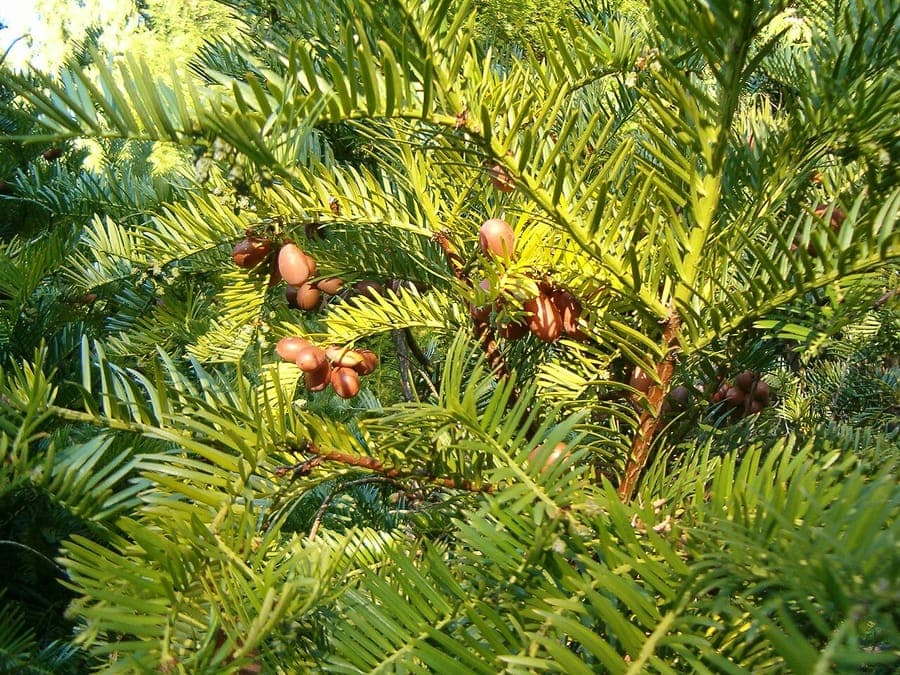
The needles are distinctly fine and linear, dark green and glossy, arranged in two rows along the twigs. This comb-like needle arrangement gives the plant a very refined appearance that differs from more densely branched conifers.
Female specimens produce characteristic fruits that start as whitish-green and turn black at maturity. These fruits attract birds and contribute to your garden's ecological value.
Ideal location
Cephalotaxus harringtonii is unique among conifers because it prefers partial to full shade. This makes it an excellent choice for locations with limited sunlight. Corners beneath trees, north-facing building sides, or sheltered garden corners are perfect.
The plant tolerates light, but may experience leaf burn under intense midday sun in very warm climates. In European climates, light afternoon shade is ideal.
Provide protection from strong winds, especially in open gardens or elevated areas. The plant thrives better when somewhat sheltered.
Soil
Harrington's plum yew is not particularly fussy about soil type, provided it drains well. It grows on virtually all soils, from neutral to slightly acidic.
Optimal conditions include nutrient-rich, humus-rich soil. When planting, I recommend filling the planting hole generously with compost or leaf mold, allowing the young plant to establish roots easily.
In heavy clay soils, improving drainage is essential. Add sand or organic material to prevent waterlogging.
Watering
The plant has relatively modest water requirements, especially once established. Young plants should receive regular water, particularly during dry periods in their first two growing seasons.
Under normal conditions, rainfall suffices, but during dry summers supplemental watering is beneficial. Ensure the soil does not dry out, but avoid waterlogging, which can cause root rot.
During winter, less water is needed, but you can still check moisture during frost-free periods.
Diseño gratis
¿Quieres ver Harrington's plum yew: complete guide en tu jardín? Crea un diseño gratis ahora.
Pruning
Cephalotaxus harringtonii grows slowly and develops naturally elegant form, so excessive pruning is unnecessary. However, you can shape this plant in late spring or early summer if desired.
Remove dead or damaged branches as soon as possible. Light shaping can be done every 2-3 years, but the plant thrives better with minimal intervention. Never cut back far into old wood unless absolutely necessary.
Maintenance calendar
- Spring (March-April): Check for winter damage, remove dead branches, light shaping if needed
- Summer (May-August): Water during dry periods, monitor plant health
- Autumn (September-October): Prepare for winter, check drainage
- Winter (November-February): Minimal maintenance, protection during extreme frost
Winter hardiness
Harrington's plum yew is very hardy and thrives in all gardens across the UK and northern Europe. The plant can tolerate temperatures well below zero and is suitable for hardiness zone 5 (down to approximately -29 degrees Celsius).
During extreme frost periods, especially drying frosts, light foliage damage may occur, but this usually recovers in the next growing season. Young plants benefit from protection in their first winter.
Companion plants
Cephalotaxus harringtonii combines beautifully with:
- Sarcococca (fragrant winter flowering)
- Ilex (holly) - for structure and bird food
- Helleborus (hellebore) - elegant ground-level coverage
- Fatshedera (climber for vertical dimension)
- Fatsia japonica (large-leaved plant for contrast)
These combinations share the same shade and soil requirements and create layered, interesting compositions together.
Closing thoughts
Harrington's plum yew is a refined choice for those seeking a unique, low-growing conifer that tolerates shade. With minimal maintenance, attractive foliage, and ecological value, this plant deserves more attention in European gardens.
For gardenworld.app users: this plant is ideal for shaded corners in garden designs and combines modern design with historical elegance. Integrate Cephalotaxus into your front garden for a balanced, mature appearance.
Gardenworld.app offers much more plant information. Discover how to optimally incorporate this plum yew into your garden plan.
Available from major garden retailers across Europe.
¿Quieres ver Harrington's plum yew: complete guide en tu jardín? Crea un diseño gratis ahora.
Sube una foto, elige un estilo y obtén un diseño fotorrealista con lista de plantas en menos de un minuto.
Más de 10.000 jardines diseñados
Sin tarjeta de crédito


Plantas similares
Taxus chinensis: complete guide
Taxus chinensis
The Chinese yew is an elegant evergreen conifer with dense dark foliage. Discover cultivation tips, hardiness, and how it differs from other yew species for your garden.
Florida Torreya: Complete Guide to This Endangered Evergreen
Torreya taxifolia
Discover the Florida torreya (Torreya taxifolia), an endangered, elegant evergreen. Learn about care, habitat, and conservation importance.
Chinese Nutmeg Tree: complete guide
Torreya grandis
Learn everything about Torreya grandis, the Chinese nutmeg tree. Discover cultivation methods, care, and special characteristics of this rare tree.