
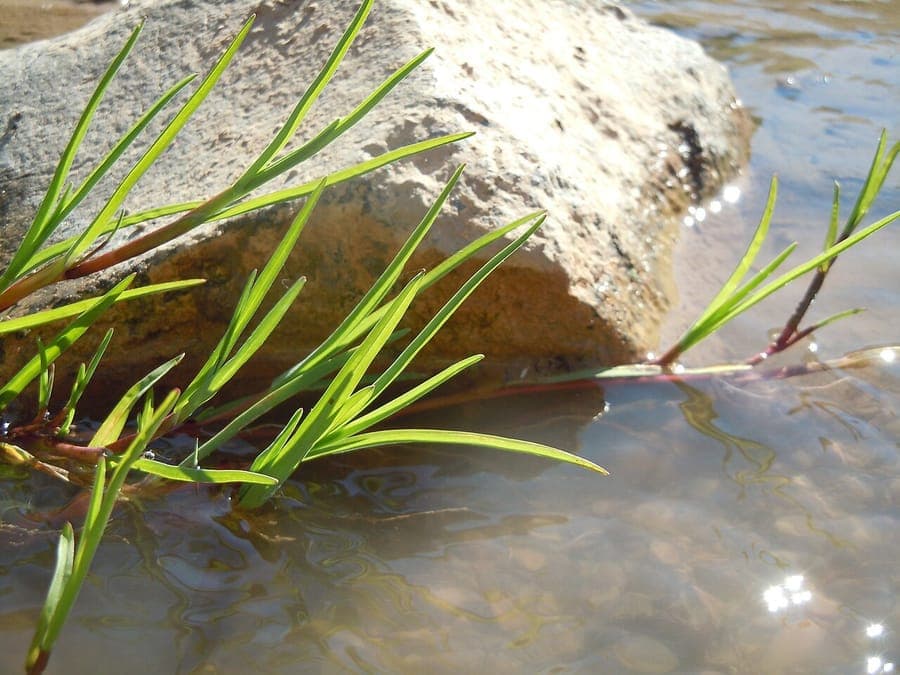
Matt Lavin from Bozeman, Montana, USA / CC BY-SA 2.0, via Wikimedia Commons
Water whorl-grass: complete guide
Catabrosa aquatica
¿Quieres ver Water whorl-grass: complete guide en tu jardín?
1 minuto, sin tarjeta de crédito
Overview
Water whorl-grass (Catabrosa aquatica), also known as whorl-grass or spring grass, is an aquatic grass species from the grass family (Poaceae). This plant grows primarily in shallow waters, marshes, and wet soil types. Water whorl-grass is a remarkably resilient plant showing exceptional tolerance for wet conditions and even periodic flooding. The plant forms dense clusters of fine foliage at or just above the water surface.
Water whorl-grass is ecologically valuable because it provides animal habitat and can improve water quality by absorbing contaminants. The plant is also used in water gardens and for restoration of wetland habitats.
Appearance and Bloom Cycle
Water whorl-grass typically grows 30 to 50 centimeters tall, with fine, ribbon-like leaves that extend slightly above the water surface. The leaves are soft green in color and typical of aquatic grasses. The flower head consists of small, inconspicuous florets in a compound spike, appearing from July through August.
The flowers are very small and range from green to reddish-brown in color. They are not particularly showy, but the plant is primarily valued for its foliage dynamics and ecological role.
Ideal Location
Water whorl-grass grows best in shallow waters with depths of 10 to 30 centimeters. The plant thrives in marshlands, along water channels, and in permanently moist spots. The plant tolerates full sun to dappled shade.
In gardens, water whorl-grass works best in marsh beds, at water margins, and in rainwater catch basins. The plant is extremely winter-hardy and grows well in temperate to cold climates.
Soil Requirements
Water whorl-grass performs best on silt and loam-rich soils that are nutrient-poor to moderately nutrient-rich. The plant is not nitrogen-demanding and actually grows better in lower-nutrient water conditions. In highly nutrient-rich waters, algal blooms occur more readily, degrading water quality.
Water whorl-grass tolerates a pH between 6.0 and 7.5. The underlying soil must remain permanently moist, preferably with some water column above.
Diseño gratis
¿Quieres ver Water whorl-grass: complete guide en tu jardín? Crea un diseño gratis ahora.
Watering
Water whorl-grass requires permanent moisture and grows best in shallow waters. The plant suffers rapidly in dry conditions. For optimal growth, maintain a water column of 10 to 20 centimeters above the root zone. The plant can also grow in very swampy soils, provided these remain permanently moist.
Dry periods are very damaging to water whorl-grass, so ensure it always has sufficient water.
Pruning and Maintenance
Water whorl-grass requires minimal pruning. Remove dead foliage in late spring. In densely populated waters, you can remove old culms to encourage new growth. The plant spreads via underground runners, so monitor these regularly to prevent spread if desired.
Algal blooms can occur in highly nutrient-rich waters. This can be partly limited by regularly removing some water whorl-grass to extract nutrients from the water.
Maintenance Calendar
April-May: Plant water whorl-grass in marshes or shallow waters. June-July: Growth and vegetative development. July-August: Flowering and seed set. September-October: Die-back of aerial parts in preparation for winter. November-March: Winter dormancy.
Winter Hardiness
Water whorl-grass is extremely winter-hardy and grows well in temperate to cold climates. The plant tolerates temperatures as low as -25 degrees Celsius. In winter, aerial parts die back, but roots survive underwater. In spring, new shoots emerge from underground rhizomes.
The plant requires no winter protection.
Companion Plants
Water whorl-grass grows well alongside other aquatic plants such as reed grass, water plantain, and arrowhead. These combinations enhance the ecological value of the water habitat.
Avoid combining water whorl-grass with strongly nutrient-demanding aquatic plants that can dominate and suppress the whorl-grass.
Closing Remarks
Water whorl-grass is a resilient and ecologically valuable plant for wet gardens and water features. It requires minimal maintenance and offers significant value to aquatic ecosystems. For more information on aquatic plants, visit gardenworld.app for detailed plant care advice. Plant material is available from specialized aquatic plant nurseries and online suppliers. Gardenworld.app can further assist with everything related to water gardens.
¿Quieres ver Water whorl-grass: complete guide en tu jardín? Crea un diseño gratis ahora.
Sube una foto, elige un estilo y obtén un diseño fotorrealista con lista de plantas en menos de un minuto.
Más de 10.000 jardines diseñados
Sin tarjeta de crédito


Plantas similares
Sporobolus pungens: complete guide
Sporobolus pungens
Sporobolus pungens is a stoloniferous Mediterranean coastal grass with outstanding salt and drought tolerance, perfect for seaside and dry gardens.
Mediterranean aegilops: complete guide
Aegilops biuncialis
Everything about Aegilops biuncialis, a Mediterranean annual grass with ornamental spikes and outstanding drought tolerance for dry gardens.
Silver bluestem: complete guide
Bothriochloa saccharoides
Full guide to Bothriochloa saccharoides (silver bluestem): site, soil, watering, winter hardiness, pruning, and garden companions.