
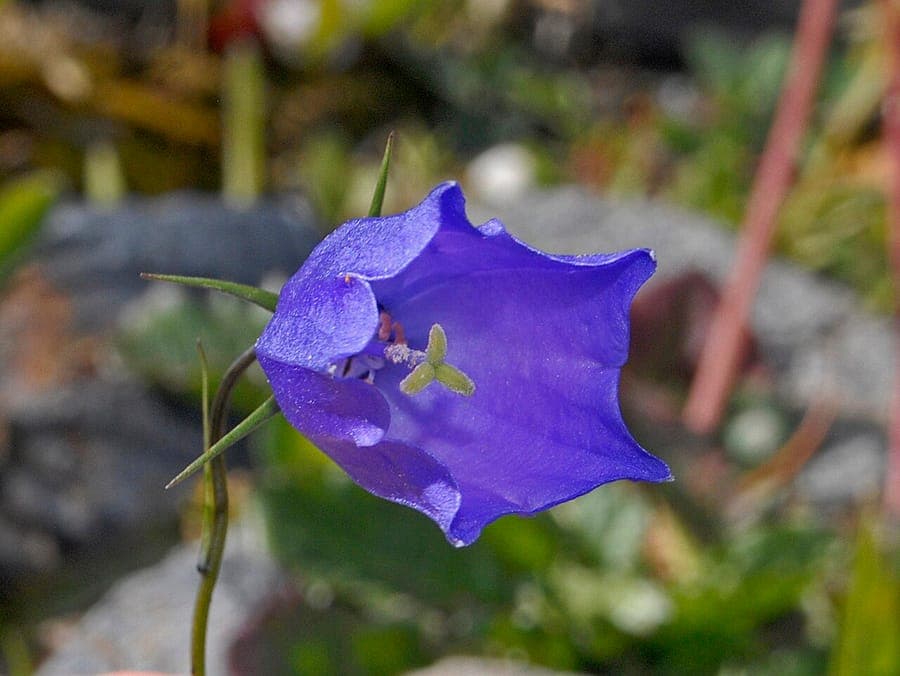
Hectonichus / CC BY-SA 3.0, via Wikimedia Commons
Scheuchzer's bellflower (Campanula scheuchzeri): complete guide
Campanula scheuchzeri
¿Quieres ver Scheuchzer's bellflower (Campanula scheuchzeri): complete guide en tu jardín?
1 minuto, sin tarjeta de crédito
Overview
Scheuchzer's bellflower (Campanula scheuchzeri) is an elegant alpine perennial in the Campanulaceae family. Found in the European mountains, this charming plant captivates with slender stems bearing blue to violet-purple bell flowers that dangle gracefully. It's a jewel for rock gardens, alpine troughs, and alpine borders.
Appearance & Bloom Cycle
This alpine beauty reaches 20-40 centimeters tall, with slender, leafy stems and fine, linear foliage. Delicate blue to violet-purple bell flowers emerge from May to August, each measuring approximately 1.5 centimeters long. The plant forms a neat basal rosette of leaves, creating a compact winter outline.
Ideal Location
Plant Scheuchzer's bellflower in full sun to light shade, ideally with four to six hours of direct light daily. Alpine settings with excellent air circulation suit this plant best. In very warm regions, afternoon shade prevents heat stress. Avoid dark, damp shadowed areas completely.
Soil Requirements
This plant thrives in well-draining, fertile but not overly rich soil. A mix of compost, sand, and gravel works excellently. Ideal pH is 6.0-7.0. Heavy soil must be substantially improved to prevent crown rot. Good drainage is absolutely essential for success.
Watering
Water regularly during the growing season, keeping soil moist but never waterlogged. Established plants tolerate moderate drought. The basal rosette must overwinter dry - water very cautiously in winter. After flowering, reduce water gradually. Avoid overhead watering to prevent leaf disease.
Diseño gratis
¿Quieres ver Scheuchzer's bellflower (Campanula scheuchzeri): complete guide en tu jardín? Crea un diseño gratis ahora.
Pruning & Maintenance
Deadhead spent flowers to encourage continued blooming. In spring, remove any dead or damaged leaves. No heavy pruning needed; this tidy plant maintains itself. Division in spring creates new plants if desired and reinvigorates old clumps.
Maintenance Calendar
March-April: Clean away dead leaves; divide if needed. May-August: Flowering period; deadhead regularly. September-October: Gradually reduce watering. November-February: Dormant phase; minimal water.
Winter Hardiness
Scheuchzer's bellflower is hardy (USDA zones 4-7) but demands dry winter conditions. Wet winters pose more risk than cold. In very wet climates, excellent drainage or rain protection helps ensure survival. A layer of gravel around the crown prevents rot.
Companion Plants
Pair Scheuchzer's bellflower with other alpines: saxifrages, sedums, alpine phloxes, and alpine carnations. The blue flowers contrast beautifully with yellow alpine flora. In rock gardens, they create elegant drifts with other low-growing mountain plants.
Conclusion
Scheuchzer's bellflower adds elegance to alpine gardens and rocky plantings. This graceful mountain beauty deserves a place in every sunny rock garden or alpine trough. Plant it now and enjoy years of delicate blue blooms. For more garden inspiration and design ideas, visit gardenworld.app.
¿Quieres ver Scheuchzer's bellflower (Campanula scheuchzeri): complete guide en tu jardín? Crea un diseño gratis ahora.
Sube una foto, elige un estilo y obtén un diseño fotorrealista con lista de plantas en menos de un minuto.
Más de 10.000 jardines diseñados
Sin tarjeta de crédito


Plantas similares
Campanula alaskana: complete guide
Campanula alaskana
Discover Campanula alaskana, the delicate alpine bellflower from Alaska. Growing tips, hardy requirements, and design ideas for rock gardens and alpine troughs.
Campanula scouleri: complete guide
Campanula scouleri
Discover Campanula scouleri, the refined Pacific bellflower. Growing tips, care requirements, and design ideas for woodland and mountain gardens.
Doublehorn calicoflower: complete guide
Downingia bicornuta
All about Downingia bicornuta - the doublehorn calicoflower: sowing, location, bloom and care for this rare annual in your garden.