
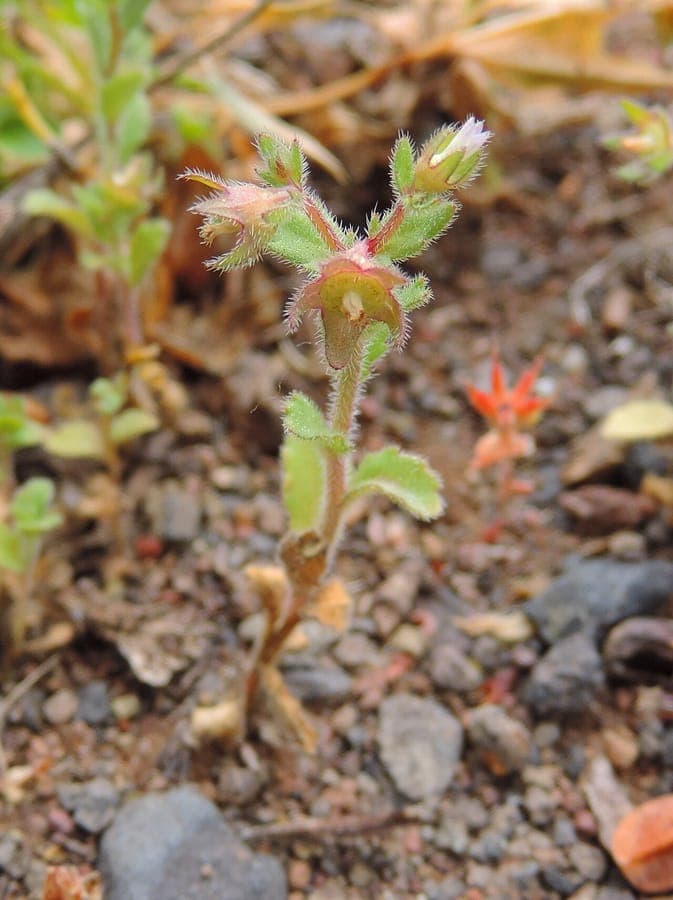
Krzysztof Ziarnek, Kenraiz / CC BY-SA 4.0, via Wikimedia Commons
Bellflower erinus: complete guide
Campanula erinus
¿Quieres ver Bellflower erinus: complete guide en tu jardín?
1 minuto, sin tarjeta de crédito
Overview
Campanula erinus is a charming small bellflower native to Mediterranean and North African mountain regions. This hardy yet elegant plant grows naturally on rocks and steep slopes at elevations of 300-2000 meters. It is a perfect plant for those wanting to bring beautiful details to the garden. This delicate plant brings classic elegance and Mediterranean flair to any rock garden.
Appearance and Bloom
Campanula erinus forms slender, upright plants only 10-25 centimeters tall. The plant has narrow, lance-shaped leaves and delicate stems. The flowers are the real attraction: small, bright blue bell-shaped flowers that appear from April to August. The bloom abundance is often spectacular under good growing conditions. White-flowering varieties are also available but less commonly sold.
Ideal Location
Choose a very sunny spot with well-draining soil. This plant adores sunlight and thrives in warm microclimates. Perfect on south-facing exposures against walls or on raised rock features. Protection from strong wind is helpful. The plant tolerates full sun better than partial shade.
Soil Requirements
Campanula erinus requires well-draining, fertile soil. Neutral to slightly alkaline soil (pH 7.5-8.0) is ideal. Mix sand, gravel, and mineral components through garden soil. Organic material should be limited to prevent overgrowth. Poor drainage quickly leads to root rot.
Watering
Water regularly, especially during the growth phase. Let the soil dry slightly between waterings. Avoid stagnation or flooding, which leads to plant death. Water more during dry summers. In winter, water very carefully as the plant rests.
Pruning
Remove faded flowers to stimulate continuous blooming. After the growing season, leggy plants can be lightly pruned back. This plant usually maintains a compact form.
Maintenance Calendar
Spring: Sow or plant out, water regularly. Summer: Remove faded flowers, maintain moisture levels. Autumn: Reduce watering. Winter: Minimal care, plant can overwinter.
Diseño gratis
¿Quieres ver Bellflower erinus: complete guide en tu jardín? Crea un diseño gratis ahora.
Winter Hardiness
Campanula erinus is fairly winter-hardy to around minus 10-15 degrees Celsius. In cooler regions the plant may not survive winter. It is often annual or short-lived. In favorable microclimates it can last multiple years. Protection from wet and frost helps.
Companion Plants
Combine with other Mediterranean rock-lovers such as sedum, sempervivum, and other alpine bellflowers. Beautiful in garden walls together with saxifrages. Ideal as a succulent companion. The combination of fine structure and sturdy succulents creates a harmonious appearance. Add silver-foliaged plants for textural contrast that highlights the delicate blooms.
Propagation and Seed Collecting
Campanula erinus can be grown from seed with reliable results. Sow in February-March on warm seedbed (15-18 degrees Celsius). Seeds germinate after 10-15 days. Plant out in May when frost danger has passed. The plant sometimes self-seeds, especially under optimal conditions and in sandy environments, which can lead to spontaneous seedlings in subsequent seasons. This natural regeneration ensures continuous bloom cycles year after year. For seed collection: let several flowers fully mature, harvest seed in August-September when seed heads turn brown.
Frequently Asked Questions and Troubleshooting
How long does Campanula erinus bloom? With regular removal of faded flowers, the plant flowers continuously until August. Why does my plant die? Usually from stagnation or poor drainage - this is critical. Check watering carefully and ensure sandy soil composition. Can I grow it in containers? Yes, even ideal for pots with well-draining mix of 60 percent gravel and 40 percent soil. Is it toxic? No, absolutely safe for pets and children. Does it attract pollinators? Yes, butterflies and bees love these delicate flowers. Why does my plant turn yellow? This indicates too much water or root zone stagnation.
Closing
Campanula erinus brings Mediterranean elegance to rock gardens. The delicate blue flowers are a real eye-catcher and add color where you least expect it. Local garden centers regularly offer seedlings for home delivery. Discover more inspiration on gardenworld.app and design your dream rock garden. Let gardenworld.app inspire you and start your own alpine experiment today.
¿Quieres ver Bellflower erinus: complete guide en tu jardín? Crea un diseño gratis ahora.
Sube una foto, elige un estilo y obtén un diseño fotorrealista con lista de plantas en menos de un minuto.
Más de 10.000 jardines diseñados
Sin tarjeta de crédito


Plantas similares
Campanula alaskana: complete guide
Campanula alaskana
Discover Campanula alaskana, the delicate alpine bellflower from Alaska. Growing tips, hardy requirements, and design ideas for rock gardens and alpine troughs.
Campanula scouleri: complete guide
Campanula scouleri
Discover Campanula scouleri, the refined Pacific bellflower. Growing tips, care requirements, and design ideas for woodland and mountain gardens.
Doublehorn calicoflower: complete guide
Downingia bicornuta
All about Downingia bicornuta - the doublehorn calicoflower: sowing, location, bloom and care for this rare annual in your garden.