
Wikimedia Commons / Public domain, via Wikimedia Commons
Calamagrostis villosa: complete guide
Calamagrostis villosa
¿Quieres ver Calamagrostis villosa: complete guide en tu jardín?
1 minuto, sin tarjeta de crédito
Overview
Calamagrostis villosa, better known as Hairy reed grass or Wolliges Reitgras, is an elegant ornamental grass native to the mountainous regions of central and southern Europe. This distinctive grass stands out for its beautiful, silvery-white plumes that grow in an airy, natural manner. With a height of 80 to 120 centimeters, Calamagrostis villosa makes a stunning addition to modern and classical gardens. The grass is exceptionally versatile: suitable for borders, as a solo accent, and even in containers. Moreover, this grass provides movement in the garden through the way its plumes dance in the breeze.
Appearance and Bloom
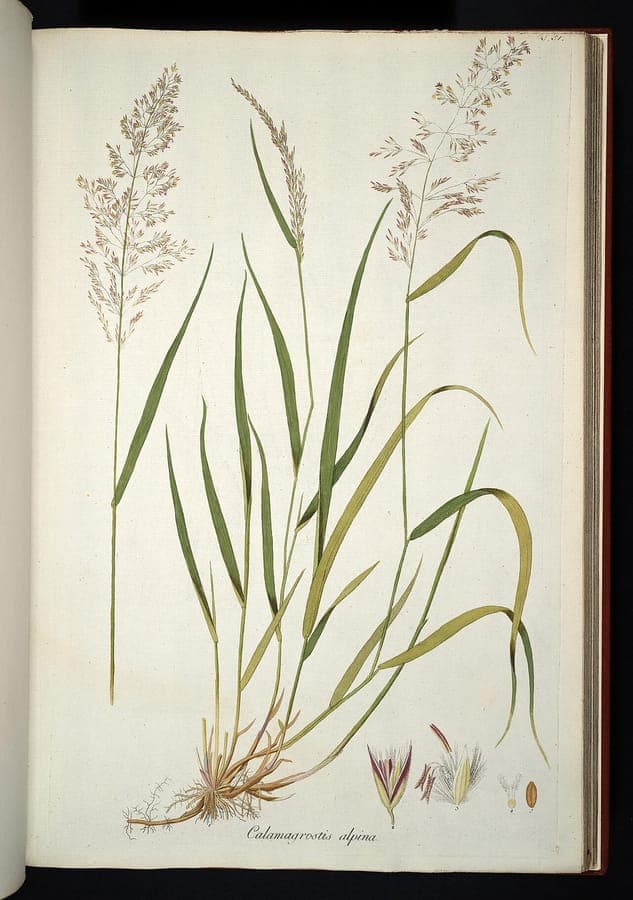
Calamagrostis villosa grows in dense, upright clumps approximately 90-120 centimeters tall. The blades are narrow, fine-textured, and green to grayish-green. In June, the beautiful, delicate plumes appear in silvery-white to light brown color. These plumes have a dense, hairy appearance typical of the species, hence the name "Hairy reed grass." The plumes are highly decorative and remain attractive throughout autumn and even into winter. This grass blooms over an extended period, offering months of visual pleasure.
Ideal Location
Although Calamagrostis villosa thrives best in full sun (at least six hours daily), it tolerates partial shade (3-4 hours sun). In very warm climates, light afternoon shade is beneficial. The grass tolerates wind well thanks to its elastic structure. Plant the grass not on windy garden edges but rather in somewhat sheltered zones where the plumes can reach their full potential. Ensure adequate air circulation to prevent fungal issues.
Soil
Calamagrostis villosa grows best in well-draining soil that is slightly acidic to neutral with a pH between 4.5 and 6.5. The plant thrives on various soil types but prefers moderately fertile grounds. Heavy, dense soils can be improved by adding sand, gravel, or organic material. Waterlogged soils must be avoided; if necessary, improve drainage by adding perlite or broken bricks beneath the plant. This grass thrives in less fertile spots, so excess fertility is unnecessary.
Watering
Once established, Calamagrostis villosa is relatively drought-tolerant. In the first year after planting, water regularly to promote good rooting. Thereafter, the grass only needs water during very dry periods. Avoid waterlogged conditions, as this can lead to root rot. In container culture, monitor moisture levels more carefully; ensure soil dries slightly between waterings. Summer drought is well tolerated, making this grass ideal for water-efficient gardens.
Diseño gratis
¿Quieres ver Calamagrostis villosa: complete guide en tu jardín? Crea un diseño gratis ahora.
Pruning
Calamagrostis villosa requires minimal pruning. In early spring (March-April), you can remove all previous year's growth to approximately 10 centimeters height. This promotes new, fresh growth and prepares the plant for the season. Avoid autumn pruning, as dried stems and plumes are decorative through winter. Remove only dead or damaged portions during the growing season. Use clean garden shears to prevent infection.
Maintenance Calendar
March-April: Spring maintenance pruning. May-June: Follow growth, plumes appear. July-September: Enjoy plumes, minimal maintenance. October-February: Dried plumes remain standing for winter interest.
Winter Hardiness
Calamagrostis villosa is fully hardy down to at least -15 degrees Celsius (USDA zone 6). This grass survives severe winters without damage and can remain outdoors permanently. The dried stems and plumes stand through winter providing valuable structure and bird food. In extremely cold climates, wet soil conditions may be more problematic than frost, so ensure good drainage.
Companion Plants
Calamagrostis villosa combines beautifully with other ornamental grasses and groundcover plants. Plant the grass alongside low-flowering perennials such as Stipa, Helictotrichon, or Festuca. For color contrast, pair it with purple flowers (Nepeta, Salvia) or silver foliage (Artemisia). In shadier zones, it combines well with Hostas or other foliage plants. In hedgerows, this grass can alternate with shrubs for extra texture.
Final Thoughts
Calamagrostis villosa is the perfect ornamental grass for gardeners seeking elegance and simplicity. With its beautiful silvery-white plumes, minimal care requirements, and excellent winter hardiness, this grass is a true asset to any garden. Whether you want to create a modern contemporary design or achieve a more naturalistic garden, this European grass always adds style. Find more information and planting ideas on gardenworld.app. Enjoy this beautiful grass!
For growing Calamagrostis villosa in temperate regions, quality garden centers are excellent resources, where experienced staff can help with selection and planting advice. GardenWorld.app supports you further with all your gardening needs.
¿Quieres ver Calamagrostis villosa: complete guide en tu jardín? Crea un diseño gratis ahora.
Sube una foto, elige un estilo y obtén un diseño fotorrealista con lista de plantas en menos de un minuto.
Más de 10.000 jardines diseñados
Sin tarjeta de crédito


Plantas similares
Sporobolus pungens: complete guide
Sporobolus pungens
Sporobolus pungens is a stoloniferous Mediterranean coastal grass with outstanding salt and drought tolerance, perfect for seaside and dry gardens.
Mediterranean aegilops: complete guide
Aegilops biuncialis
Everything about Aegilops biuncialis, a Mediterranean annual grass with ornamental spikes and outstanding drought tolerance for dry gardens.
Silver bluestem: complete guide
Bothriochloa saccharoides
Full guide to Bothriochloa saccharoides (silver bluestem): site, soil, watering, winter hardiness, pruning, and garden companions.