
Bécourt / CC BY 4.0, via Wikimedia Commons
Slender soft brome: complete guide
Bromus lepidus
¿Quieres ver Slender soft brome: complete guide en tu jardín?
1 minuto, sin tarjeta de crédito
Overview
Bromus lepidus, commonly known as slender soft brome, is an attractive ornamental grass native to northern and central Europe. This elegant grass adds movement and texture to garden borders and thrives in wild garden settings. The slender soft brome is noted for its delicate foliage and tender grass inflorescences that flower from May through July.
The grass prefers temperate climates and grows best in locations receiving abundant sunlight. If you're seeking a low-maintenance ornamental grass that adds visual interest without excessive effort, the slender soft brome is an excellent choice for your front yard.
Appearance and bloom
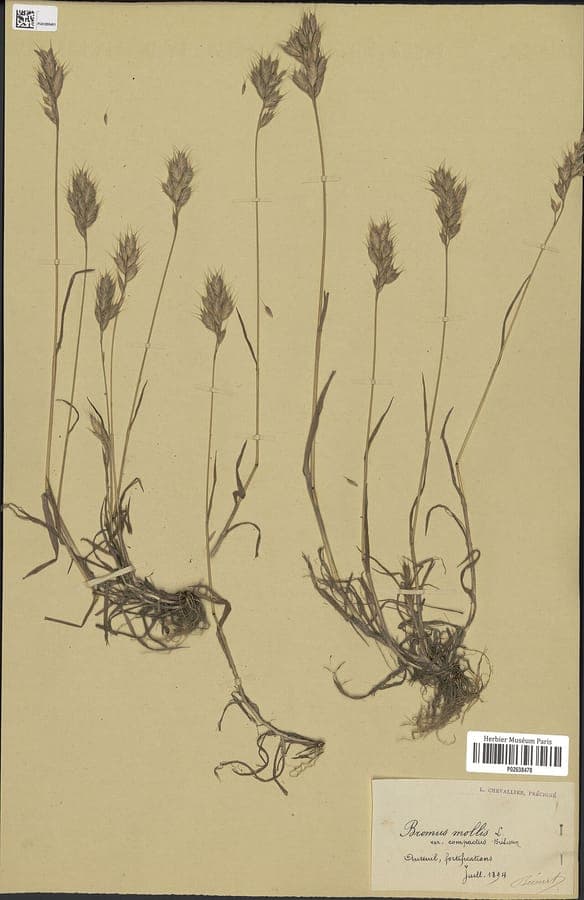
Slender soft brome grows in an elegant, refined form, typically reaching 40-60 centimeters in height. The leaves are fine and light green, giving the grass a delicate appearance. The inflorescence consists of green, slender spikelets that emerge in spring and early summer.
The flowering period spans May through July, when the grass produces small, subtle but elegant flowers. After flowering, the grass develops seed heads that add further visual interest to the garden. The spent flowering stems can remain attractive throughout autumn.
Ideal location
Bromus lepidus grows best in locations receiving at least six hours of direct sunlight daily. The grass can also thrive in partial shade, though growth will be somewhat less robust. Ensure the plant receives good air circulation to avoid damp conditions that could promote fungal diseases.
The slender soft brome works beautifully in border arrangements, wild gardens, and naturalistic garden designs. It can also serve as an accent plant in gravel beds or Mediterranean planting schemes. Avoid very windy locations, though the grass is fairly wind-resistant.
Soil
Slender soft brome is not particularly demanding regarding soil type and grows well in normal to moderately fertile soils. However, the grass prefers soils with a pH between 7.0 and 7.5 (neutral to slightly alkaline). Ensure well-draining soil; water stagnation can lead to root rot.
If your garden soil is heavy clay, incorporate sand or compost to improve drainage. The plant is quite frost-hardy and tolerates dry periods well once established.
Diseño gratis
¿Quieres ver Slender soft brome: complete guide en tu jardín? Crea un diseño gratis ahora.
Watering
Once established, slender soft brome is fairly drought-tolerant. During the first growing season, water the grass regularly, especially during dry spells. Once well-established, you can significantly reduce watering.
During summer, particularly in dry periods, water once weekly if the grass shows signs of shriveling. Avoid waterlogging; the grass prefers less water to excess. Winter typically requires no supplemental watering.
Pruning
Slender soft brome requires minimal maintenance. In late spring (March or April), you can remove dead foliage by cutting the grass short. This stimulates new growth. Some gardeners prefer leaving the grass standing through winter for visual interest and to provide food for small birds.
Remove wilted or damaged leaves as you notice them. The grass doesn't require regular pruning; it maintains a natural form without much intervention.
Maintenance calendar
Spring (March-April): Prune dead foliage. Begin feeding.
Summer (May-August): Water regularly during dry periods. Watch for fungal diseases in damp conditions.
Autumn (September-October): Seed heads can be retained for visual interest.
Winter (November-February): Minimal maintenance required. In very cold winters, you can apply a thin layer of leaves around young plants for protection.
Winter hardiness
Bromus lepidus is well-suited to winters in the Netherlands and Belgium. The grass can tolerate temperatures down to approximately -15 to -20 degrees Celsius. In very harsh winters, some leaf damage may occur, but the plant will regrow.
If you live in very cold regions, apply a thin layer of leaves around the plant base in autumn for protection. This is usually unnecessary in temperate climates.
Companion plants
If you enjoy slender soft brome, you might also appreciate:
- Bromus inermis (smooth brome)
- Stipa pennata (feather grass)
- Festuca glauca (blue fescue)
These grasses have similar growing and care requirements and create a cohesive garden design.
Closing
Bromus lepidus is a versatile, low-maintenance ornamental grass that adds beauty and movement to your front yard. With minimal care, the grass provides years of visual interest and fits seamlessly into modern and naturalistic garden designs. Whether creating a quiet wild corner or a sunny border, slender soft brome is certainly worth considering.
Perfectly suited for gardenworld.app garden plans!
For more information and plant availability, see major garden centers.
¿Quieres ver Slender soft brome: complete guide en tu jardín? Crea un diseño gratis ahora.
Sube una foto, elige un estilo y obtén un diseño fotorrealista con lista de plantas en menos de un minuto.
Más de 10.000 jardines diseñados
Sin tarjeta de crédito


Plantas similares
Sporobolus pungens: complete guide
Sporobolus pungens
Sporobolus pungens is a stoloniferous Mediterranean coastal grass with outstanding salt and drought tolerance, perfect for seaside and dry gardens.
Mediterranean aegilops: complete guide
Aegilops biuncialis
Everything about Aegilops biuncialis, a Mediterranean annual grass with ornamental spikes and outstanding drought tolerance for dry gardens.
Silver bluestem: complete guide
Bothriochloa saccharoides
Full guide to Bothriochloa saccharoides (silver bluestem): site, soil, watering, winter hardiness, pruning, and garden companions.