
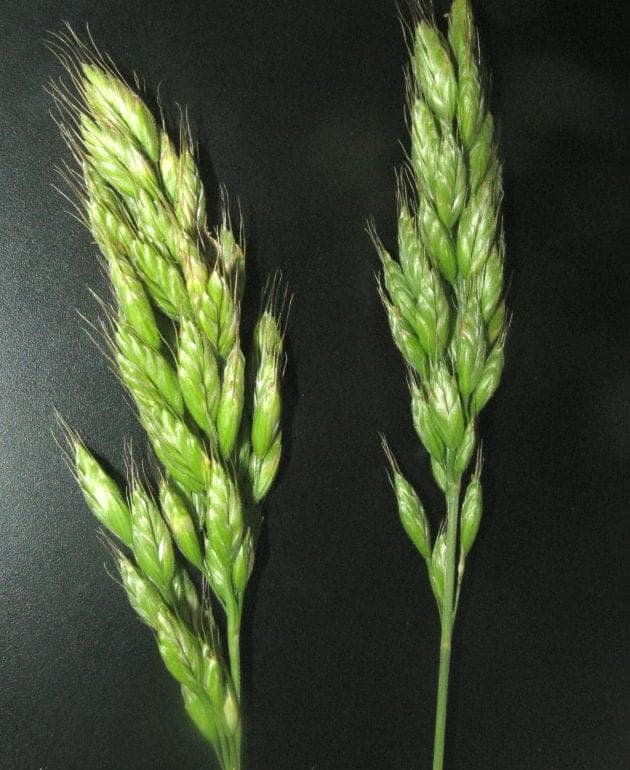
Gerhard Nitter / CC BY-SA 3.0, via Wikimedia Commons
Bromus grossus: complete guide
Bromus grossus
¿Quieres ver Bromus grossus: complete guide en tu jardín?
1 minuto, sin tarjeta de crédito
Overview
Bromus grossus, known as whiskered brome or thick brome, is an ornamental grass from Europe occurring in natural meadow and field environments. This grass is prized for its striking, heavy-hanging flower panicles appearing June-July. Reaching 40-80 cm in height, it's perfect for borders and natural gardens with an unpolished, architectural look.
Whiskered brome offers seasonal interest with its architectural plumes and is particularly valuable for gardeners seeking a natural, uncultivated aesthetic. This grass grows elegantly with minimal maintenance and combines well with other low-maintenance plant materials. The plant is also highly bird and insect-friendly.
Appearance and Bloom
Bromus grossus grows as an upright grass with narrow, grayish-green foliage hanging gracefully. The true attraction is the flower panicles: these are densely plume-like with drooping spikelets appearing heavy and full. Color varies from green to yellowish-brown at maturity, providing interesting color changes.
The flowering period runs June-July, with seed heads remaining interesting until late season. This grass dries well and can be used in dried flower arrangements and florals. The dry plumes can remain on the plant for months, providing winter interest. A mature plant can carry hundreds of plumes.
Ideal Location
Whiskered brome grows best in full sun to light partial shade. Provide at least 5-6 hours of direct sunlight. This grass is highly tolerant of various light situations and grows even in partial shade, though blooming is somewhat less overwhelming.
This grass is undemanding about location and combines well with other grasses and perennials in borders and wild gardens. Plant in groups of three to five for maximum effect. The grass is also suitable for gravel gardens, prairie-style gardens, and dry borders.
Soil
Bromus grossus has very moderate soil requirements. This grass grows well on standard garden soil, even poor or dry soils. Well-draining soil is preferred, but the grass tolerates moderately wet soil in winter due to its structure.
Add organic matter to improve poor soils, but this is not strictly necessary. This is a highly adaptable grass growing on practically any soil. The plant is also salt-tolerant.
Diseño gratis
¿Quieres ver Bromus grossus: complete guide en tu jardín? Crea un diseño gratis ahora.
Watering
Once established, this grass is extremely drought-tolerant and requires minimal attention. Watering is usually unnecessary once well-rooted after its first growing season. During very dry summers, sporadic water may help, but this is not essential.
Avoid waterlogged soil in winter, though the grass is reasonably tolerant of this too. This grass grows perfectly in rainy climates without issues.
Pruning
Pruning whiskered brome is simple and straightforward: cut all dead stems and foliage back to ground level in early spring. This promotes fresh growth and removes old material. The grass can also stand until late season for bird food and decorative effect in autumn and winter.
Maintenance Calendar
Spring: Cut back to ground level, no fertilizer needed. Remove all winter-dead material. Summer: Enjoy flowering and plumes. Monitor plant health. No maintenance required. Autumn: Leave standing for bird food and winter interest. Attractive brown/gold in late autumn. Winter: Can remain standing, cut only in early spring. Provides structure and interest.
Winter Hardiness
Bromus grossus is very winter hardy to at least -15 degrees Celsius and usually to -20. This grass thrives throughout Europe without winter protection needed. It's a completely hardy plant that is highly reliable.
Companion Plants
Whiskered brome combines beautifully with other ornamental grasses and perennials such as rudbeckia, sedum, and echinacea. Purple-foliaged companions (like bergenia or heuchera) create striking contrast effects. Pink perennials also work well with the yellow-brown of ripened bromus.
Closing Thoughts
Bromus grossus offers easy-to-maintain natural beauty. This grass is perfect for modern, natural gardens with minimal maintenance. Find it at local garden centers or nurseries specializing in ornamental grasses.
On gardenworld.app you can discover this grass in combination with other plant material and see how it works optimally in your garden plan.
On gardenworld.app you can also generate your own garden design with Bromus grossus and visualize how this beautiful grass manifests in your garden with seasonal changes.
¿Quieres ver Bromus grossus: complete guide en tu jardín? Crea un diseño gratis ahora.
Sube una foto, elige un estilo y obtén un diseño fotorrealista con lista de plantas en menos de un minuto.
Más de 10.000 jardines diseñados
Sin tarjeta de crédito


Plantas similares
Sporobolus pungens: complete guide
Sporobolus pungens
Sporobolus pungens is a stoloniferous Mediterranean coastal grass with outstanding salt and drought tolerance, perfect for seaside and dry gardens.
Mediterranean aegilops: complete guide
Aegilops biuncialis
Everything about Aegilops biuncialis, a Mediterranean annual grass with ornamental spikes and outstanding drought tolerance for dry gardens.
Silver bluestem: complete guide
Bothriochloa saccharoides
Full guide to Bothriochloa saccharoides (silver bluestem): site, soil, watering, winter hardiness, pruning, and garden companions.