
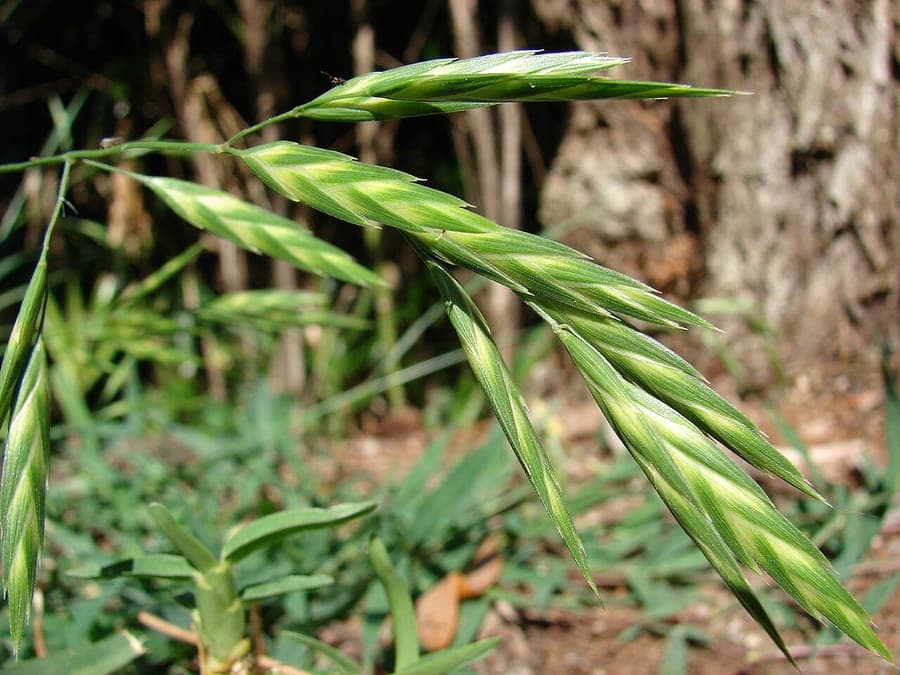
Forest & Kim Starr / CC BY 3.0, via Wikimedia Commons
Rescuegrass: complete guide
Bromus catharticus
¿Quieres ver Rescuegrass: complete guide en tu jardín?
1 minuto, sin tarjeta de crédito
Overview
The Rescuegrass, scientifically known as Bromus catharticus, is an important grass species in natural gardens and landscape planting. The plant contributes to the natural aesthetic of gardens and supports diverse wildlife species. With the rising importance of ecological garden design, this grass species is increasingly used in professional and private gardens.
Want a naturally-looking garden plan with grass species and wildflowers? On gardenworld.app you can request a personalized garden design that optimally integrates diverse grass species for a vibrant, ecological garden. This gives you a visually attractive result with ecological benefit.
Appearance & Bloom Cycle
This grass species grows as a dense mat formation with slender foliage reaching 40-60 centimeters tall. The plant flowers from May to August with typical grass panicles. Growth is relatively quick in spring and early summer, after which the plant stabilizes in its growth rhythm.
The ecological value of grass species cannot be underestimated: they provide food and habitat for numerous insects and birds.
Ideal Location
This grass species thrives best in full sun locations. Although the plant can tolerate some shade, it performs optimally with at least 4-5 hours of direct sunlight daily. This ensures the densest growth and most beautiful flowers.
Soil Requirements
The plant is not demanding and grows in both moderate and poor soils. This makes grass species economically efficient: you don't need to invest much in soil preparation. A pH between 5.5 and 7.0 is ideal.
Diseño gratis
¿Quieres ver Rescuegrass: complete guide en tu jardín? Crea un diseño gratis ahora.
Watering
After the plant is established (first 4 weeks), supplemental watering is usually unnecessary. This grass species is drought-tolerant and only needs additional water during extremely dry periods. This makes it perfect for sustainable, water-wise garden design.
Pruning & Maintenance
Grasses require minimal maintenance. Once per year in early spring (March-April) you can cut the plant back to about 10 centimeters height for new growth. This stimulates denser and healthier plant development.
Maintenance Calendar
- March-April: cut back to 10 centimeters
- May-June: full growth phase
- July-August: flowers appear
- September-October: seed ripens and plant dies back
- November-February: dormancy; no maintenance needed
Winter Hardiness
This grass species is fully winter hardy in the Netherlands and Belgium and survives cold without special protection. The plant remains present year-round and provides structure to your garden even in winter.
Companion Plants
Combine with other ecological plants such as various herbs, legumes, and other native greenery. The grass species forms a beautiful background for lower-growing flowering plants and helps showcase them.
In Closing
This grass species is an essential component of modern, sustainable gardens. With minimal maintenance and maximum ecological benefit, it's a logical choice for anyone wanting a vibrant, natural garden. Discover how this grass species transforms your garden into a green and ecological space.
Visit gardenworld.app to learn more about integrating grass species into your garden design. With our AI-powered garden planner, you can have a personalized design created that contains perfect plant combinations. Design your dream garden today on gardenworld.app.
¿Quieres ver Rescuegrass: complete guide en tu jardín? Crea un diseño gratis ahora.
Sube una foto, elige un estilo y obtén un diseño fotorrealista con lista de plantas en menos de un minuto.
Más de 10.000 jardines diseñados
Sin tarjeta de crédito


Plantas similares
Sporobolus pungens: complete guide
Sporobolus pungens
Sporobolus pungens is a stoloniferous Mediterranean coastal grass with outstanding salt and drought tolerance, perfect for seaside and dry gardens.
Mediterranean aegilops: complete guide
Aegilops biuncialis
Everything about Aegilops biuncialis, a Mediterranean annual grass with ornamental spikes and outstanding drought tolerance for dry gardens.
Silver bluestem: complete guide
Bothriochloa saccharoides
Full guide to Bothriochloa saccharoides (silver bluestem): site, soil, watering, winter hardiness, pruning, and garden companions.