
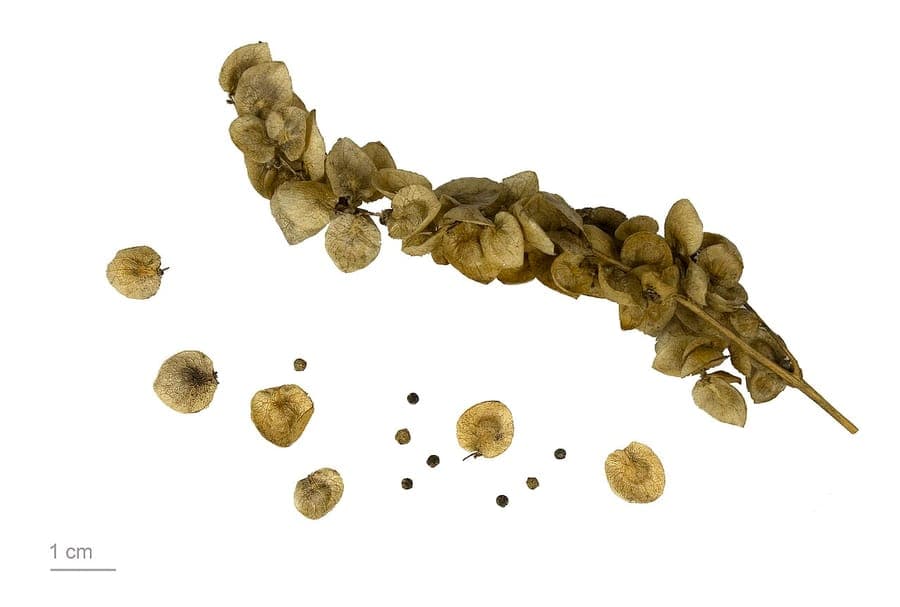
Roger Culos / CC BY-SA 3.0, via Wikimedia Commons
Garden Orache: complete guide for edible and ornamental greens
Atriplex hortensis
¿Quieres ver Garden Orache: complete guide for edible and ornamental greens en tu jardín?
1 minuto, sin tarjeta de crédito
Overview
Garden orache (Atriplex hortensis) is a versatile annual vegetable that serves equally well as ornament and food source. Native to Central Asia, this plant is renowned for rapid growth and spectacular leaf colour: cultivars appear in brilliant red, yellow, and vivid green. In contemporary gardens, garden orache is valued for culinary benefits and striking visual presence. Leaves are tender, nutty-flavoured, and highly nutritious.
Appearance and bloom cycle
Garden orache grows as an upright plant reaching 60-90 cm in height. Leaves are large, triangular to heart-shaped, and dramatically coloured depending on cultivar. Red varieties ('Rubra') display deep purple-red foliage, whilst yellow cultivars ('Lutea') glow golden. Green varieties remain classical and fresh. During summer, small inconspicuous flowers appear at shoot apices, followed by seed-like fruits. This entire developmental cycle proceeds rapidly: harvest-ready leaves are available within 6-8 weeks.
Ideal location
Garden orache performs best in sunny positions receiving at least four to six hours of direct sunlight daily. Full sun intensifies colour in red cultivars. The plant tolerates light dappled shade but develops less vigorously. Garden orache works effectively as focal point or grouping in kitchen gardens or containers, integrating beautifully as accent amongst flowering plantings. Colourful cultivars ornament whilst simultaneously providing food.
Soil requirements
Garden orache thrives in any reasonable garden or potting soil. The plant is undemanding, though it prefers moisture-retentive, fertile substrate. Amendment with compost improves structure and nutrient content. Neutral to slightly alkaline pH is optimal. Because garden orache grows rapidly, it benefits from feeding: incorporate compost into growth area or apply monthly fertiliser.
Watering
Garden orache prefers consistent, regular moisture. Keep soil moist but not waterlogged. During dry or hot periods, water daily, preferably early morning or evening. Mulching around plants with straw or leaf material conserves moisture and suppresses weeds. Drought stress makes foliage bitter. Potted specimens require daily checking during summer as containers dry rapidly.
Diseño gratis
¿Quieres ver Garden Orache: complete guide for edible and ornamental greens en tu jardín? Crea un diseño gratis ahora.
Pruning and maintenance
Garden orache requires no formal pruning, though removing shoot tips at 15-20 cm height encourages bushier growth and leaf production. Removing flower buds extends leaf harvest prior to seed set. Should you desire seed collection, allow some plants to flower fully. Weed regularly, particularly around juvenile plants.
Maintenance calendar
April-May: Direct sow or start indoors and transplant after frost. Regular watering as growth begins.
June-July: Peak growth. Daily watering during heat. Begin harvesting outer leaves.
August-September: Full harvest. Sow new seed for autumn re-crop in cooler regions.
October: Continue harvesting until first frost. In mild climates, second rapid crop possible.
November-March: Dormancy. Prepare for following season.
Winter hardiness
Garden orache is not frost-hardy. In all northern European climates it dies back at first frost. However, it is rapidly maturing: sow in April for summer harvest, or resow in July-August for autumn culture before first frost. In moderated winter regions, you may occasionally maintain an autumn crop until October-November.
Companion planting
Garden orache features in modern kitchen gardens through its colour and rapid harvestability:
- Spinach (similar moisture requirements)
- Lettuce (complementary height and colours)
- Cauliflower and broccoli (slower growers, red foliage contrasts effectively)
- Basil (aromatic and culinary pairing)
- Garden flowers such as zinnias and cosmos (colour companions)
Conclusion
Garden orache is perfect for gardeners seeking to please both eye and palate. Fast-growing, dramatically coloured, and nutritious: it delivers triple benefit. Using gardenworld.app, position garden orache in your kitchen garden to receive adequate sun and remain easily accessible for harvest. From seed to harvest in eight weeks: garden orache provides rapid success. Experiment with multiple colour forms for rainbow effects in your vegetable garden.
Available at major garden retailers across the UK and Europe.
¿Quieres ver Garden Orache: complete guide for edible and ornamental greens en tu jardín? Crea un diseño gratis ahora.
Sube una foto, elige un estilo y obtén un diseño fotorrealista con lista de plantas en menos de un minuto.
Más de 10.000 jardines diseñados
Sin tarjeta de crédito

