
Johan N / CC BY-SA 4.0, via Wikimedia Commons
Jupiter's-beard: complete guide
Anthyllis barba-jovis
¿Quieres ver Jupiter's-beard: complete guide en tu jardín?
1 minuto, sin tarjeta de crédito
Overview
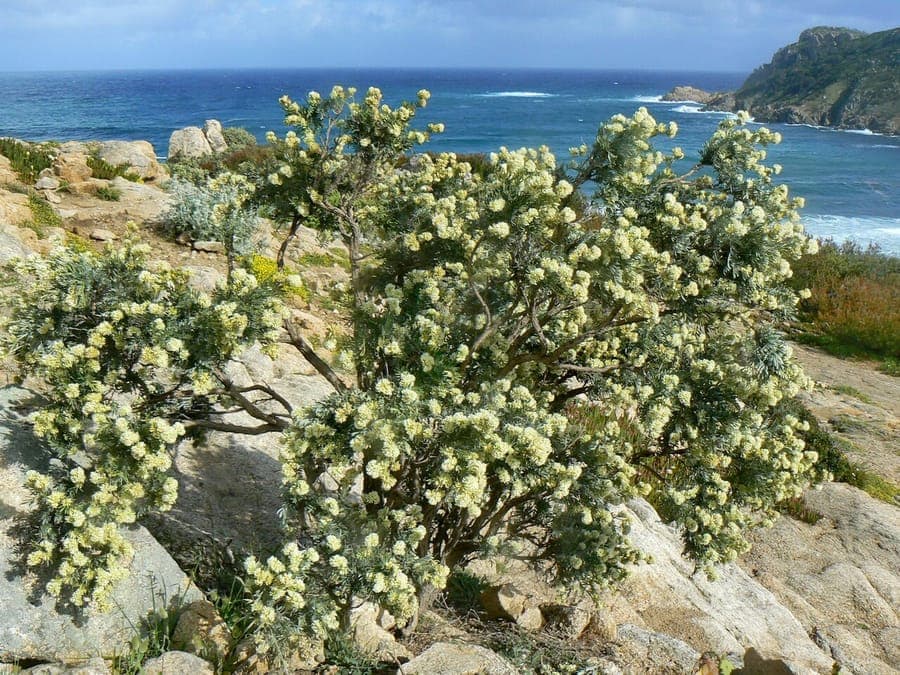
Anthyllis barba-jovis, commonly known as Jupiter's-beard, is a captivating shrub from the Fabaceae family (legumes or pea flowers). This Mediterranean plant is prized for its striking silvery-grey foliage and abundant golden-yellow flower clusters that bloom in May and June. Its native range spans Spain, Sicily, and North Africa, thriving in rocky, arid mountain terrain.
The plant is ideal for gardeners seeking a carefree, visually interesting shrub that tolerates drought and full sun. With silvery foliage and cheerful blooms, Jupiter's-beard adds Mediterranean charm and botanical interest to any garden corner.
Appearance & Bloom
Jupiter's-beard grows as a compact shrub with a gently rounded, organic silhouette. Its leaves are highly characteristic: small, finely pinnate (feathery), and covered with fine silvery-grey hairs that give the plant its distinctive soft, silvery appearance. This grey-toned foliage provides year-round visual interest and beautiful contrast with greener plantings.
Flowers appear in May and June in dense, golden-yellow clusters resembling tiny butterfly pea flowers (members of the legume family). These radiant golden hues create a cheerful, sun-kissed appearance during the blooming season. Following flowering, small seed pods develop, aging to brown and remaining ornamental through autumn.
Ideal Location
Jupiter's-beard is a sun-lover requiring minimum six to eight hours of direct sunlight daily. Place it in a warm, sunny spot where it can bask in full sun. This intensity stimulates maximal flowering and helps develop the aromatic oils naturally present in the foliage.
The plant works beautifully in rock gardens, xeriscapes, alpine troughs, and Mediterranean-themed gardens. Its compact growth habit (typically 60-100 cm tall) makes it suitable for large containers and sunny terrace plantings.
Soil
Jupiter's-beard is not fussy about soil type but prefers well-draining, even relatively poor soils. Heavy clay can be problematic; amend such soils generously with organic matter, sand, or perlite to improve drainage. Ideal soil pH ranges between 6.5 and 7 (neutral to slightly acidic).
The plant thrives even on rocky slopes, in gravel, or in very dry soils where many other plants would struggle. This makes it an excellent choice for challenging, dry locations throughout your garden.
Watering
Once established (after the first season), Jupiter's-beard is highly drought-tolerant. During the growing season (spring through early summer), water moderately; irrigate when the top centimeter of soil feels dry. Ensure water does not accumulate around the root zone.
During summer and autumn, reduce watering frequency. Mature, established plants rarely need supplemental water except during extended hot, dry periods. Excessive moisture can lead to root rot.
Diseño gratis
¿Quieres ver Jupiter's-beard: complete guide en tu jardín? Crea un diseño gratis ahora.
Pruning
Pruning is not essential but beneficial for maintaining shape and vigor. In early spring (March to April), perform light pruning to keep the shrub compact and full. Remove dead branches and excessive growth. You may also prune lightly after flowering (June to July), cutting back approximately one-third of new growth to encourage branching.
Allow the plant to retain its natural form; severe pruning can reduce flowering. Gentle shaping yields best results.
Maintenance Calendar
Feb-March: Light pruning for structure. Apply compost or organic soil amendment. April-May: Active growth begins. Monitor for pests (rare). Enjoy early flowers. June-July: Peak bloom. Prune lightly after flowering. Check moisture only during extreme drought. August-September: Growth slows. Minimal interventions. Collect seeds if desired. October-November: Plant enters dormancy. Minimal watering. December-January: Winter dormancy. No maintenance needed.
Winter Hardiness
Jupiter's-beard is hardy to approximately -10 to -15 degrees Celsius, depending on origin and growing conditions. In the UK, it survives most winters unprotected. During severe winters or in exposed locations, light mulching around the base provides insurance.
Ensure excellent soil drainage during winter; standing water poses greater risk than frost. Once established, this plant easily survives northern European winters.
Companion Planting
Jupiter's-beard combines beautifully with other Mediterranean, drought-tolerant plants:
- Lavender (Lavandula) - Similar water needs; purple flowers contrast nicely
- Opuntia and other cacti - Share identical dry, sunny preferences
- Rosemary - Same growing conditions; complementary architecture
- Santolina - Grey-toned foliage; yellow button flowers create cohesive planting
- Cistus (Rock Rose) - Mediterranean heritage; compact growth; abundant summer blooms
- Ornamental grasses like Festuca or Stipa - Texture and movement without water demands
Closing
Jupiter's-beard is a stellar choice for those seeking a Mediterranean, low-maintenance shrub. With silvery-grey foliage, cheerful golden blooms, and ultra-low water requirements, it's an investment that pays dividends year after year. Available at specialist garden centers or order online via gardenworld.app for expert guidance.
Perfect for xeriscaping, Mediterranean theme gardens, or simply as an attractive, no-fuss background plant. Once established, Jupiter's-beard becomes your silent partner in creating a beautiful, water-wise garden.
Your garden assignment: place Jupiter's-beard in the sunniest, driest spot you can find. You'll be amazed at how gratefully and generously this plant will grow, year after year, with minimal attention.
¿Quieres ver Jupiter's-beard: complete guide en tu jardín? Crea un diseño gratis ahora.
Sube una foto, elige un estilo y obtén un diseño fotorrealista con lista de plantas en menos de un minuto.
Más de 10.000 jardines diseñados
Sin tarjeta de crédito


Plantas similares
Tall Silky Lupine: complete guide
Lupinus elatus
Tall silky lupine is a fast-growing Californian perennial with silvery foliage and blue-purple flower spikes, ideal for a prairie-style garden.
Garfield Lupine: complete guide
Lupinus garfieldensis
The Garfield lupine is a rare, fast-growing American perennial for alkaline, dry grassland gardens, with striking blue flower spikes.
Lupinus elegans: complete guide
Lupinus elegans
Lupinus elegans, the elegant lupine, is a spectacular blooming plant from Mexico with blue flower spikes. Care, cultivation and garden use.