
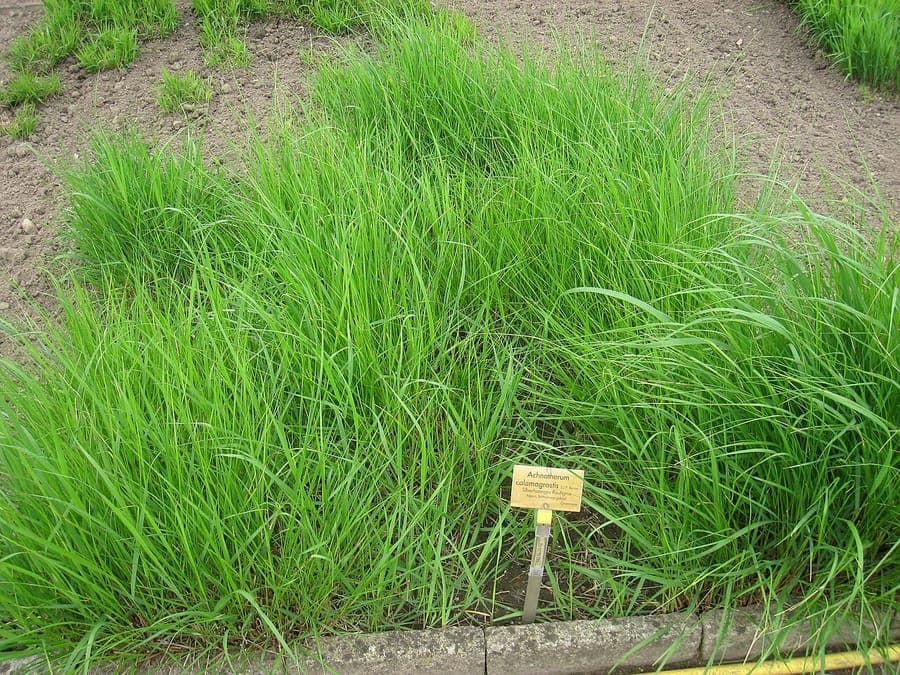
Daderot / Public domain, via Wikimedia Commons
Achnatherum calamagrostis: complete guide
Achnatherum calamagrostis
¿Quieres ver Achnatherum calamagrostis: complete guide en tu jardín?
1 minuto, sin tarjeta de crédito
Overview
Achnatherum calamagrostis, commonly known as Silver Spear Grass, Silver Hair Grass, or Pheasant Tail Grass, is a spectacular ornamental grass native to Europe and Asia. This elegant grass forms dense, undulating mounds with narrow, greenish-grey foliage that transitions to golden tones during summer. The true glory, however, lies in its silken, silver-white plumes that appear from May through August, providing unparalleled texture and movement to any landscape design.
Appearance & Bloom
Achnatherum calamagrostis forms compact, undulating clumps approximately 60-80 centimeters tall and equally broad. The foliage is narrow and grey-green in spring, gradually transitioning to golden-yellow as the season progresses. The true spectacle manifests in the inflorescence: elegant, silken plumes forming in loose panicles from May through August. Initially silver-white, these plumes gradually transition to gold as they mature. Being extremely light, they dance gracefully with even the gentlest breeze, creating constant movement and visual interest throughout the summer months.
Ideal Location
This grass thrives in full sun, requiring at least 6 hours of direct sunlight daily for optimal growth and flowering. Plant it in warm, sunny borders, on south or west-facing slopes, or as a structural element in contemporary gardens. It performs exceptionally well in dry, stony terrain. Avoid shade, where it will thin and lose its characteristic form and flowering ability.
Soil
Achnatherum calamagrostis performs best on well-draining, sandy or stony soil. It tolerates dry, poor soil and can even establish on very nutrient-poor ground. Rich, heavy soil can promote excessive growth and potential disease issues. Heavy clay soils should be amended with sand or gravel. Neutral to slightly acidic soils (pH 6-7.5) are ideal.
Watering
Once established, Achnatherum calamagrostis is extremely drought-tolerant and requires minimal supplemental water. Water regularly when first planted until the grass becomes established (first growing season). Thereafter, water can be significantly reduced or even eliminated in most climates. In arid regions or during extended drought, occasional deep watering is beneficial, but overwatering must be avoided as it promotes rot issues.
Diseño gratis
¿Quieres ver Achnatherum calamagrostis: complete guide en tu jardín? Crea un diseño gratis ahora.
Pruning
In early spring (March-April), before new growth begins, cut the grass back to approximately 10-15 centimeters in height. This removes all dead growth from the previous season and stimulates fresh, vigorous growth patterns. No further pruning is needed during the growing season. After autumn flowering, leave the grass standing for winter interest until spring cleanup.
Maintenance Calendar
Early Spring: Cut back to 10-15 cm height. Late Spring: New growth emerges. Summer: Enjoy flowering plumes; no maintenance needed. Fall: Leave standing for winter structure. Winter: Admire the architectural form. Early Spring: Prepare for annual cutback.
Winter Hardiness
Achnatherum calamagrostis is extremely hardy in temperate to cold climates, tolerating temperatures down to -15 degrees Celsius. In even colder regions with wet winters, ensure excellent drainage to prevent rotting. In very wet areas, raised beds may be necessary.
Companion Plants
This grass adds movement and texture alongside more static, flowering plants. Combine it with Nepeta (catmint), Salvia (sage), or pink Dianthus for color contrast. The silver plumes look spectacular against dark green foliage of Berberis or dark-leaved Ilex. Plant alongside red-foliaged plants like Photinia or Prunus cerasifera 'Nigra' for dramatic contrast. White-flowering plants like Cistus or Lavender also pair beautifully.
Closing
Achnatherum calamagrostis is an essential choice for those wishing to add movement, structure, and silken elegance to their landscape. With minimal maintenance and maximum impact, especially in dry locations, this spectacular grass perfectly fulfills the requirements of contemporary landscape design. You can find this grass at major garden centers throughout Northern Europe. For gardenworld.app designs with Mediterranean or contemporary aesthetic values, this grass is absolutely indispensable.
¿Quieres ver Achnatherum calamagrostis: complete guide en tu jardín? Crea un diseño gratis ahora.
Sube una foto, elige un estilo y obtén un diseño fotorrealista con lista de plantas en menos de un minuto.
Más de 10.000 jardines diseñados
Sin tarjeta de crédito


Plantas similares
Sporobolus pungens: complete guide
Sporobolus pungens
Sporobolus pungens is a stoloniferous Mediterranean coastal grass with outstanding salt and drought tolerance, perfect for seaside and dry gardens.
Mediterranean aegilops: complete guide
Aegilops biuncialis
Everything about Aegilops biuncialis, a Mediterranean annual grass with ornamental spikes and outstanding drought tolerance for dry gardens.
Silver bluestem: complete guide
Bothriochloa saccharoides
Full guide to Bothriochloa saccharoides (silver bluestem): site, soil, watering, winter hardiness, pruning, and garden companions.