
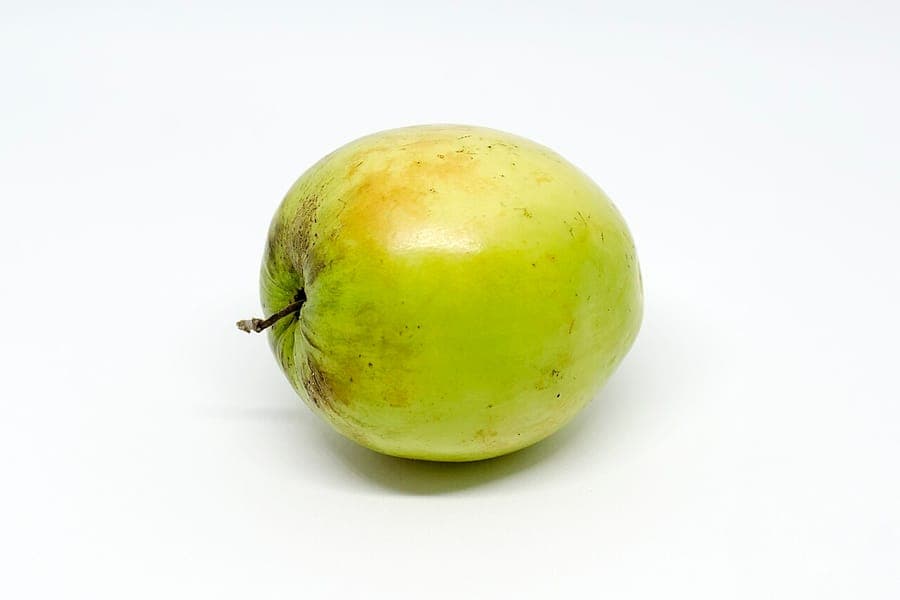
Augustus Binu : flickr / CC BY-SA 3.0, via Wikimedia Commons
Indian jujube: complete guide
Ziziphus mauritiana
Want to see Indian jujube: complete guide in your garden?
1 minute, no credit card
Overview
Ziziphus mauritiana, commonly known as the Indian jujube, Chinese apple, or Indian plum, is a small to medium-sized tree in the family Rhamnaceae. Its native range spans an impressive arc from West Africa and the Sahel savannah through the Arabian Peninsula, Iran, the Himalayan foothills, and into Southeast Asia. For thousands of years, local communities from Senegal to Sri Lanka have relied on this tree for food, shade, firewood, and traditional medicine. The fruits, known as 'ber' in India and 'sidr' in the Arab world, are among the most nutritious of all tropical fruits, with a vitamin C content up to five times that of an orange per 100 grams of fresh weight.
The genus Ziziphus contains around 40 species worldwide. Ziziphus mauritiana distinguishes itself by its glossy, ovate leaves, its tolerance for arid conditions, and its remarkably wide ecological range. As a garden plant in Europe, it attracts increasing interest from growers seeking exotic fruit trees and drought-resilient species. In areas with mild winters such as southern France, the Italian coast, or sheltered spots in southern England, the tree can be grown outdoors year-round. In colder northern European climates, it is most successfully cultivated as a container plant that is brought indoors for the winter months.
The name Ziziphus is thought to derive from the Arabic 'zizouf' or the ancient Greek 'zizyphon', a plant mentioned by the physician Dioscorides. The cultivar range is extensive: 'Gola', 'Umran', 'Seb', 'Kaithali', 'Jogia', and 'Thornless Wonder' are among the most widely grown. 'Gola' produces round, medium-sized fruits with crisp flesh; 'Umran' yields larger, elongated fruits of exceptional quality; 'Thornless Wonder' is preferred for container growing because of its manageable size and absence of spines.
Appearance & bloom cycle
Ziziphus mauritiana is a semi-deciduous to evergreen tree depending on climate. In its natural habitat it can reach 10–15 metres in height, but under cultivation, regular pruning and container growing keep it considerably more compact. The bark is grey-brown and becomes fissured with age. Young shoots are green and typically bear short, sharp spines of 0.5–2 cm, though spine-free cultivars are readily available.
The leaves are alternately arranged, ovate to elliptic, 2–7 cm long and 1.5–4 cm wide. The upper surface is shiny dark green; the underside is pale and slightly hairy. Three prominent veins run from the leaf base - a feature that immediately distinguishes Ziziphus from most other shrubs. Leaf drop occurs in response to cold or severe drought, but the tree rebounds quickly once conditions improve.
Flowering occurs between August and November in the northern hemisphere, though timing varies by region and cultivar. The flowers are small, yellow-green, and star-shaped, measuring only 3–5 mm across. They are carried in small axillary clusters and, while individually inconspicuous, produce a pleasant honey-like fragrance that attracts bees and other pollinators in large numbers. Most cultivars are self-fertile, though cross-pollination between two plants typically increases yields significantly.
After pollination, fruits develop over 90–120 days depending on cultivar and climate. The fruits are drupes 2–5 cm in diameter, spherical to oval in shape. They progress from green through yellow-green to orange-red and deep red when fully ripe. The flesh is white to cream-yellow, crunchy, and juicy with a sweet-tart flavour reminiscent of apple or Asian pear. Each fruit contains a single hard stone. Vitamin C levels are exceptional - fresh ripe fruits routinely contain 70–90 mg per 100 g, compared to 50 mg for a fresh orange.
Ideal location
Ziziphus mauritiana thrives in a full sun position receiving at least six hours of direct sunlight per day. It is a tree of tropical and subtropical climates with pronounced dry seasons, making heat no obstacle: temperatures exceeding 40 °C are tolerated without stress. Frost, however, is the primary limiting factor in European cultivation. Brief dips to -3 °C cause leaf damage; sustained temperatures of -6 °C or below typically kill the above-ground portions, though an established root system may survive under deep mulch at somewhat lower temperatures.
In the Netherlands, Belgium, and other northern European countries, the Indian jujube is therefore most reliably cultivated as a container plant. A bright, frost-free conservatory, a cool but frost-free garage with supplementary lighting, or a cool greenhouse are all suitable overwintering environments. Keep temperatures between 5 °C and 12 °C during dormancy; warmer temperatures will trigger premature growth before the plant can return outdoors.
For outdoor planting in favourable microclimates - south-facing walls, coastal spots with Atlantic influence, or city gardens with high thermal mass - the tree can be tried against a warm, sheltered boundary. Ensure excellent drainage and a position that catches maximum winter sun to keep the root zone as warm as possible. Good air circulation reduces the risk of fungal problems.
Soil requirements
One of Ziziphus mauritiana's most remarkable characteristics is its tolerance for a wide range of soil types. The tree grows on sandy loams, light clays, lateritic soils, and even mildly saline ground. It tolerates slightly acid soils down to pH 5.5, though the optimum range is pH 6.0–7.5. On strongly alkaline soils above pH 8.0, iron and manganese deficiencies may develop, showing as yellowing between the leaf veins.
For container cultivation, a well-draining mix of loam-based compost, well-rotted mature compost, and coarse horticultural grit in a 2:1:1 ratio works well. Good drainage is absolutely essential: Ziziphus roots do not tolerate waterlogging for even short periods. Use pots with generous drainage holes and add a 3–4 cm layer of horticultural grit or clay pebbles at the base. Container sizes of 40–60 litres are recommended for mature plants; repot every two to three years in early spring.
For garden planting, incorporate some well-rotted compost into the planting hole but avoid over-enriching the soil. On excessively fertile soil, the tree tends to produce vigorous vegetative growth at the expense of flowering and fruit production. Moderate fertility encourages sturdy wood and a generous crop.
Free design
Want to see Indian jujube: complete guide in your garden? Make a free design now.
Watering
Ziziphus mauritiana is naturally drought-tolerant thanks to its deep, extensive root system. Young plants establishing in their first growing season, however, require regular watering to develop properly. Water once or twice a week in dry, warm weather, reducing frequency during cool or cloudy spells. A useful guide: press your finger into the substrate to a depth of 5 cm; water only when this layer feels dry.
Container-grown plants dry out much faster than those in open ground, especially in summer heat. Check daily during warm periods. When watering, apply enough so that a small trickle runs from the drainage holes, ensuring the entire root ball is moistened. Allow the container to drain freely; never leave it standing in a saucer of water, as stagnant moisture promotes root rot.
During the winter rest period, reduce watering to an absolute minimum. The substrate should remain barely moist but never wet. Excess water during cold dormancy is the most common cause of loss in European-grown Ziziphus: cold, wet roots are vulnerable to both rot and frost damage.
Drip irrigation is an excellent choice for outdoor specimens in warm gardens, delivering water directly to the root zone without wetting the foliage, which reduces the risk of fungal leaf diseases.
Pruning
Pruning is central to successful Ziziphus mauritiana cultivation. The tree fruits on current-season wood, meaning that hard pruning in early spring stimulates vigorous new shoots and consequently a heavier crop in late summer and autumn. Prune in February to March before new growth begins, cutting all lateral shoots back to two to four buds above the previous season's framework wood.
Aim for an open crown structure that allows light and air to penetrate. For container plants, control height by cutting the central leader back to your preferred ceiling height - typically 1.2–1.8 metres - and encourage a broad, compact branching habit. Remove all dead, diseased, or crossing branches whenever they are spotted. In the first year after planting, light formative pruning helps establish a sound structural framework.
After the autumn harvest, a light shortening of the longest shoots before the tree moves indoors keeps the overall size manageable for winter storage. Use clean, sharp secateurs for smooth cuts. Wounds larger than 2 cm in diameter can be sealed with a horticultural wound treatment product to reduce the risk of fungal entry.
Maintenance calendar
January–February: Check the overwintering container plant for substrate moisture. Water sparingly. Inspect for spider mite infestations and treat with insecticidal soap if present.
March: Carry out the main pruning: cut all one-year-old lateral shoots back to two to four buds. Repot if necessary into a larger container. Apply a top dressing of well-rotted compost.
April–May: Move the container plant outdoors after the last frost date (mid-May in Belgium and the Netherlands). Begin regular watering. Apply a slow-release granular fertiliser with an NPK ratio of approximately 15-5-20 to support the growing season.
June–July: Apply a weekly liquid feed of a high-potassium fertiliser (tomato feed works well) to encourage flowering and fruit set. Monitor for aphids, spider mites, and thrips. Keep the area around the base of the tree free of weeds and mulch with straw or wood chips.
August–October: Flowering and fruiting period. Avoid spraying during flowering to protect pollinators. Harvest fruits when they turn yellow-green to orange-red and are still crisp. A second flush of fruits is possible if a second flowering wave occurs.
November: Reduce watering and bring the container plant indoors before the first forecast night frost. Lightly prune the plant before winter storage.
December: Store at 5–12 °C in a well-lit position. Check monthly for substrate moisture and pests.
Winter hardiness
Ziziphus mauritiana is not cold-hardy in northern European conditions. The tree tolerates brief frost events down to approximately -3 °C when it is dry and fully hardened, but regular overnight frosts damage young shoots and can kill above-ground growth down to the rootstock. The root system may survive temperatures of -5 °C under a deep mulch layer, but this represents a significant risk.
USDA hardiness zones 9–11 reflect its requirements. In Europe, outdoor cultivation in open ground is realistic only in the warmest microclimates of the Iberian Peninsula, Sicily, and the Canary Islands. Gardeners in coastal areas of southern England, the Channel Islands, or sheltered Belgian and Dutch garden hotspots may experiment successfully with container-grown trees summered outdoors and overwintered inside.
Practical advice: plan to bring container plants indoors by early October at the latest. An unexpected early frost in late October or November is a common cause of damage to plants left outside too long.
At gardenworld.app you can create a personalised garden design that incorporates exotic fruit trees and heat-loving plants like Ziziphus mauritiana alongside other compatible species.
Companion plants
In a conservatory or winter garden setting, Ziziphus mauritiana combines well with other warm-climate plants requiring similar care:
- Citrus species (Citrus limon, C. sinensis): similar light and water requirements, easily co-overwintered in a cool conservatory.
- Punica granatum (Pomegranate): slightly hardier (to -10 °C for established plants), beautiful in flower and fruit.
- Ficus carica (Fig): drought-tolerant, similar cultivation requirements, productive and ornamental.
- Leptospermum scoparium (New Zealand tea tree): compact shrub suitable as a companion container plant.
- Rosmarinus officinalis (Rosemary): excellent drought-tolerant garden companion.
In outdoor gardens in zones 9–10, Ziziphus combines beautifully with oleander (Nerium oleander), Bougainvillea, and Agave for a warm, Mediterranean atmosphere. The tree provides welcome afternoon shade for more sensitive plants beneath its canopy.
Conclusion
Ziziphus mauritiana is a rewarding and fascinating tree for gardeners curious about exotic fruit and drought-resilient species. Its tolerance for poor, dry soils, its extraordinary nutritional value, and the ornamental appeal of its glossy foliage and colourful fruits make it a worthwhile addition to any warm garden or large container collection. Container cultivation makes it accessible even in cooler northern European climates.
For more plant guides, garden design ideas, and inspiration for growing unusual species, visit gardenworld.app - your starting point for planning a beautiful and productive garden.
Want to see Indian jujube: complete guide in your garden? Make a free design now.
Upload a photo, pick a style, and get a photorealistic design with plant list in under a minute.
10,000+ gardens designed already
No credit card required


Similar plants
Point Reyes ceanothus: complete guide
Ceanothus gloriosus
The Point Reyes ceanothus is an evergreen Californian groundcover with blue flowers. Location, soil and pruning explained in detail.
Santa Barbara ceanothus: complete guide
Ceanothus impressus
Ceanothus impressus rewards a sunny wall with deep blue flowers in March-May. Location, soil, pruning and winter protection explained.
Redstem ceanothus: complete guide
Ceanothus sanguineus
Ceanothus sanguineus is a hardy, deciduous shrub with reddish stems and creamy white flower clusters in June. Care and companions.