
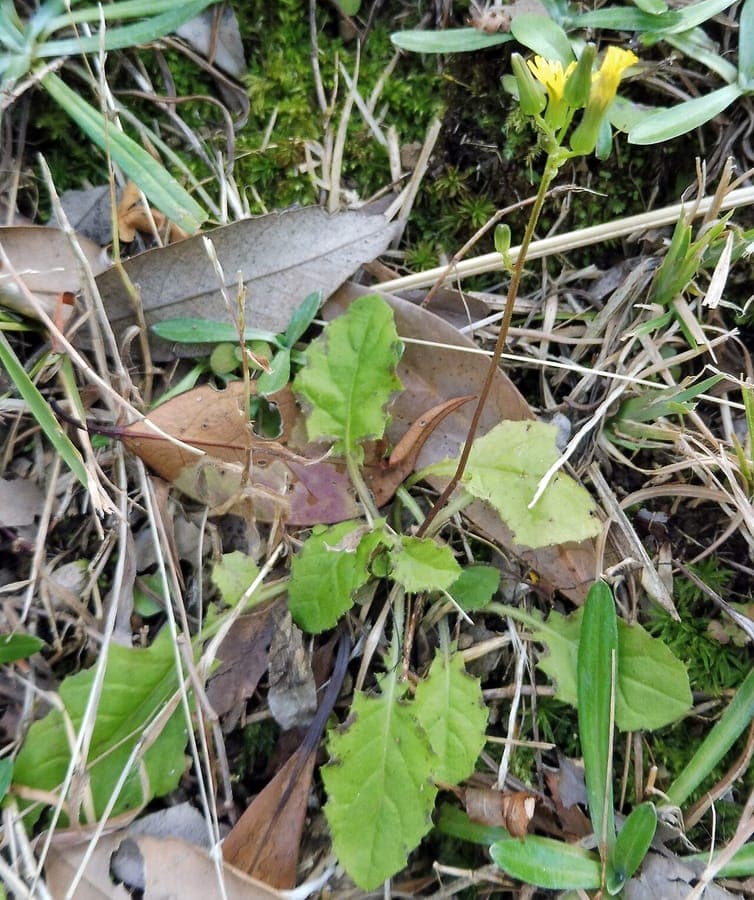
Mason Brock (Masebrock) / Public domain, via Wikimedia Commons
Youngia japonica: complete guide
Youngia japonica
Want to see Youngia japonica: complete guide in your garden?
1 minute, no credit card
Overview
Youngia japonica, commonly known as Oriental false hawksbeard, is a charming herbaceous plant native to tropical and subtropical regions of Asia. This plant belongs to the Asteraceae family, the same family as sunflowers and daisies. Youngia japonica is a versatile plant that thrives in both garden beds and containers.
The plant is known for its cheerful yellow flowers and elegant foliage. Though introduced to many parts of the world, it remains a wild plant in many regions, spreading along roadsides and in open fields.
Appearance and Bloom
Youngia japonica is an annual to short-lived perennial herb reaching about 30-90 centimeters in height. The plant has an upright stem with lance-shaped leaves growing densely along the stem. The foliage is green, sometimes with light reddish tinges.
The flowers are small, bright yellow, and appear in loose clusters at the plant's top. They bloom from late spring through fall, providing extended garden interest. The flowers are followed by characteristic dandelion-like seed heads.
Ideal Location
Youngia japonica thrives best in full sun, receiving at least 6 hours of direct sunlight daily. The plant can grow in partial shade but will be less robust and produce fewer flowers. A warm, well-lit location is ideal.
The plant can withstand wind and harsh weather conditions. Plant it in an open location where air circulates freely. This helps prevent diseases.
Soil
Youngia japonica is not particularly fussy about soil type. The plant grows in virtually any soil, from sandy to clay. What matters most is good drainage. A pH between 5.5 and 7.5 is suitable.
Although this plant doesn't require much feeding, it performs better in moderate fertility. Heavy, compacted soil should be improved by adding sand or compost.
Free design
Want to see Youngia japonica: complete guide in your garden? Make a free design now.
Watering
Youngia japonica is quite drought-tolerant once established. Young plants, however, need regular water until well rooted. Water when the soil feels slightly dry.
Excessive water can cause root rot. Ensure good drainage. In rainy seasons, supplemental water is often unnecessary. During very dry periods, extra water can improve flowering.
Pruning
Pruning is optional for Youngia japonica, but removing spent flowers encourages more blooms. This is called deadheading. Pinch off faded flowers before they set seed.
When the plant becomes too large, you can trim it back for a fuller form. However, this is not required. Many gardeners prefer to let this plant maintain its natural shape.
Maintenance Calendar
Spring (March-May): Sow seeds or plant seedlings. Ensure regular water. Provide adequate light.
Summer (June-August): Check water regularly. Remove spent flowers. Enjoy the yellow blooms.
Fall (September-October): Plant may self-seed. Leave some seed heads if you wish to collect seeds.
Winter (November-February): In cold zones, plant dies back. In warm zones, it can continue blooming.
Winter Hardiness
Youngia japonica is moderately frost-tolerant. In zones with mild winters, the plant can overwinter and grow again the following season. In colder zones, the plant dies back and must be reseeded.
In Mediterranean and subtropical zones, no protection is needed.
Companion Plants
Youngia japonica pairs well with other herbaceous flowers. Group together with other yellow-blooming plants for extra impact. Combine with blue- or purple-flowered plants for striking contrast.
The plant is highly attractive to butterflies and other pollinators. This makes it a valuable addition to a pollinator-friendly garden.
On gardenworld.app, discover more about flowering plants and garden design.
Closing
Youngia japonica is a simple, bird-friendly plant providing extended blooms with minimal maintenance. Perfect for gardeners wanting beautiful yellow flowers without fuss. Find more inspiration for your garden on gardenworld.app.
Want to see Youngia japonica: complete guide in your garden? Make a free design now.
Upload a photo, pick a style, and get a photorealistic design with plant list in under a minute.
No credit card required


Similar plants
Calendula stellata: complete guide
Calendula stellata
Complete guide to Calendula stellata, the star-flowered marigold from Sicily: location, soil, watering and companion planting tips.
Korean chrysanthemum: complete guide
Chrysanthemum x rubellum
Chrysanthemum x rubellum is a hardy autumn perennial with single pink to copper flowers from August to November. Care and combinations.
Helianthus divaricatus: complete guide
Helianthus divaricatus
Helianthus divaricatus is a North American woodland sunflower with yellow summer blooms, ideal for naturalistic borders and shady edges.