
Magnus Manske / CC BY-SA 3.0, via Wikimedia Commons
Verbascum densiflorum: complete guide
Verbascum densiflorum
Want to see Verbascum densiflorum: complete guide in your garden?
1 minute, no credit card
Overview
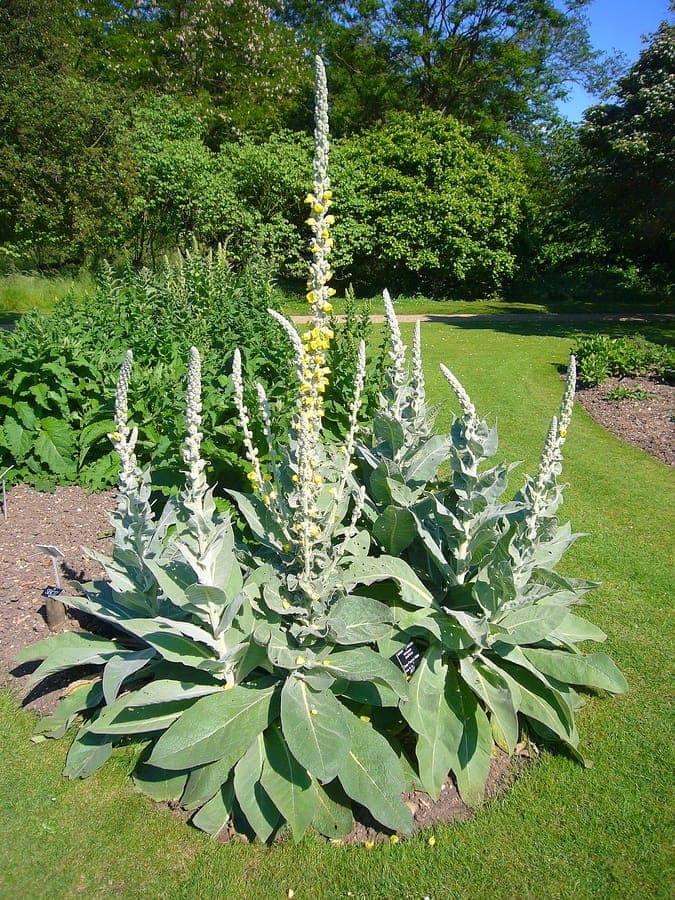
Verbascum densiflorum, commonly known as dense-flower mullein, is an impressive heritage plant with solidly packed, brilliant yellow flowers. This species distinguishes itself through exceptionally dense and full flower spikes that bloom from July through September. Native to Europe and the Caucasus, this biennial plant reaches up to one and a half meters tall and brings dramatic architectural presence to gardens.
Dense-flower mullein is renowned for its robustness and resilience. With its full flowering towers and abundant nectar and pollen, it becomes a magnet for bees, butterflies, and other pollinators. This makes it not only visually spectacular but also ecologically valuable.
Appearance & bloom
Verbascum densiflorum grows as a strong, upright plant reaching 100 to 150 centimeters in height. The leaves are coarse, gray-green, and covered with soft hairs giving a velvety appearance. Basal leaves form a dense rosette, while stems bear alternately arranged leaves.
Flowers are bright yellow and appear in extremely full, dense flower spikes on long, sturdy stems. This density distinguishes this species from related mullein varieties. The flowering period runs from June through September, peaking in July-August. The plant produces abundant nectar and pollen, nourishing dozens of pollinator species.
Ideal location
This plant thrives on fully sunny locations with minimum six hours direct sunlight. Verbascum densiflorum shows some tolerance for partial shade, though flowering becomes sparser. Choose a position with good air circulation to prevent disease.
Dense-flower mullein works excellently in dry borders, along garden walls, on slopes, or in naturalistic plantings. Its considerable height benefits from some wind protection, especially on very exposed sites. Avoid planting in areas prone to heavy winter waterlogging.
Soil
This heritage plant succeeds in nearly all soil types provided drainage is adequate. On heavy clay, incorporate sand or gravel to improve drainage. The plant tolerates lean soil well - indeed, excessive fertility promotes foliage at flowering's expense.
PH between 6.5 and 8.0 proves acceptable. Excessive winter moisture poses the greatest threat. Ensure good drainage by creating height or incorporating sand. In containers, a mixture of standard potting soil with 25-30% gravel works excellently.
Free design
Want to see Verbascum densiflorum: complete guide in your garden? Make a free design now.
Watering
Once established, Verbascum densiflorum needs little water. Water regularly during the growing first year. Thereafter, provide supplemental water only during extended dry periods.
In container culture, plants require more water since containers dry faster. Ensure water drains freely and no waterlogging occurs. A gravel mulch layer helps limit evaporation.
Pruning
Pruning is not strictly necessary. Remove spent flower spikes after blooming to curb excessive self-seeding and maintain appearance. Damaged or dead stems may be removed in early spring.
The plant grows organically without additional intervention. Those seeking denser growth may pinch the main stem in May, though this delays flowering by approximately two weeks.
Maintenance calendar
March-April: Sow seed in propagation trays or frost-free environment. May-June: Seedlings grow rapidly; transplant after frost risk passes. June-July: Vegetative growth; buds become visible. July-September: Rich peak flowering; minimal watering needed. October-November: Harvest seed; remove dead stems. December-February: Winter dormancy; prevent waterlogging.
Winter hardiness
Verbascum densiflorum shows moderate winter hardiness in zones 5-6 (-20 to -15 degrees Celsius). In the Netherlands and Belgium, it overwinters in most years without protection, especially on well-draining soil.
In harsh years or on moisture-rich sites, some winter protection may help, such as conifer boughs. Preventing stagnation matters more than frost prevention.
Companion plants
Verbascum densiflorum combines beautifully with:
- Lavender (Lavandula) - similar drought preference
- Yarrow (Achillea) - leaf texture contrast
- Alchemilla - light-catching, elegant form
- Catmint (Nepeta) - blue-violet color contrast
- Echinacea - shared pollinator appeal
Group three to five plants together in clusters for dramatic effect.
Closing
Dense-flower mullein is a heritage plant delivering much to sustainable gardens. With minimal maintenance, it provides years of yellow blooms nourishing dozens of insects. Most garden centers stock Verbascum seed regularly.
Explore gardenworld.app for designs featuring heritage plants and pollinator magnets. Gardenworld.app helps you build a magnificent garden attracting nature.
Want to see Verbascum densiflorum: complete guide in your garden? Make a free design now.
Upload a photo, pick a style, and get a photorealistic design with plant list in under a minute.
No credit card required


Similar plants
Verbascum chaixii: complete guide
Verbascum chaixii
Chaix's mullein with yellow flowers from Southern Europe. Learn cultivation tips, care advice, and stunning plant combinations for dry gardens.
Verbascum lychnitis: complete guide
Verbascum lychnitis
White mullein offers delicate white or creamy flowers in elegant spikes. A versatile heritage plant full of character for dry, subtle, natural gardens.
Verbascum nigrum: complete guide
Verbascum nigrum
Dark mullein has yellow flowers with distinctive dark stamens. An interesting heritage plant full of character for natural, dry gardens with European charm.