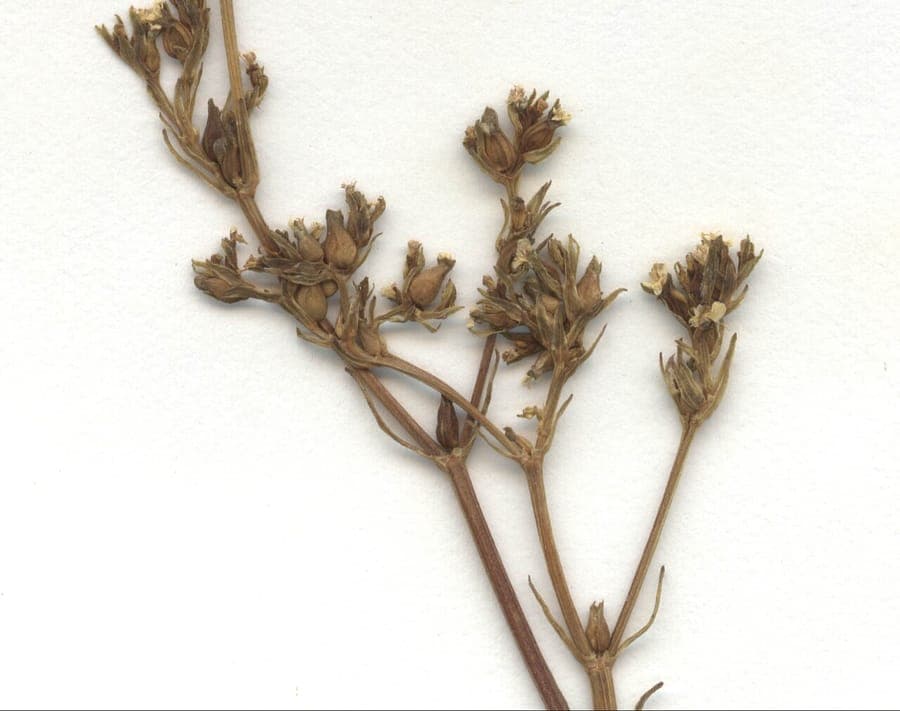
Wikimedia Commons / CC BY-SA 3.0, via Wikimedia Commons
Valerianella dentata: complete guide to toothed cornsalad
Valerianella dentata
Want to see Valerianella dentata: complete guide to toothed cornsalad in your garden?
Full design in HD: €7.99
Look after your Valerianella dentata with the GardenWorld app
Identify plants with your camera and get a care calendar with reminders for this plant.


Overview
Valerianella dentata, toothed cornsalad or narrow-fruited valerian, is a delicate winter-hardy salad plant from the Mediterranean regions of Europe. This refined plant grows low, forming loose rosettes of soft green, finely-ribbed edible leaves. Valued by gardeners who prefer foreground seeding over heavy lettuce plantings, Valerianella dentata delivers nutrition and garden satisfaction with minimal fuss.
Appearance and bloom
This plant forms low rosettes, typically 10-15cm tall, with slender upward-growing leaf stems. Leaves are lance-shaped to elliptical, 3-6cm long, finely toothed at edges (hence "dentata"). Leaf surfaces have fine ridging and soft green to yellowish colouration. Tiny, inconspicuous lilac to pink flowers appear in spring months on delicate, branched flower stems, followed by small seed-bearing fruits with distinctive toothed margins.
Ideal location
Valerianella dentata grows optimally in full sun to half-shade on workable, well-lit garden positions. Plant in front borders, herb gardens, vegetable beds or kitchen garden frames. Suitable for small front gardens as groundcover between other plants. Excellent in stone troughs and container planting on balconies or patios.
Soil
Prefers moderately fertile, well-draining soil with pH 6.0-7.0. Preparation through compost and rich organic matter aids moisture retention and nutrient content. In heavy clay, incorporate sand and organic material for structural improvement. This plant tolerates moderately poor soils but yields better in enriched conditions.
Watering
Keep soil moist, especially during establishment and growth periods. Regular watering (3-4 times weekly) during dry summers promotes rapid leaf growth and tender, succulent leaves. Winter growers water less but prevent complete drying. Extended waterlogging promotes disease; ensure good drainage. Mulching aids moisture retention.
Free preview
Want to see Valerianella dentata: complete guide to toothed cornsalad in your garden? Make a free preview of your design.
Pruning
Valerianella dentata requires no formal pruning. Harvest leaves by carefully lifting outer leaf clusters and cutting at ground level - this stimulates new growth. Flower buds on stems may be removed for continued leaf harvest (faster than seed maturation). Complete plant removal preferably at ground level helps future seeding cycles.
Maintenance calendar
August: Resow for autumn-winter growing. Prepare beds. September: First leaf harvest begins. Picking commences. October-November: Winter rest begins. Occasional harvesting continues. Frost protection if needed. December-February: Minimal activity. Careful harvesting. Winter dormancy. March: Spring emergence. Seed ripening. Plan next cycle. April-June: Seed maturation. Plan next sowing round.
Winter hardiness
Valerianella dentata is hardy to approximately -10 to -15 degrees Celsius. This is a winter vegetable preferring cold - it grows faster and tastes sweeter in cool seasons than summer heat. Severe frosts below -15 degrees may cause damage; protect with frames or small tunnels in harsh winters. In milder regions, overwintering is reliable.
Companion plants
Grow alongside other winter vegetables: Spinacia oleracea (spinach), Lactuca sativa winter varieties (winter lettuce), Raphanus sativus (radish), Solanum lycopersicum (cherry tomatoes). For colour accent: low Buxus borders, silvery-leaved herbs.
Closing
Valerianella dentata is more than food - it is pragmatic, low-maintenance choice for gardens valuing seasonal variation. This European heritage salad offers superior nutrition and taste to many commercial lettuce varieties. Perfect for winter planning: sow August-September, harvest October-March, enjoying fresh green salad through frost and snow. Source seeds from Intratuin, Gamma, or online seed suppliers.
Happy sowing!
Frequently asked questions about Valerianella dentata
Is Valerianella dentata winter hardy?
Valerianella dentata is hardy to approximately -10 to -15 degrees Celsius. This is a winter vegetable preferring cold - it grows faster and tastes sweeter in cool seasons than summer heat.
When and how do you prune Valerianella dentata?
Valerianella dentata requires no formal pruning. Harvest leaves by carefully lifting outer leaf clusters and cutting at ground level - this stimulates new growth.
How much water does Valerianella dentata need?
Keep soil moist, especially during establishment and growth periods. Regular watering (3-4 times weekly) during dry summers promotes rapid leaf growth and tender, succulent leaves.
Where does Valerianella dentata grow best?
Valerianella dentata grows optimally in full sun to half-shade on workable, well-lit garden positions. Plant in front borders, herb gardens, vegetable beds or kitchen garden frames.
What soil does Valerianella dentata need?
Prefers moderately fertile, well-draining soil with pH 6.0-7.0. Preparation through compost and rich organic matter aids moisture retention and nutrient content.

See it in your garden
See Valerianella dentata in your garden
One photo of your garden and a few questions. You see the result in about a minute.
Try it with a photoIdentify this plant in your own garden. Identify a plant
Similar plants
Glossy abelia: complete guide
Abelia × grandiflora
Everything about glossy abelia (Abelia × grandiflora): position, soil, pruning and hardiness of a shrub that flowers from July to October with scented white bells.
Seven-son flower (Heptacodium miconioides): complete guide
Heptacodium miconioides
Seven-son flower (Heptacodium miconioides): fragrant white flowers in September, red calyces in October and peeling bark. Site, soil, pruning and hardiness.
Macedonian scabious (Knautia macedonica): growing guide
Knautia macedonica
Grow Macedonian scabious (Knautia macedonica): sunny position, lean soil, deadheading for a long season and self-seeding. Wine-red pincushions for pollinators.
