Ivar Leidus / CC BY-SA 4.0, via Wikimedia Commons
Globeflower: complete guide
Trollius europaeus
Want to see Globeflower: complete guide in your garden?
Full design in HD: €7.99
Look after your Globeflower with the GardenWorld app
Identify plants with your camera and get a care calendar with reminders for this plant.


The European globeflower (Trollius europaeus) is a charming alpine flower that excels in moist garden areas. This robust plant brings yellow color to early spring.
Overview Globeflowers are frost-hardy and exceptionally winter-proof. They prefer moist soil and can grow excellently around water features. For gardeners with wet terrain, they offer a perfect solution.
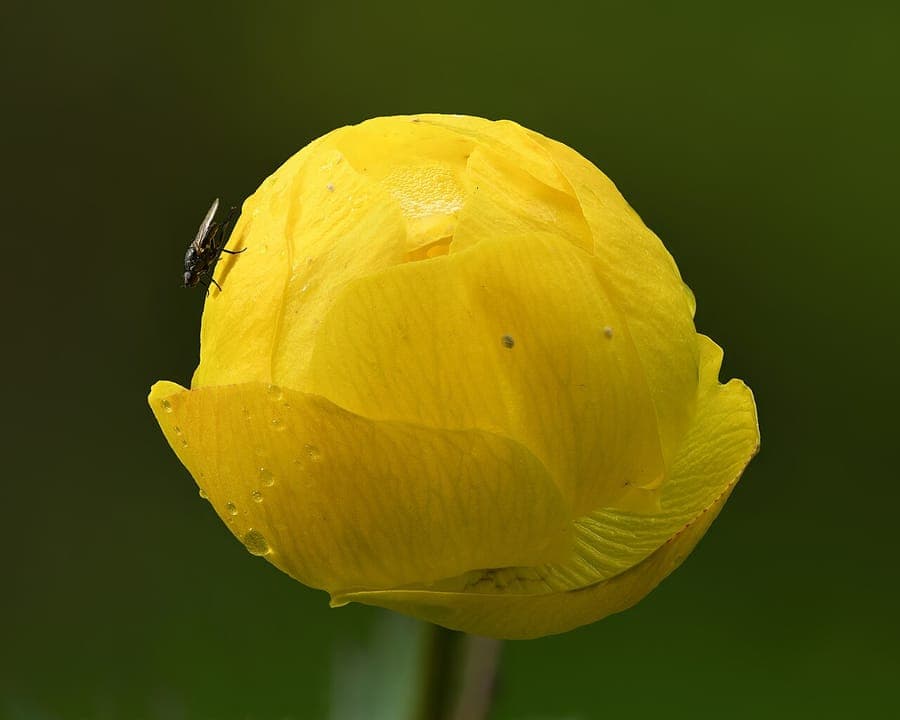
Appearance and bloom Plants reach 40-60 centimeters height with deep green leaves. Flowers are spherical, approximately 2-5 centimeters in diameter, and yellow. Flowering occurs from May to July. The glossy petals give a silky appearance.
Ideal location Choose partial shade to full sun, though they appreciate sunlight. Protection from hot afternoon sun is beneficial in warm climates. Plant along ponds, streams, or wet parts of the garden.
Soil Globeflowers prefer very moist to wet soil. Acidic to neutral pH (6.5-7.5) is ideal. Add plenty of organic matter. They tolerate poorer drainage than many other flowers.
Watering Water gently regularly. They prefer steadily moist soil without drying out. Mulch helps moisture retention. Water extra during dry seasons.
Pruning Remove spent flowers for repeated bloom. Cut back after flowering. In autumn you can remove dead foliage.
Maintenance calendar April: Spring care trigger - check water. May-July: Regular watering, support blooming. August: Height check. September: Fall preparation. October-March: Rest period with minimal care.
Winter hardiness Globeflowers are very frost-hardy and tolerate hard winters. They need no winter protection. Actually they feel better in colder climates.
Companion plants Perfect partners are other alpines like saxifrages and sedums. Moisture-loving hostas fit well. Avoid drought-tolerant partners that create moisture competition.
Closing Globeflowers bring early yellow color to your moist garden. Their robustness makes them reliable. Try them in your moist garden now!
On gardenworld.app you can find more information about alpine flowers. Visit gardenworld.app/blog for more plant guides.

See it in your garden
See Globeflower in your garden
One photo of your garden and a few questions. You see the result in about a minute.
Try it with a photoIdentify this plant in your own garden. Identify a plant
Similar plants
Chinese Aconite (Aconitum carmichaelii): complete guide
Aconitum carmichaelii
Everything about Chinese aconite (Aconitum carmichaelii): position, soil, pruning and care, plus clear advice on its severe toxicity to people and pets.
Bugbane (Actaea simplex): complete guide
Actaea simplex
Everything about bugbane (Actaea simplex): position, soil, pruning and hardiness of this shade-loving perennial with fragrant white spires in September and October.
Grecian windflower: complete guide
Anemone blanda
Everything about Grecian windflower (Anemone blanda): soaking and planting the tubers, position, soil, March to April flowering and naturalising. Tips for a blue carpet.
