
Jan-Herm Janßen / CC BY-SA 3.0, via Wikimedia Commons
Checkertree: complete guide
Torminalis glaberrima
Want to see Checkertree: complete guide in your garden?
1 minute, no credit card
Overview
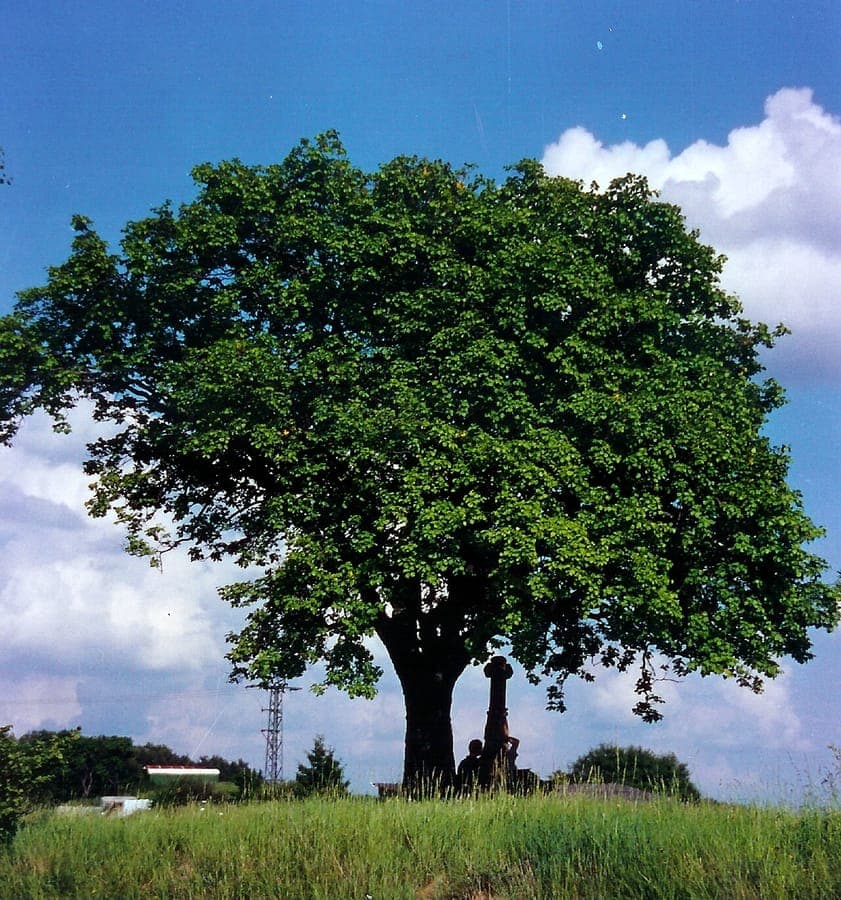
Checkertree (Torminalis glaberrima), also known as wild service-tree, is an elegant small tree belonging to the rose family (Rosaceae). This native European tree species occurs naturally from Europe through northern Iran and northwest Africa. The plant takes its common name from its distinctive appearance and its value as wildlife food.
It is a valuable element in natural and native gardens because it provides food and habitat for various bird species and insects. Trees are also prized for their ornamental appearance, with white spring flowers and colorful autumn berries. The foliage turns brilliant red to orange in fall.
Appearance and bloom cycle
Checkertree is a medium-height tree, usually 5-10 meters tall, with an attractive crown form. The leaves are small, serrated and finely cut, with dark green coloring. In spring, white flowers appear in loose clusters, typical of the rose family.
After flowering, small fruits form, approximately 8-12 mm in size, initially greenish, later turning red to orange-yellow. These berries are highly favored by birds and persist on the tree for extended periods. In autumn, foliage colors brilliantly red to orange, making the tree extra ornamental.
Flowering occurs in May, with fruit set from August-October.
Ideal location
Checkertree grows well in full sun to partial shade positions. The tree tolerates full shade less readily, though it can survive there. For optimal flowering and fruiting, sufficient sunlight is preferred.
This is an ideal tree for native gardens, mixed hedgerows, and shelter belts. Given its moderate growth rate, it fits well in medium-sized gardens and can serve as a specimen tree or as part of mixed hedges. The tree is highly suitable for wildlife gardens.
Soil requirements
The tree grows on diverse soil types, both acidic and neutral. Torminalis glaberrima has no specific soil preferences provided drainage is good. The tree can thrive excellently on poor, sandy soils but also does well on moderately fertile soils.
Good drainage is important; prolonged waterlogging is poorly tolerated. On heavier clay soils, ensure improved drainage or incorporate sand and compost.
Free design
Want to see Checkertree: complete guide in your garden? Make a free design now.
Watering
Once established, the tree is quite drought-tolerant and requires little supplementary water. Young trees in their first year, however, should receive regular water, especially during dry periods. Once well-rooted, rainwater usually suffices.
During very dry summers, supplementary water can accelerate growth, but the tree tolerates dry periods well. Excessive water can cause root rot.
Pruning
Checkertree naturally adopts an attractive crown form and requires little pruning. Dead or damaged wood can be removed. Formative pruning is unnecessary unless you wish to maintain a specific shape.
If you wish to use the tree as a hedge plant, you can prune it regularly to desired height and width. This promotes denser growth.
Maintenance calendar
March-April: Plant in open ground. Stake young trees for support. May: Flowering period; observe white flowers and insect visits. June-July: Growing period; water regularly during dry weather. August-October: Fruit set; birds visit to eat berries. November-December: Leaf fall; remove dead wood after winter frosts. January-February: Winter dormancy; pruning possible during mild spells.
Winter hardiness
Checkertree is completely winter-hardy in northern Europe. The tree tolerates freezing temperatures to minus 20 degrees Celsius without problems. This is a very suitable tree for temperate climates.
Young newly-planted trees may experience some frost damage to young shoots in severe winters, but this is usually minor and quickly recovers.
Companion plants
Checkertree combines well with other native shrub species such as hawthorn, rowan, dog-rose and willows. In mixed hedgerows or woodland-style plantings, it fits excellently. Hazel, holly and yew can also be planted beneath it.
In wildlife gardens, this tree is a top recommendation due to its food and nesting value.
Closing thoughts
Checkertree is an underappreciated, elegant native tree offering numerous benefits. With its refined foliage, white spring flowers, and bird food in autumn and winter, it substantially enhances garden biodiversity. Young trees are available from most garden centers. Visit gardenworld.app/en for more information about native trees and shrubs. Also create your own garden plan via gardenworld.app.
Want to see Checkertree: complete guide in your garden? Make a free design now.
Upload a photo, pick a style, and get a photorealistic design with plant list in under a minute.
No credit card required


Similar plants
Siberian crab apple: complete guide
Malus x robusta
Complete guide to the Siberian crab apple (Malus x robusta): location, soil, pruning, winter hardiness and the best companion plants for your garden.
Chinese flowering crabapple (Malus x spectabilis): complete guide
Malus x spectabilis
Meet the Chinese flowering crabapple (Malus x spectabilis): a classic spring bloomer with carmine buds and pink blossom.
Potentilla crassinervia: complete guide
Potentilla crassinervia
Potentilla crassinervia, the Corsican cinquefoil, grows wild on Corsica and Sardinia's peaks. Discover how to grow this hardy alpine rock garden gem.