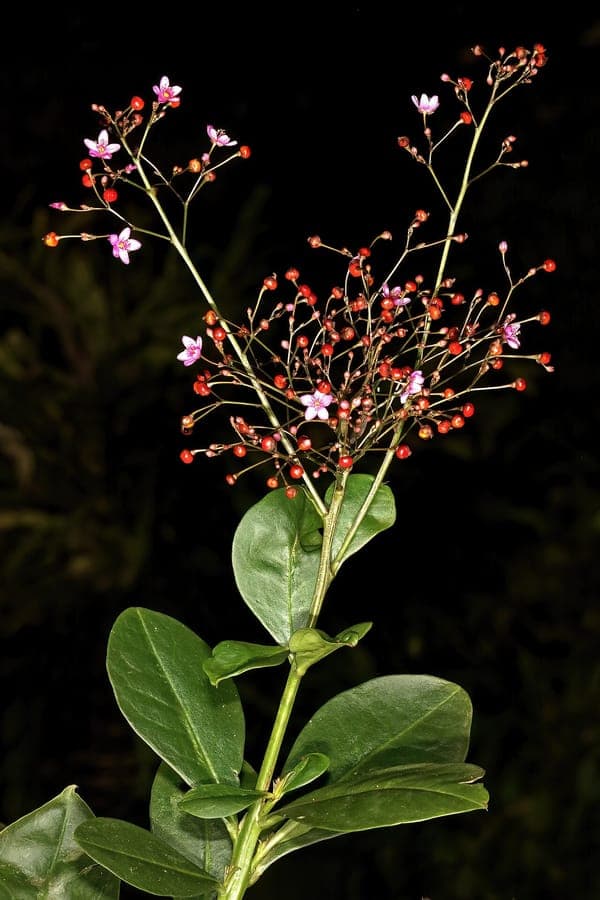
SAplants / CC BY-SA 4.0, via Wikimedia Commons
Fameflower: complete guide
Talinum paniculatum
Want to see Fameflower: complete guide in your garden?
Full design in HD: €7.99
Look after your Fameflower with the GardenWorld app
Identify plants with your camera and get a care calendar with reminders for this plant.


Overview
Fameflowers (Talinum paniculatum) are fascinating succulents native to tropical and subtropical regions of the Americas. Members of the Talinaceae family, they are renowned for their delicate, graceful appearance and charming pink or purple flowers that appear throughout the growing season.
These plants make perfect additions to container gardens and terraces. With their elegant branching structure and extended blooming periods, fameflowers bring exotic appeal to cooler climates. Though tropical in origin, they can be successfully cultivated in suitable conditions across temperate regions.
Appearance and bloom
Fameflowers typically grow 30 to 90 centimetres tall, depending on cultural conditions. The plant features thin, slender stems with small, fleshy leaves arranged gracefully. The overall habit is open and airy, appearing light and delicate.
Flowers appear in umbel-like panicles atop the stems, typically pink to purple in colour. These small flowers bloom abundantly throughout the growing season, especially during warm periods. Following bloom, seed pods develop and split to disperse seeds widely.
Ideal location
Fameflowers demand full sun for optimal growth and flowering. Site them in south-facing locations receiving 8 to 10 hours of direct daily sunlight. In very hot climates, light afternoon shade prevents leaf scorch.
They can also grow indoors under grow lights. Avoid shade, which produces leggy growth and reduced flowering.
Soil
Fameflowers require excellent-draining soil owing to their succulent nature. Use cactus or succulent potting mix. If making your own mix, combine one part loam with two parts grit or crushed stone.
Soil must never stay waterlogged. Add sand for extra drainage. A pH between 6.0 and 7.5 proves ideal.
Watering
Fameflowers are drought-tolerant and prefer dry conditions to wet. Water moderately during the growing season only when soil feels dry. Reduce watering dramatically in winter.
Ensure water drains completely. Never allow water to collect in saucers. Excessive moisture is the leading cause of plant failure. In tropical conditions, more frequent watering may be needed.
Free preview
Want to see Fameflower: complete guide in your garden? Make a free preview of your design.
Pruning
Fameflowers require minimal pruning. Remove dead or damaged stems. Pinch out growing tips to encourage bushier growth. Always use clean pruning tools.
Remove seed pods if you wish to prevent self-seeding, though these plants self-sow readily.
Maintenance calendar
Spring: Increase watering as growth resumes. Move containers outdoors after frost danger passes. Summer: Enjoy abundant flowering. Water sparingly. Add dilute fertilizer monthly. Autumn: Gradually reduce watering as temperatures decline. Move containers indoors before winter. Winter: Provide minimal water. Maintain temperatures above 10 degrees Celsius.
Winter hardiness
Fameflowers are not frost hardy. They cannot overwinter outdoors in temperate regions. Move them indoors for winter to bright, warm locations. Temperatures below 5 degrees cause damage.
In very mild southern climates, plants might survive outdoors with protection, but risks remain considerable.
Companion plants
Fameflowers pair well with:
- Other succulents such as Crassula and Echeveria
- Geraniums for contrasting foliage
- Mediterranean herbs like oregano
- Small ornamental grasses
- Other exotic container plants
They grow perfectly in mixed containers with other tropical specimens.
Closing
Fameflowers are captivating succulents that bring elegance and exotic charm to gardens and terraces. With their delicate appearance and extended bloom periods, they make ideal additions for those who appreciate unusual container plants. Though they require indoor overwintering, their maintenance is straightforward and rewards plentiful.
Find fameflowers at local garden centres or online specialists. For more container design inspiration, visit gardenworld.app for professional ideas. Gardenworld.app can also help with exotic plant combinations.
Frequently asked questions about Fameflower
Is Fameflower winter hardy?
Fameflowers are not frost hardy. They cannot overwinter outdoors in temperate regions.
When and how do you prune Fameflower?
Fameflowers require minimal pruning. Remove dead or damaged stems.
How much water does Fameflower need?
Fameflowers are drought-tolerant and prefer dry conditions to wet. Water moderately during the growing season only when soil feels dry.
Where does Fameflower grow best?
Fameflowers demand full sun for optimal growth and flowering. Site them in south-facing locations receiving 8 to 10 hours of direct daily sunlight.
What soil does Fameflower need?
Fameflowers require excellent-draining soil owing to their succulent nature. Use cactus or succulent potting mix.

See it in your garden
See Fameflower in your garden
One photo of your garden and a few questions. You see the result in about a minute.
Try it with a photoIdentify this plant in your own garden. Identify a plant
Similar plants
Glossy abelia: complete guide
Abelia × grandiflora
Everything about glossy abelia (Abelia × grandiflora): position, soil, pruning and hardiness of a shrub that flowers from July to October with scented white bells.
Trailing abutilon (Abutilon megapotamicum): care guide
Abutilon megapotamicum
Grow trailing abutilon (Abutilon megapotamicum) in a basket or against a wall: watering, feeding, pruning and overwintering for red and yellow lantern flowers.
Flowering maple (Abutilon): container shrub guide
Abutilon × hybridum
How to grow flowering maple (Abutilon × hybridum) in a pot: position, watering, feeding, March pruning and overwintering indoors for flowers from May to October.
