
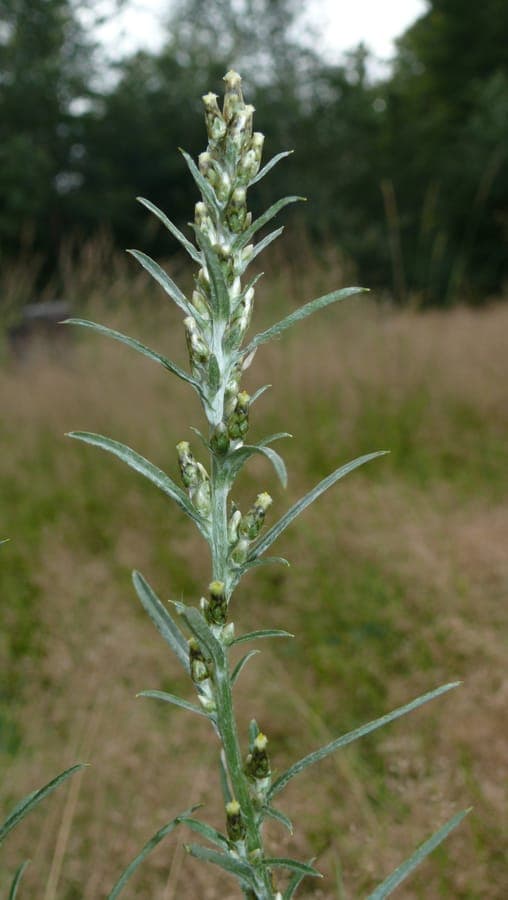
Bernd Haynold / CC BY 2.5, via Wikimedia Commons
Woodland cudweed: complete guide
Omalotheca sylvatica
Want to see Woodland cudweed: complete guide in your garden?
1 minute, no credit card
Overview
Woodland cudweed (Omalotheca sylvatica, formerly Gnaphalium sylvaticum) is a quietly attractive native plant from the aster family (Asteraceae) that grows naturally in open woodland, woodland edges, heathland margins, and lightly shaded sandy clearings across much of Europe, western Asia, and parts of North America. The plant belongs to a group of woolly-leaved herbs that thrive in nutrient-poor, slightly acidic conditions - the kind of thin, sandy or stony ground that most garden plants dislike. In a naturalistic garden, wildlife garden, or woodland edge planting, Omalotheca sylvatica brings a gentle, understated charm and genuine ecological value. Gardenworld.app features a range of naturalistic garden designs where species like this find their ideal context.
Appearance and bloom cycle
Omalotheca sylvatica is an erect herbaceous plant reaching 20 to 60 cm in height. The entire plant - stems, leaves, and flower buds - is clothed in a dense, soft, white to grey woolly coating that gives it a silvery, almost felted appearance. The leaves are narrow and lance-shaped, decreasing in size toward the top of the stem. The small flower heads are arranged in a slender, upright spike along the length of the stem - this gives the plant a characteristic wand-like silhouette. The flowers themselves are small and inconspicuous, brownish yellow, surrounded by papery brownish bracts. Flowering occurs in July and August. This is not a plant that draws attention through bold colour; rather, it contributes texture, movement, and a soft, natural quality to a planting. After flowering, fluffy seed heads extend the plant's visual interest into autumn.
Ideal location
Woodland cudweed prefers a light to partially shaded position. A woodland edge, the dappled shade under open-canopy trees, or the lightly shaded margin of a heathland planting are all ideal. The Trefle light rating of 7 out of 10 indicates a preference for reasonably bright conditions - brighter than deep woodland shade but sheltered from the intensity of full midday sun. In more open sites the plant does well provided the soil retains a little moisture. Avoid dense shade, where the plant becomes drawn and fails to flower well. In garden terms, think of the edge of a shrubbery, the transition zone between lawn and woodland, or a naturalistic meadow that includes light shade from scattered trees.
Soil requirements
This plant is a specialist of poor, slightly acidic soils. It is most at home on sandy, loamy, or stony ground with a pH between 5.0 and 5.5, low in nutrients and free from waterlogging. Rich, fertile garden soil actively works against this plant by allowing more competitive species to crowd it out. If your soil is too fertile, the best approach is to create a dedicated patch using a mix of topsoil and coarse sand, without added fertiliser. Do not lime the soil for this species - alkaline conditions are unsuitable. A mulch of pine needle compost, shredded birch leaves, or bark from conifers will help maintain the slightly acid surface conditions the plant prefers.
Watering
Woodland cudweed is a modest plant when it comes to water requirements. It thrives in conditions that are moderately dry to lightly moist - not waterlogged, not bone dry for extended periods. In a well-sited naturalistic planting it rarely needs supplementary watering once established. Newly sown or newly transplanted specimens benefit from careful watering during their first few weeks. After that, normal rainfall in a northwest European climate is usually more than sufficient. During exceptional dry spells (four or more weeks without meaningful rainfall) a careful drink helps, but avoid overwatering - wet feet in combination with heavy soil will quickly damage or kill this species.
Free design
Want to see Woodland cudweed: complete guide in your garden? Make a free design now.
Pruning
Woodland cudweed needs minimal intervention. The plant is annual or short-lived perennial; on suitable ground it self-seeds freely and renews itself without any help. Leave the spent stems with their fluffy seed heads standing through autumn and early winter - they are decorative and provide habitat for small invertebrates. Clear dead stems in early spring before new growth appears. If you want to limit self-seeding, simply remove stems before the seed fully ripens (before mid-September). Pulling out surplus seedlings by hand is the easiest way to manage population size. This is a plant where the best approach is to do as little as possible and let it find its own rhythm.
Maintenance calendar
January - February: Plant is dormant, either as overwintering seed or a small basal rosette. Leave undisturbed. A light leaf mulch helps if hard frost is prolonged.
March - April: New rosettes and seedlings emerge. Remove last year's dead stems if still present. No feeding - keep the soil poor.
May - June: Vegetative growth phase. Stems lengthen. Keep surrounding plants from getting too competitive. No fertiliser near this species.
July - August: Flowering period. Leave the plant entirely undisturbed. Enjoy the soft, woolly flower spikes.
September - October: Seed ripens and disperses. Collect seed if you want to sow elsewhere.
November - December: Plant dies back or persists as a small rosette. Leave dead stems for winter structure and insect habitat.
Winter hardiness
Woodland cudweed is fully hardy throughout northwest Europe. As a native plant across temperate Europe and northern Asia, it has evolved to handle cold winters without any protection. USDA zone 4 and above is within this plant's natural hardiness range - it is far more cold-tolerant than most garden perennials. No winter protection is needed. The main threat in a garden context is not frost but competition from more vigorous neighbouring plants and soil that is too rich. A well-maintained lean, acidic patch keeps the plant healthy across all seasons. For more ideas on building a garden that supports native plants through every season, visit gardenworld.app.
Companion plants
Woodland cudweed belongs with other plants of heathland, woodland edge, and open sandy habitats. Sheep's sorrel (Rumex acetosella) on the same sandy, slightly acid ground is a natural neighbour. Heath speedwell (Veronica officinalis) shares the preference for lightly acidic, nutrient-poor soils. Common hair-grass (Deschampsia flexuosa) adds fine texture nearby. Heather (Calluna vulgaris) is an ecologically appropriate companion and shares the preference for acid, lean conditions. Small-leaved periwinkle (Vinca minor) as a ground cover provides dark green contrast against the silvery stems. Avoid nitrogen-rich, competitive plants such as nettles, comfrey, or Alchemilla - they will quickly overwhelm this modest species. In a purposeful wildlife garden corner of even a few square metres, woodland cudweed contributes genuine value by supporting specialist insects and giving a patch its authentic botanical character.
Final thoughts
Woodland cudweed is not a plant for the showiest border, but it is exactly right for anyone interested in naturalistic or ecologically driven gardening. Its quiet presence, silvery stems, and willingness to self-seed in the right conditions make it a low-maintenance long-term resident of any woodland edge or heathland-inspired planting. Look for it at specialist native plant nurseries and wildflower suppliers. Seeds are sometimes available through botanical conservation projects. Once you have it in the right spot, it tends to look after itself with minimal help from you. For more ideas on designing with native and naturalistic plants, visit gardenworld.app.
Want to see Woodland cudweed: complete guide in your garden? Make a free design now.
Upload a photo, pick a style, and get a photorealistic design with plant list in under a minute.
10,000+ gardens designed already
No credit card required


Similar plants
Calendula stellata: complete guide
Calendula stellata
Complete guide to Calendula stellata, the star-flowered marigold from Sicily: location, soil, watering and companion planting tips.
Korean chrysanthemum: complete guide
Chrysanthemum x rubellum
Chrysanthemum x rubellum is a hardy autumn perennial with single pink to copper flowers from August to November. Care and combinations.
Helianthus divaricatus: complete guide
Helianthus divaricatus
Helianthus divaricatus is a North American woodland sunflower with yellow summer blooms, ideal for naturalistic borders and shady edges.