
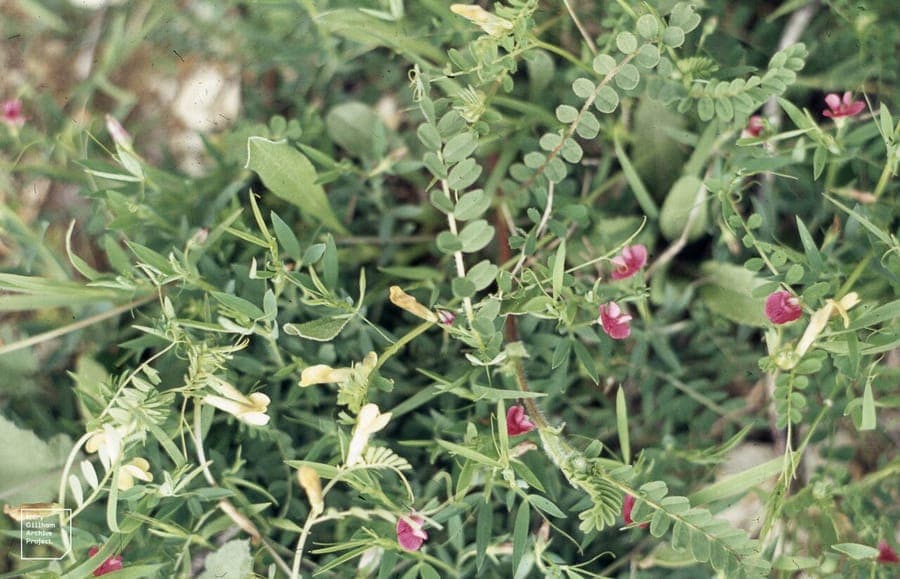
Dr Mary Gillham Archive Project / CC BY 2.0, via Wikimedia Commons
Lathyrus inconspicuus: complete guide
Lathyrus inconspicuus
Want to see Lathyrus inconspicuus: complete guide in your garden?
1 minute, no credit card
Overview
Lathyrus inconspicuus, commonly known as the inconspicuous pea or solitary-flowered pea, is a charming small plant from the Mediterranean region and Asia. The plant is known for its fine, compact growth and delicate purple flowers. Though it doesn't create a grand floral display, these delicate blooms add elegance and interest to alpine gardens, borders, and specialized plantings.
Appearance and Bloom
Lathyrus inconspicuus grows as a compact, low plant, typically only 20-40 centimeters tall. The plant produces fine, grass-like foliage and slender stems. The flowers are small but elegantly purple-violet, blooming in small clusters from May to July. Despite its name "inconspicuus" (inconspicuous), the flowers have a delicate, attractive appearance when viewed closely.
Ideal Location
This plant prefers full sun and well-drained locations. It thrives best in zones with bright daylight and minimal shade. Plant it in a sunny spot in your garden, preferably in a border or raised bed where it sits near eye-level so the delicate flowers can be better enjoyed. Alpine gardens offer ideal growing conditions.
Soil
Good drainage is essential for this plant. Sandy or gritty soils with relatively low fertility are preferred. Though Mediterranean, it can grow in more nutrient-rich soils provided drainage is good. pH can be acidic to neutral (6.0-7.5). Avoid heavy clay soils.
Watering
Once established, this plant is very drought-tolerant. Water regularly during the growing and blooming period (May-July), but reduce watering as foliage dies back in summer. This plant is adapted to dry summers and needs little water. Too much water can damage it.
Free design
Want to see Lathyrus inconspicuus: complete guide in your garden? Make a free design now.
Pruning
Pruning is minimal. Dead flower stems can be removed after blooming for neat appearance. Foliage will naturally die back in summer, which is normal. Remove wilted leaves if desired. Seeds can mature for next season if you wish for self-seeding.
Maintenance Calendar
Fall/early winter (October-November): Plant seeds or seedlings. Early spring (March-April): First growth appears. May-July: Water during dry spells, enjoy blooms. Summer (July-August): Foliage dies back, normal. Fall (September): Prepare for next season.
Winter Hardiness
Lathyrus inconspicuus is moderately hardy for zones 6-9 (minimum temperature to -23 degrees Celsius). In much of Europe it can survive outdoors in mild winters, but in very cold regions it survives better when protected or grown annually from seed. In cold climates, treat it as an annual.
Companion Plants
This small plant combines well with alpine garden plants and other Mediterranean dwarf herbs. Combine with Sedum species, Sempervivum, and other hardy-soft material. In borders it fits well between larger structural plants.
Closing Remarks
Lathyrus inconspicuus offers elegance and interest for those preferring a finer plant palette. With its small purple flowers and preference for dry, sunny locations, it's ideal for alpine gardens. Plant it in well-drained soil, water until flowering, and let it take care of itself afterward. Available at quality garden centers where advisors can help select complementary alpine garden plants. For more alpine garden design tips, visit gardenworld.app!
Want to see Lathyrus inconspicuus: complete guide in your garden? Make a free design now.
Upload a photo, pick a style, and get a photorealistic design with plant list in under a minute.
No credit card required

