
Bernd Sauerwein / CC BY-SA 3.0, via Wikimedia Commons
Hedera canariensis: complete guide
Hedera canariensis
Want to see Hedera canariensis: complete guide in your garden?
1 minute, no credit card
Overview
Hedera canariensis, known as Canary Island ivy or Madeira ivy, is an elegant evergreen climber from the Araliaceae family. This impressive, vigorously growing plant originates from the Canary Islands and has spread throughout Europe. With its large, glossy leaves and impressive growth, it's a favorite for gardenworld.app designs, including wall coverings and vertical gardens.
Appearance and Growth
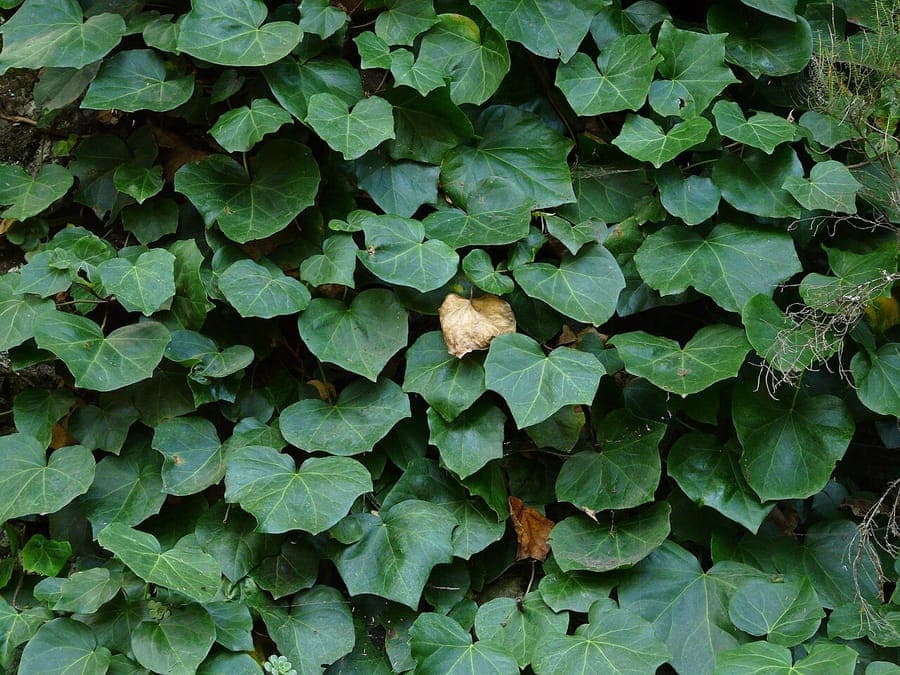
Hedera canariensis distinguishes itself through notably larger leaves than common ivy (Hedera helix), reaching 10-15 cm in length. Leaves are tri-lobed, glossy green with striking lighter-colored veins. The plant grows at a moderate to fast rate, reaching 3-5 meters or more in ideal conditions. Growth is stoloniferous, meaning it forms dense, supporting mats.
Hedera canariensis is evergreen, meaning it retains its leaves year-round for year-long winter visibility in gardenworld.app projects.
Ideal Location
Canary Island ivy grows best in partial shade to full shade, with at least some indirect light. While it tolerates full sun (better than many shade plants), it prefers shaded locations, especially in hotter regions. Protect from strong gusts that may cause leaf damage. For gardenworld.app designs, it offers excellent choice for shaded walls.
Soil
Hedera canariensis is flexible regarding soil type. It thrives in well-draining, humus-rich soil with pH 5.5-6.5. Heavy clay can work provided drainage is present. Work organic material into soil before planting. The plant is relatively salt-tolerant, according to Trefle data with soil_salinity 2, making it suitable for coastal applications in gardenworld.app projects.
Watering
Consistent watering during the first year is crucial for establishing a strong root system. Water deeply and regularly, but ensure soil doesn't become waterlogged. Once established, it's relatively drought-tolerant. During dry periods, provide supplemental water. In gardenworld.app designs, established specimens can survive months without supplemental water.
Free design
Want to see Hedera canariensis: complete guide in your garden? Make a free design now.
Pruning and Maintenance
Hedera canariensis responds well to pruning and can be cut back firmly to maintain form. Prune in spring (March-April) to control rampant growth. Remove dead or damaged branches visibly. If growing from walls, biweekly pruning can help manage overhang. In gardenworld.app projects, the growing presence of ivy on building facades can be stunning.
Maintenance Calendar
March-April: Prune for form. Plant young specimens.
May-July: Monitor growth. Ensure adequate water.
August-September: Reduce water as season declines.
October-February: Minimal maintenance. Protect against heavy frost.
Winter Hardiness
Hedera canariensis is less hardy than common ivy. It's hardy to approximately -10°C (14°F), meaning it may die back annually in many gardenworld.app regions. In the Netherlands and Belgium, protect against extreme frosts or plant in protected microclimates. In southern France, it can overwinter outdoors. Replanting is possible after heavy freeze damage.
Companion Plants
Using Canary Island ivy in gardenworld.app designs:
- Fatsia: Large leaves complement each other beautifully
- Acer palmatum: Fine leaf structure contrasts nicely
- Buxus: Formal underplanting beneath ivy
- Heuchera: Colored foliage lights up shade
- Ferns: Partner ivy in moisture-loving, shady corners
Closing
Hedera canariensis offers dramatic vertical greenery for gardenworld.app designs with its large, glossy leaves and impressive, rapid growth. Though less cold-hardy than common ivy in northern climates, it performs exceptionally well in protected microsites and southern regions. Plant it for wall coverings, pergola clothing, or as a bold specimen in containers. With regular pruning and proper placement in partial shade, you'll enjoy an impressive, evergreen climber that transforms your gardenworld.app garden.
Want to see Hedera canariensis: complete guide in your garden? Make a free design now.
Upload a photo, pick a style, and get a photorealistic design with plant list in under a minute.
No credit card required


Similar plants
Helianthemum nummularium: complete guide
Helianthemum nummularium
Guide to common rockrose: cultivation, blooming, hardiness and tips for gardenworld.app rock gardens
Gypsophila vaccaria: complete guide
Gypsophila vaccaria
Discover cow cockle: cultivation guide with bloom times, soil needs, care and tips for gardenworld.app