
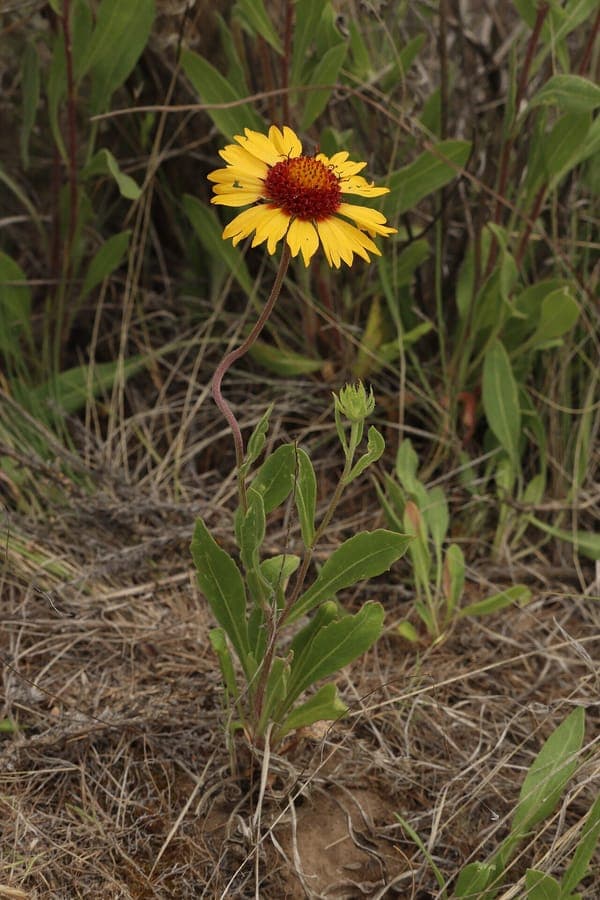
Walter Siegmund (talk) / CC BY-SA 4.0, via Wikimedia Commons
Gaillardia aristata: complete guide
Gaillardia aristata
Want to see Gaillardia aristata: complete guide in your garden?
1 minute, no credit card
Overview
Gaillardia aristata, known as great blanket-flower or common gaillardia, is a stunning perennial plant from the Asteraceae family. With its striking red-yellow flower heads and extended blooming season, this North American native plant is an absolute classic in modern garden designs. The plant thrives in dry, sunny locations and demands minimal maintenance once established. It produces months of continuous flowers and attracts bees and butterflies like a magnet. This is the ultimate choice for gardeners who want their gardens teeming with insect visitors and colour.
Appearance and Blooming Period
Gaillardia aristata forms compact, tufted plants approximately 60-90 centimetres tall. The foliage is hairy and displays coarse green coloration. The flowers are the real stars: large, semi-double blooms 5-8 centimetres across in warm red-yellow colour combinations. The red flower portions form central discs surrounded by yellow ray florets, creating a warm, inviting effect. From June through October (sometimes into November in warmer years), flowers appear continuously, especially if you remove spent blooms. This is certainly a plant attracting thousands of bees and butterflies.
Ideal Location
Choose a location with full sunlight - at least 6 to 8 hours of direct sun daily is ideal. Gaillardia aristata thrives in full sun and blooms most abundantly in bright conditions. The plant tolerates shade poorly and flowers sparsely there. This is an excellent plant for hot, sunny situations where many other plants struggle. The plant tolerates wind well and performs beautifully in exposed gardens. Ensure good air circulation to prevent fungal diseases that thrive in humid conditions.
Soil Requirements
Gaillardia aristata is extremely tolerant of soil types and actually performs better in poor, well-draining soil than rich substrates. Sandy, gravelly, and lean soils are actually ideal. Heavy clay and waterlogging are absolutely fatal to this plant. Add sand or gravel if you have heavy soil. The plant tolerates various pH values from 5.5 to 7.9. Avoid rich feeding as this promotes excessive foliage at the expense of flowers. The plant actually thrives best in poor soils.
Free design
Want to see Gaillardia aristata: complete guide in your garden? Make a free design now.
Watering
Once established, Gaillardia aristata is a drought-lover requiring minimal supplemental water. In normal rainfall, it grows perfectly without additional irrigation. Only during extended dry periods (more than 3-4 weeks without rain) should you water. Water at the base, not over foliage, to prevent fungal diseases. Excessive moisture, particularly in wet winters, can cause root rot. Better dry and healthy than wet and diseased.
Pruning
Regularly remove spent flowers (deadheading) to encourage continuous blooming. This is the best way to extend flowering into October or later. Cut about 15 centimetres below the spent blooms. In autumn, after flowering ceases, cut plants back to approximately 15 centimetres height. This helps them emerge more vigorously in spring. Avoid heavy pruning as the plant recovers slowly from drastic cuts.
Maintenance Calendar
In spring (April), remove dead sections from previous year and lightly feed. In May, growth accelerates and you may add support stakes if needed. From June-October, perform regular deadheading for continuous blooms. Check for caterpillars and aphids. In November-December perform autumn cleanup. In January-March remove dead top growth.
Winter Hardiness
Gaillardia aristata is hardy to USDA zone 3 (-40 to -35°C), making it fully hardy in the UK, Europe and many cooler climates. The plant tolerates snow and ice without difficulty. In extremely severe winters, problems may occur if the plant becomes waterlogged, so good drainage is essential. Plant in well-draining soil for best results. This is a plant that returns reliably year after year.
Companion Plants
Gaillardia aristata combines beautifully with other sun-lovers and drought-tolerant plants. It looks stunning alongside softer plants like geranium, salvia and meadow rue. Its fine texture contrasts well with larger, architectural plants. In mixed borders it thrives next to other flowering perennials. In cottage gardens it works well with aromatic herbs. It attracts bees and butterflies so place it near other nectar plants for maximum pollinator activity.
Conclusion
Gaillardia aristata is a classic perennial that improves any garden. With its warm, inviting colours and endless blooms, it is perfect for gardeners wanting their gardens to teem with life. This is a plant providing years of pleasure with minimal maintenance and maximum rewards in flowers and insect visitors. Available at garden centres. Need more information? Visit gardenworld.app for expert advice or browse gardenworld.app for design inspiration.
Want to see Gaillardia aristata: complete guide in your garden? Make a free design now.
Upload a photo, pick a style, and get a photorealistic design with plant list in under a minute.
No credit card required


Similar plants
Calendula stellata: complete guide
Calendula stellata
Complete guide to Calendula stellata, the star-flowered marigold from Sicily: location, soil, watering and companion planting tips.
Korean chrysanthemum: complete guide
Chrysanthemum x rubellum
Chrysanthemum x rubellum is a hardy autumn perennial with single pink to copper flowers from August to November. Care and combinations.
Helianthus divaricatus: complete guide
Helianthus divaricatus
Helianthus divaricatus is a North American woodland sunflower with yellow summer blooms, ideal for naturalistic borders and shady edges.