
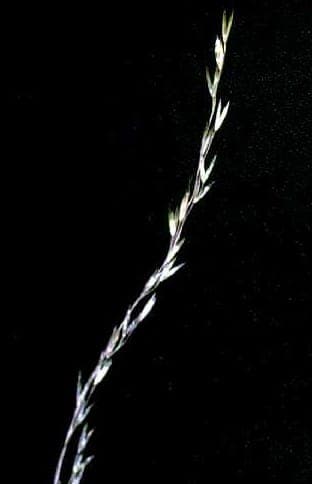
Robert H. Mohlenbrock / Public domain, via Wikimedia Commons
Slender hairgrass: complete guide
Deschampsia elongata
Want to see Slender hairgrass: complete guide in your garden?
1 minute, no credit card
Overview
Deschampsia elongata, commonly known as slender hairgrass, is a graceful, fine-textured grass native to western North America - from Alaska south through California and the Rocky Mountain states to Mexico - with populations also found in southern South America. It belongs to the family Poaceae and was formally described by Munro in 1857, based on material collected by Hooker.
Compared to the better-known tufted hairgrass (Deschampsia cespitosa), this species is narrower in all its parts: finer leaves, slimmer culms, and more elongated panicles - hence the name elongata. In garden use, this slenderness is an advantage: the plant moves beautifully in even slight breezes and integrates naturally into layered planting schemes without dominating. At gardenworld.app you can explore garden designs where fine-textured grasses like this one play a key role alongside flowering perennials.
In European gardens it remains uncommon, but specialist nurseries and native plant growers increasingly stock it as interest in naturalistic planting grows.
Appearance and Bloom Cycle
Slender hairgrass forms loose, open tufts 30 to 80 cm tall depending on conditions. The leaves are very narrow - almost needle-like - and deep green, creating a see-through base that never feels heavy. Culms are thin and upright, rising well above the foliage.
The inflorescences are the highlight: long, spreading panicles that are exceptionally airy and delicate, initially green-yellow in colour, ripening to beige-tan. Flowering occurs from June through August in most climates. After seeding, the dried panicles persist for weeks, catching low light and swaying in the wind. The overall texture is extremely fine, contributing movement and translucency to planting compositions.
The plant spreads by seed but is not aggressively invasive. In autumn, foliage turns soft yellow before dying back for winter.
Ideal Location
Slender hairgrass thrives in full sun to partial shade. In open, sunny positions it produces the most abundant flower panicles. Partial shade is well tolerated, and in warmer climates some afternoon shade may actually be beneficial. Avoid deep shade under trees, where the plant becomes sparse and rarely flowers well.
Naturally, this grass grows on moist grasslands, along stream banks, and on mountain slopes. In garden settings, choose a position where moisture is relatively consistent: beside ponds or water features, in rain gardens, or in lower-lying garden areas that collect moisture. The grass tolerates brief flooding but dislikes permanent waterlogging. Good air circulation helps prevent fungal leaf problems.
With its slender, upright habit it also works well in containers on patios or balconies, given sufficient watering.
Soil Requirements
Slender hairgrass prefers moist, humus-rich soils with a pH of 6.0 to 7.8. It performs best on loam or light clay. On sandy soils, add compost or leaf mold to improve water retention. On very heavy clay, break up the surface and incorporate coarse material to prevent root suffocation.
No specialist soil preparation is required beyond improving moisture retention. Avoid very fertile, nitrogen-rich soils as these cause lax, floppy growth. One application of compost in spring is adequate for a full season of healthy growth.
Watering
As a moisture-loving grass, Deschampsia elongata performs best with consistently moist soil. During dry summers, water at least once per week when rainfall is insufficient. Drip irrigation or soaker hoses are ideal as they deliver water directly to the roots without wetting the foliage.
Once established after the first growing season, the plant tolerates short dry spells, but flowering is reduced in drought conditions. Mulching with 5-10 cm of bark or compost around the crown helps retain moisture and reduces watering frequency significantly.
In wet winters, the plant handles excess moisture well provided drainage is adequate. Avoid situations where water sits around the crown for extended periods in cold weather.
Free design
Want to see Slender hairgrass: complete guide in your garden? Make a free design now.
Pruning
Slender hairgrass requires minimal pruning. The main task is cutting back the plant in early spring - March or April - before new growth begins. Reduce the clump to about 10-15 cm above ground level, removing dead foliage and old flower stems. This clean-up lets light and air reach the new shoots.
Avoid cutting back in autumn: the dried panicles add winter interest and provide seeds for small birds such as finches and tits. Leave the plant standing through winter and only cut in spring.
Clumps that become hollow in the centre or decline in vigour can be divided in early spring or early autumn. Lift the whole clump, split it into sections with a spade, and replant the healthy outer portions.
Maintenance Calendar
January-February: Leave standing for winter structure and seed for birds. No maintenance needed.
March-April: Cut back to 10-15 cm. Apply compost top-dressing around the clump. Divide congested clumps if needed.
May-June: Rapid new leaf growth. First flower stems emerge in late May. Water if rainfall is below average.
July-August: Peak flowering. Panicles are at their most attractive. Water regularly in hot, dry periods.
September-October: Panicles dry and turn golden-beige. Leave in place for autumn and winter effect. Self-seeding occurs now.
November-December: Dormant period. Leave plant undisturbed; dried structure offers winter character and shelter for insects.
Winter Hardiness
Slender hairgrass is fully hardy in USDA zones 5 and warmer, tolerating temperatures down to around -20°C. In Northwestern Europe it requires no winter protection under normal circumstances. The plant shrugs off hard frost and recovers quickly after heavy snowfall.
In exceptionally cold, exposed sites, a light mulch of straw or dry leaves around the crown offers insurance. This is rarely necessary in lowland gardens. Ensure good drainage in winter, as prolonged waterlogging in freezing conditions is more damaging than frost alone.
New growth emerges a little later after very hard winters but the plant recovers completely and flowers as normal.
Companion Plants
Slender hairgrass pairs naturally with other moisture-tolerant perennials and plants that share its native habitat. Iris sibirica makes an elegant companion, its upright sword leaves complementing the fine grass texture. Astilbe in shades of pink or white adds floral interest while the grass panicles soften the composition.
For a streamside or rain garden setting, combine with Carex species, Filipendula ulmaria, and Lythrum salicaria for a naturalistic wet-meadow look. In more formal borders, Hemerocallis and Geranium sylvaticum work well as companions, providing summer colour.
Visit gardenworld.app to see how grasses like Deschampsia elongata can be woven into a personalised garden design that suits your space and style.
Conclusion
Slender hairgrass is an underappreciated plant that offers outstanding movement, fine texture, and seasonal interest with minimal care. Its slender form, attractive panicles, and reliable hardiness make it a versatile choice for moist borders, water margins, rain gardens, and naturalistic schemes. The seed heads feed small birds in winter, adding ecological value alongside aesthetic appeal.
Look for it at specialist grass nurseries and native plant suppliers, or order online from growers focused on ornamental grasses. Plant in groups of three to five for the best visual impact, and enjoy the way light plays through its delicate panicles from midsummer through to spring.
Want to see Slender hairgrass: complete guide in your garden? Make a free design now.
Upload a photo, pick a style, and get a photorealistic design with plant list in under a minute.
10,000+ gardens designed already
No credit card required

