
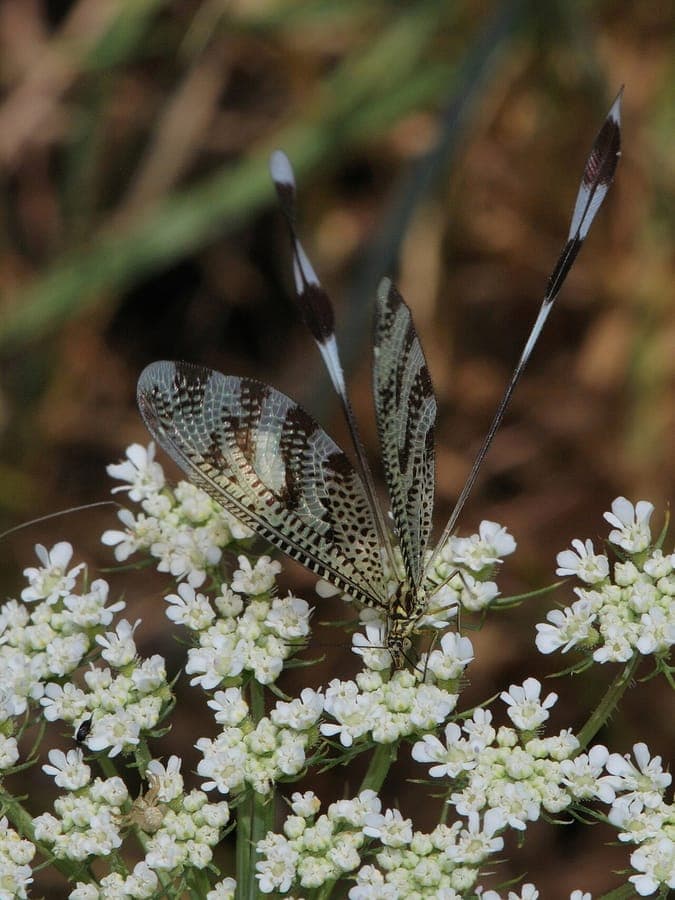
Gideon Pisanty (Gidip) / CC BY 3.0, via Wikimedia Commons
Golden carrot: complete guide
Daucus aureus
Want to see Golden carrot: complete guide in your garden?
1 minute, no credit card
Overview
Daucus aureus, commonly known as golden carrot, is a little-known but botanically fascinating member of the carrot family (Apiaceae). Described by French botanist René Desfontaines in 1798, this species grows natively across the Canary Islands, the Mediterranean basin, Spain, Italy, Morocco, Algeria, Tunisia, Egypt, Cyprus, and the Sinai Peninsula. It has also naturalised in parts of France. Historic synonyms - Ammiopsis daucoides, Platyspermum aureum - reflect the taxonomic complexity surrounding its classification.
As a close relative of the common carrot (Daucus carota), it shares the characteristic compound umbel flower head and finely divided leaves, but stands apart through its golden-yellow fruits - hence the species name aureus (Latin for gold). The plant is an annual or biennial herb reaching 30 to 80 cm in height. The name golden carrot refers specifically to this fruit colour, not to an edible yellow root.
For gardeners in the UK, northern Europe, and North America, Daucus aureus is an excellent choice for a dry, Mediterranean-style or naturalistic garden. It thrives on poor, well-draining soil and draws bees, hoverflies, and other pollinators to its white flowers. Paired with grasses, thistles, and other drought-tolerant perennials, it lends an airy, natural quality to borders or gravel gardens.
Design ideas for Mediterranean-style gardens featuring plants like Daucus aureus are available at gardenworld.app.
Appearance & bloom cycle
Daucus aureus is an upright, lightly hairy herbaceous plant. Its foliage is finely divided and multi-pinnate - closely resembling carrot or chervil leaves - in light green, with a soft texture and a faintly aromatic scent when bruised. Lower leaves can reach 15 to 25 cm; stem leaves are smaller and clasping.
The flower head is a compound umbel, characteristic of the family. Each umbel carries dozens of tiny white flowers arranged on radiating stalks. At the base of each umbel are feathery bracts that give the flower head a lacey, decorative appearance - a quality that makes dried stems attractive in flower arrangements. Flowering runs from May through July, depending on location and season.
The fruits are the most distinctive feature. Unlike the common carrot - whose fruits are bristly and brown - Daucus aureus bears fruits that develop a striking golden-yellow sheen as they ripen. The fruits are oval, 4 to 6 mm long, ribbed with golden hooked hairs that catch on passing animals and clothing - an efficient dispersal strategy. The epithet aureus refers directly to this golden ripening colour.
The plant may be annual or biennial. In warm climates, seeds germinate in autumn, overwinter as rosettes, and flower the following spring. In cooler European conditions - UK, Netherlands, Belgium - seeds sown in early spring will germinate and flower within the same year. Self-seeding is possible on warm, sandy spots.
Ideal location
Daucus aureus is an unequivocally sun-loving plant. In its natural habitat - dry, rocky slopes and limestone steppe around the Mediterranean - it receives direct sun all day. In the garden, choose an open spot receiving at least six hours of direct sunlight. Light midday shade is tolerable but reduces flowering intensity.
The plant is well-adapted to dry conditions and handles wind better than many umbellifers. A spot in a gravel garden, on a dry bank, or at the foot of a warm south-facing wall produces excellent results. Surrounding the plant with gravel or grit prevents moisture accumulating at the crown.
Avoid positions with prolonged waterlogging, deep shade, or heavy wet clay. On rich, moist garden soil the plant grows lush but produces fewer flowers and is prone to lodging (stem collapse). Openness, full sun, and a somewhat lean soil bring out the best in this species.
Soil requirements
Daucus aureus prefers dry, free-draining, moderately fertile soil with a pH of 7.0 to 7.5. The Trefle growth data confirms this: soil nutriment score of 7 (moderately fertile) and atmospheric humidity score of 4 (low) - the plant favours nutritious but dry conditions. Naturally occurring soils in its range are sandy loam, limestone-derived stony soils, or marl - all well-draining with low organic matter and high calcium.
In practice: sandy loam, chalky soil, or limestone-based mixes are ideal. Heavy clay should be improved with coarse horticultural sand (one part sand to two parts clay) and a drainage layer of grit beneath the planting zone. Do not add organic fertiliser; overly rich soil promotes excessive leaf growth at the expense of flowers. Adding ground limestone (150 g per sq m) is beneficial on acid soils with a pH below 6.5.
In containers, use a mix of three parts loam-based compost, two parts coarse sand, and one part fine grit. Ensure generous drainage holes. The plant does particularly well in raised gravel beds or a Mediterranean rockery with limestone chippings.
Free design
Want to see Golden carrot: complete guide in your garden? Make a free design now.
Watering
Once established, Daucus aureus is remarkably drought-tolerant. In its Mediterranean homeland it endures dry summers with almost no rainfall. In northern European gardens, supplemental watering during prolonged dry spells is advisable but excess water is harmful. Deep watering once a week during drought periods lasting more than two weeks is sufficient.
During germination and the first four to six weeks after sowing, keep the soil lightly moist until germination is complete and seedlings reach 5 to 8 cm. Then switch to a sparing watering schedule: water only when the top 3 cm of soil feels dry.
Avoid puddling around the stem base. Standing water promotes crown rot and root rot - conditions to which umbellifers are especially susceptible. In rainy European summers, supplemental watering is usually unnecessary. Drip irrigation is ideal; overhead watering dampens the foliage and risks leaf mould in warm nights.
In containers, check moisture levels daily; pots dry out faster than open ground and may need daily attention during heatwaves. Even so, excess moisture is fatal. Allow the pot to partially dry out between waterings.
Pruning
Daucus aureus requires virtually no pruning. After flowering, you can remove spent flower heads to prevent unwanted self-seeding, or leave them for an attractive dried structure in the late summer garden and a food source for seed-eating birds.
For biennial cultivation, cut back spent stems to the basal rosette after flowering; this encourages fresh basal shoots for the following season. Remove diseased or damaged leaves as soon as they appear to limit the spread of fungal conditions. Yellowing foliage at the end of the bloom cycle is normal.
To harvest seed, shake ripe umbels into a paper bag when the fruits are golden-yellow and dry. Store seed cool and dry; viability lasts two to three years at 5 to 10 °C. Sow either in autumn for natural cold stratification, or February to March indoors for an annual cycle.
Maintenance calendar
February to March: Sow indoors on a bright, cool windowsill at 15 to 18 °C. Use lean seed compost with added sand. Germination takes 10 to 20 days. Leave uncovered; seeds need light to germinate.
April: Prick out seedlings into small pots. Begin hardening off outdoors during the day. Prepare the bed: loosen soil, add lime if pH is below 6.5, omit fertiliser.
May: Plant out at final spacing of 25 to 35 cm. Water in well. Mulch with fine grit around the plants to regulate moisture and suppress weeds.
June to July: Flowering period. Little to no watering needed unless prolonged drought. Pollinators will visit in abundance. Deadhead spent flowers to prolong the bloom season if desired.
August: Seeds ripening. Decide whether to collect seed or allow self-seeding. Cut back spent stems for biennial cultivation.
September to October: Self-sown seedlings may germinate in warm spots. Collect and store seed in cool, dry paper envelopes.
November to March: Biennial rosettes overwinter in the ground without protection to around -10 °C. Annual plants have completed their cycle.
Winter hardiness
Daucus aureus is a Mediterranean plant with moderate cold tolerance. As a biennial, it overwinters as a low rosette down to about -8 to -10 °C. Prolonged cold below -12 °C, especially on wet soils, can damage or kill the plant. In sheltered UK, Belgian, and Dutch gardens, biennial forms survive mild winters without difficulty.
USDA hardiness zones 7 to 9 apply. In zone 6 or colder, treat the plant as an annual and start seeds indoors. A dry winter position - free-draining, protected from prolonged standing water - matters more than absolute cold hardiness. A dry, sheltered spot against a warm wall tolerates far more cold than a wet clay open ground position.
Seeds overwinter readily in the ground and germinate spontaneously when conditions allow in spring, making Daucus aureus suitable for naturalistic gardens where self-seeding is welcome.
Companion plants
Daucus aureus fits beautifully into naturalistic, Mediterranean-style, or gravel gardens. Good planting partners include:
- Wild carrot (Daucus carota) as a closely related native species for a varied wildflower border. Both attract the same suite of pollinators.
- Eryngium (sea holly) as a structural companion. The blue-silver tones of E. planum or E. amethystinum pair beautifully with the white umbels of Daucus aureus, both reaching 50 to 80 cm.
- Stipa (feather grass) as airy textural accompaniment. Ornamental grasses like Stipa tenuissima (60 to 70 cm) provide movement and fine-textured contrast.
- Allium (ornamental onion) as a bulb partner. Both are drought-tolerant Mediterranean plants with similar high-sun requirements and a late spring to early summer bloom.
- Lavandula (lavender) as a fellow Mediterranean species. Together they create an authentic southern European border with fragrance and pollinator value.
- Verbascum (mullein) as a tall accent. The vertical flower spikes of Verbascum olympicum (up to 200 cm) provide excellent height variation above the airy umbels.
Avoid pairing with moisture-loving plants like Astilbe, Hemerocallis, or Hosta, which require the opposite growing conditions.
Conclusion
Daucus aureus is a rare but rewarding choice for gardeners pursuing a drought-tolerant, pollinator-friendly garden with a Mediterranean or naturalistic character. Its delicate lacey flower heads, golden-fruited ripening stems, and minimal maintenance requirements make it a distinctive addition to borders, gravel gardens, or wildflower meadows. Modest dimensions and tolerance for lean soil make it easy to combine with a wide range of companions.
For help designing a Mediterranean garden featuring plants like Daucus aureus, visit gardenworld.app for design tips and planting combination guides. Seeds are available from specialist native plant nurseries, wildflower seed suppliers, and online seed banks.
Want to see Golden carrot: complete guide in your garden? Make a free design now.
Upload a photo, pick a style, and get a photorealistic design with plant list in under a minute.
10,000+ gardens designed already
No credit card required


Similar plants
Whorled carrot: complete guide
Daucus involucratus
Daucus involucratus is a Mediterranean umbellifer with white flower heads framed by lacy bracts. Growing this gravel garden gem.
Daucus muricatus: complete guide
Daucus muricatus
Daucus muricatus, the spiny wild carrot, grows wild on Mediterranean coasts. Discover sowing, June-July bloom, and wildflower meadow use.
Daucus pumilus: complete guide
Daucus pumilus
Daucus pumilus is a dwarf wild carrot relative with white lacy umbels, thriving on dunes and coastal rock in poor, fast-draining soil.