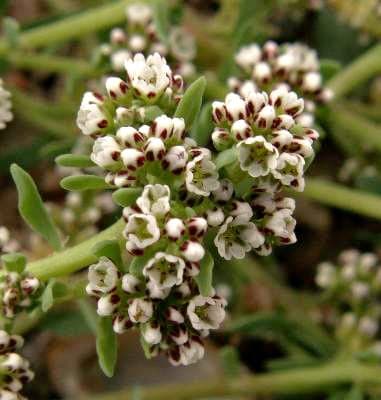
Aroche / CC BY-SA 3.0, via Wikimedia Commons
Strapwort: complete guide
Corrigiola litoralis
Want to see Strapwort: complete guide in your garden?
Full design in HD: €7.99
Look after your Strapwort with the GardenWorld app
Identify plants with your camera and get a care calendar with reminders for this plant.


Overview
Strapwort (Corrigiola litoralis) is a delicate annual in the Caryophyllaceae family. This Mediterranean species is native from Europe through North Africa. It's a low-growing creeper that provides perfect groundcover for sunny, dry locations. The plant also thrives in rock gardens and coastal areas.
Appearance and bloom cycle
Strapwort typically grows to approximately 10-30 cm in height, with narrow, grass-like leaves. The plant forms low, dense mats. From July through September, tiny white or pale pink flowers appear in terminal clusters. Flowers are small (approximately 4mm diameter) but abundant.
Ideal location
Strapwort thrives in full sun to partial shade. Choose locations with at least 4-6 hours of direct sunlight daily. The plant responds well to open, windy positions with sea breezes. Ideal for coastal gardens.
Soil requirements
Strapwort is extremely tolerant of poor soils. It flourishes on dry, sandy or gravelly substrates. A pH of 5.5-7.5 is acceptable. Excellent drainage is essential - waterlogging causes decline.
Free preview
Want to see Strapwort: complete guide in your garden? Make a free preview of your design.
Watering
Once established, strapwort is extremely drought-tolerant. Water sparingly after sowing until establishment. Thereafter, minimal watering needed. During exceptional dry periods, supplemental water may help.
Pruning
No pruning needed. Annual plant dies after first frost.
Maintenance calendar
April-May: Sow seeds directly. June: Plant growth accelerates. July-September: Flowering peaks. October-November: Plant dies with frost. December-March: Winter dormancy.
Winter hardiness
Strapwort is not winter hardy. As an annual, it's sown in spring and dies with first hard freeze.
Companion plants
Strapwort combines well with other dry-soil lovers such as sea rocket, sedums, and other xerophytic plants. Plant in groups for visual impact. Perfect partner for Mediterranean plantings.
Conclusion
Strapwort is an incredibly frugal choice for dry, sunny gardens and coastal locations. With virtually no maintenance, it provides elegant groundcover throughout the growing season. Discover on gardenworld.app how to effectively plant dry gardens. Visit gardenworld.app for personalized garden designs for coastal areas and Mediterranean climates.
Frequently asked questions about Strapwort
Is Strapwort winter hardy?
Strapwort is not winter hardy. As an annual, it's sown in spring and dies with first hard freeze.
When and how do you prune Strapwort?
No pruning needed. Annual plant dies after first frost.
How much water does Strapwort need?
Once established, strapwort is extremely drought-tolerant. Water sparingly after sowing until establishment.
Where does Strapwort grow best?
Strapwort thrives in full sun to partial shade. Choose locations with at least 4-6 hours of direct sunlight daily.
What soil does Strapwort need?
Strapwort is extremely tolerant of poor soils. It flourishes on dry, sandy or gravelly substrates.

See it in your garden
See Strapwort in your garden
One photo of your garden and a few questions. You see the result in about a minute.
Try it with a photoIdentify this plant in your own garden. Identify a plant
Similar plants
Dianthus karami: complete guide
Dianthus karami
Dianthus karami is a rare Lebanese mountain pink with fringed pink blooms on limestone cliffs, ideal for rock gardens and troughs.
Sicilian pink: complete guide
Dianthus siculus
Discover Dianthus siculus, an elegant purple bloomer from Sicily. Cultivation, June-September flowering and garden combinations.
Alpine mouse-ear chickweed: complete guide
Cerastium pedunculatum
Full growing guide for Cerastium pedunculatum: ideal location, soil, watering, winter hardiness, and companion plants for rock gardens.
