
小石川人晃 / CC BY-SA 4.0, via Wikimedia Commons
Cirsium japonicum: complete guide
Cirsium japonicum
Want to see Cirsium japonicum: complete guide in your garden?
1 minute, no credit card
Overview
Cirsium japonicum, commonly known as Japanese thistle or tiger thistle, is a remarkable perennial from East Asia. This species grows naturally across China, Japan, Korea, and Vietnam. The plant is prized for its lovely purple flowers and the fact that it naturalizes well in gardens.
Unlike many thistles, Cirsium japonicum is less aggressive and adapts better to various growing conditions. This makes it an excellent choice for gardeners who want thistle-like plants without the invasive tendencies.
At GardenWorld, we recommend this plant for wildflower gardens, pollinator beds, and ecological landscapes. The flowers attract butterflies and bees, while the seeds feed birds.
Appearance and bloom
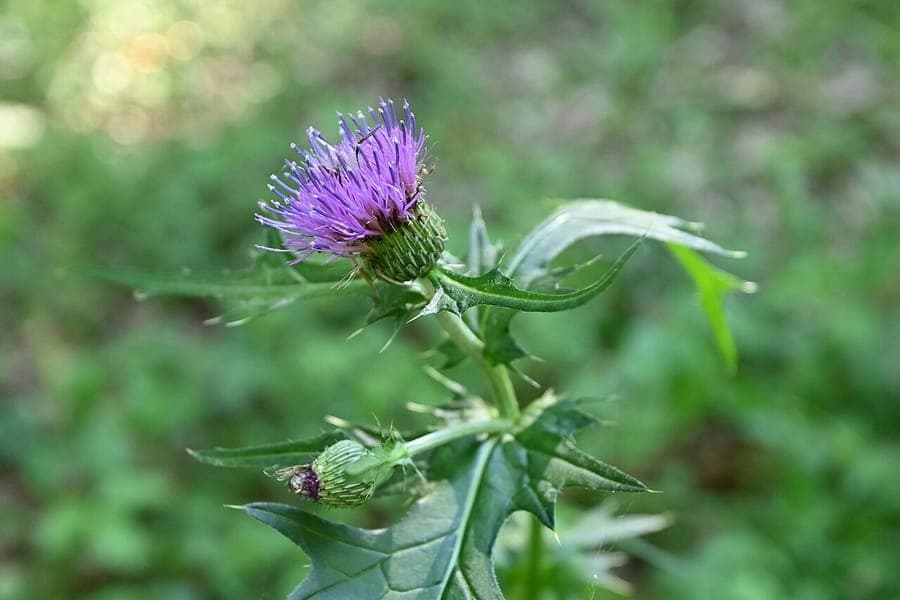
Cirsium japonicum grows as an upright, herbaceous plant, usually 60-100 cm tall. The stems are slender, red-purple and covered with fine prickles. The leaves are green, deeply cut to feathery, and also have fine spines along the margins.
The flowers are the stars of this plant. They appear from July to September as globe to cone-shaped flower heads with deep purple to pink florets. These blooms are not only beautiful but also highly attractive to pollinators.
After flowering, characteristic seedheads form with fine hairy bristles (pappus) that aid wind dispersal. This gives the plant a silvery, wispy appearance in autumn.
Ideal location
Cirsium japonicum blooms best in sunny spots but tolerates partial shade. At least 4-5 hours of direct sunlight daily ensures optimal flowering.
The plant is not fussy about placement in the garden, as long as drainage is reasonable. At border edges, in wildflower areas, or even along pathways it thrives.
For bird watchers: position this plant where you can see it from windows so you can observe birds feeding on seeds in autumn.
Wind is not a problem - this plant is extremely tough and wind-resistant.
Soil
Cirsium japonicum tolerates diverse soils. It grows well in sandy, loamy, and clay soils. A moderately fertile to poor soil is actually preferred - in highly nutrient-rich soil it becomes too lush.
Drainage is important. In poorly drained, waterlogged soils, roots will rot. Add gravel or sand to heavy clay.
The plant accepts pH levels from approximately 5.5 to 8.0. No special fertilization is needed - in fact, regular feeding can cause unwanted rank growth.
Free design
Want to see Cirsium japonicum: complete guide in your garden? Make a free design now.
Watering
Once established, Cirsium japonicum is drought-tolerant. Young plants, however, need regular watering during the first growing season.
Water weekly initially, then gradually reduce frequency. Once established in well-drained soil, it needs almost no additional water except during extreme drought.
In container cultivation, keep soil moist but not wet. Water when the top centimeter feels dry.
In average to wet soils, the plant can thrive with minimal supplemental irrigation.
Pruning
Pruning is optional but beneficial. Deadhead (remove spent blooms) after flowering to extend bloom time and limit seed spread (unless you want seeds for next year).
At winter's end, once new growth appears, you can remove dead stem portions entirely. Leaving old material standing provides winter interest and bird food.
Aggressive pruning after blooming sometimes stimulates secondary flowering, though this doesn't always occur.
Maintenance calendar
Spring: Young plants planted in spring need regular watering. Late spring: Remove dead material from previous year. Initial feeding not needed. Summer: Support tall plants with stakes if necessary. Keep moist during extreme heat. Autumn: Leave dead stems standing for birds and winter interest. Winter: No maintenance needed.
Winter hardiness
Cirsium japonicum is fully winter hardy to USDA zone 4 (down to -30C). In UK, northern European, and German winters no protection is needed.
Once established, this plant survives snow, frost, and wind without problems. In very mild winters, foliage may be partially retained.
Companion plants
Cirsium japonicum combines well with:
- Other wildflower perennials: Echinops (globe thistle), Rudbeckia, Coreopsis
- Ornamental grasses: Stipa, Panicum
- Low pollinator shrubs: Thyme, Oregano
- Early-blooming bulbs: Allium, Eryngium
These combinations create a spontaneous, natural appearance and attract many pollinators.
Closing
Cirsium japonicum is a beautiful, easy perennial that adds significant value to garden ecology. Whether you want a butterfly and bee garden or simply a lovely flowering plant requiring minimal maintenance - this thistle is definitely worth considering.
From seed this plant is simple to grow yourself. Seeds may be available from general garden centers or you can collect seeds from existing plants. For young plants, seek out specialized nurseries.
Enjoy this magnificent Japanese thistle in your garden!
Want to see Cirsium japonicum: complete guide in your garden? Make a free design now.
Upload a photo, pick a style, and get a photorealistic design with plant list in under a minute.
10,000+ gardens designed already
No credit card required


Similar plants
Calendula stellata: complete guide
Calendula stellata
Complete guide to Calendula stellata, the star-flowered marigold from Sicily: location, soil, watering and companion planting tips.
Korean chrysanthemum: complete guide
Chrysanthemum x rubellum
Chrysanthemum x rubellum is a hardy autumn perennial with single pink to copper flowers from August to November. Care and combinations.
Helianthus divaricatus: complete guide
Helianthus divaricatus
Helianthus divaricatus is a North American woodland sunflower with yellow summer blooms, ideal for naturalistic borders and shady edges.