
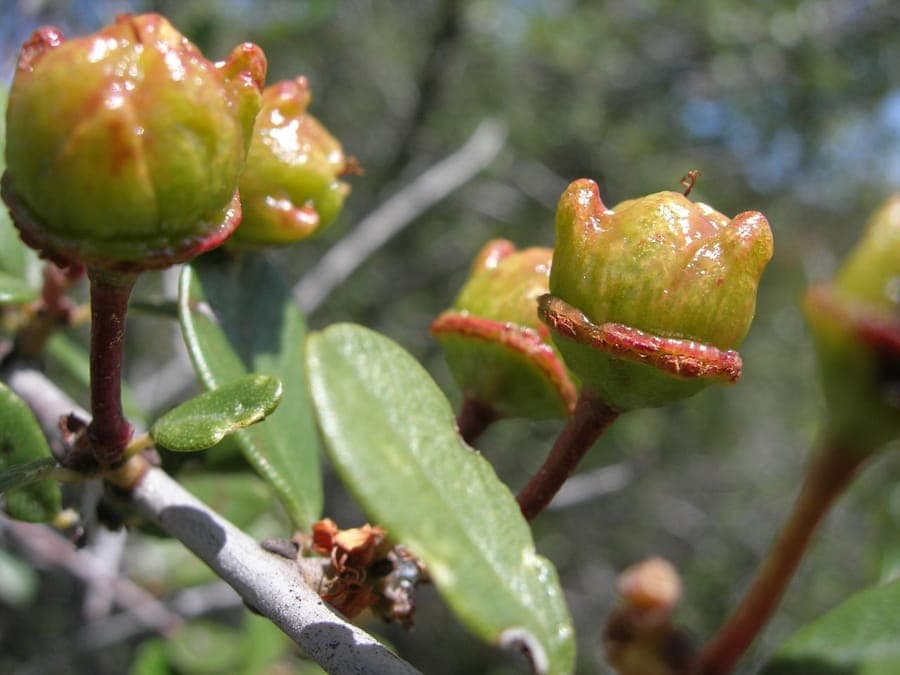
Joe Decruyenaere / CC BY-SA 2.0, via Wikimedia Commons
Bigpod ceanothus: complete guide
Ceanothus megacarpus
Want to see Bigpod ceanothus: complete guide in your garden?
1 minute, no credit card
Overview
Ceanothus megacarpus, commonly known as bigpod ceanothus, is one of the most striking members of the large and diverse Ceanothus genus that dominates the chaparral and coastal sage scrub communities of California. The name megacarpus means 'large-fruited', referring to the unusually large seed capsules that set this species apart from its dozens of relatives. Native to the southwestern corner of California, including the Channel Islands, this multi-stemmed shrub belongs to the Rhamnaceae family - the buckthorn family - and plays a critical ecological role as a nitrogen fixer and pollinator magnet in its native habitat. For gardeners interested in low-water, low-maintenance planting, this plant deserves serious attention. On gardenworld.app you can see how native shrubs like this fit into a complete front garden design.
Appearance and bloom cycle
Ceanothus megacarpus is a densely branched, multi-stemmed shrub that typically reaches 100 to 300 cm in height in the wild, though cultivated specimens in garden settings tend to stay somewhat more compact, commonly between 120 and 200 cm. The branches are rigid, grey-green to olive in colour, and the overall form is open and airy.
The leaves are small, leathery, and dark green, with a finely toothed margin. They measure roughly 1 to 2 cm in length and have a fine texture as confirmed by botanical records. This gives the shrub a light, feathery quality that contrasts well with heavier-textured neighbours.
The flowers are pure white, individually tiny, but they are produced in dense, rounded clusters that smother the plant from late January through April depending on winter temperatures. In mild winters the show can begin in January; in cooler years full bloom arrives in March. The fragrance is sweet and distinctive, drawing impressive numbers of bees, bumblebees, and butterflies. After blooming, the distinctive large seed capsules appear - three-lobed woody capsules noticeably larger than those of other ceanothus species, which give the plant its common name. The capsules ripen from green to brown and eventually split explosively to disperse the seeds.
Ideal location
This plant needs full sun - at least six to eight hours of direct sunlight per day. In part shade it becomes leggy, flowers poorly, and is more susceptible to disease. A south or southwest-facing slope or bed is ideal.
Ceanothus megacarpus thrives on hillsides, in rock gardens, and in raised beds where drainage is sharp and the soil never stays wet. It works beautifully as a specimen plant, as an informal hedge, or massed with other drought-tolerant Mediterranean-climate shrubs. Against a warm south-facing wall in a cool-climate garden it gets the extra warmth it needs to flower reliably.
Do not plant this species in low-lying spots where rainwater collects, or next to regularly irrigated lawn or border areas. Persistent moisture at the roots is the main killer. Leave enough room for the plant to reach its full width - crowding leads to poor airflow and disease.
Soil
In the wild, Ceanothus megacarpus grows on rocky, thin, well-drained soils with a pH between 7 and 8 - slightly alkaline to neutral. The roots have evolved for lean, low-fertility conditions. Heavy clay soil or rich compost-amended beds will cause root problems and weak, floppy growth.
Prepare the planting site by mixing coarse grit, gravel, or perlite into the existing soil at a ratio of roughly 30 to 40 percent. On clay soils, consider building a raised bed or mound to guarantee drainage. Do not incorporate large amounts of organic compost, as this promotes soft, frost-susceptible growth and encourages root diseases in summer.
A gravel mulch around the base keeps weeds down, reflects warmth back to the plant, and prevents soil splash onto the lower branches. It also signals to the plant's roots that this is the environment they evolved for.
Watering
Once established - after one to two growing seasons - Ceanothus megacarpus is remarkably drought tolerant and needs little or no supplemental water during summer. In its California homeland the plant survives the long dry summers entirely on winter and spring rainfall stored in deep soil layers.
During the establishment phase, water deeply every two to three weeks, allowing the water to penetrate well below the surface so the roots are encouraged to grow deep. Avoid shallow, frequent watering that keeps only the top few centimetres moist.
After the first year, begin reducing summer irrigation gradually. Mature plants in a typical northern European summer need no extra water at all. In exceptional heatwaves or prolonged droughts, one deep watering per month is sufficient. Overwatering in summer is the single biggest cause of failure with this plant in West European gardens. Signs of too much water include yellowing leaves, soft shoots, and dieback from the branch tips.
Free design
Want to see Bigpod ceanothus: complete guide in your garden? Make a free design now.
Pruning
Ceanothus megacarpus requires minimal pruning when given sufficient space. Hard pruning into old wood is strongly discouraged because the plant has limited capacity to regenerate from bare stems. Unlike many garden shrubs, it will not readily break from old wood if cut back hard.
The recommended approach is light tidying immediately after flowering finishes in April or May. Remove spent flower clusters and any obviously dead or damaged branches at this time. Never remove more than one-third of a branch's length in a single session. Avoid any pruning in late summer or autumn, as this stimulates new growth that is vulnerable to frost damage.
Deadwood and broken branches can be removed at any time of year. If the shrub becomes too large for its space over time, replacement is preferable to drastic cutting back. The plant's moderate growth rate means that, with thoughtful siting, major surgery should rarely be necessary.
Maintenance calendar
January to February: Check for any frost or storm damage. In mild winters, early blooms may already appear. Enjoy the first bees of the year.
March to April: Peak flowering period. Allow pollinators to work undisturbed. Hold off on any fertilizing or pruning until the show is over.
April to May: Light pruning after flowering. Remove spent clusters and any damaged stems. This is the only major pruning window of the year.
June to August: Summer drought period. Established plants need little or no water. In extreme heat, one deep watering per month is sufficient. Monitor for scale insects.
September to October: The seed capsules ripen and eventually split. No intervention needed. The plant rests quietly.
November to December: Frost protection for young or recently planted specimens in cold zones. A layer of gravel over the root zone helps protect against freeze-thaw damage.
Winter hardiness
Ceanothus megacarpus is moderately hardy. In its native California range, it rarely encounters frost, but it tolerates brief dips to around -5 to -7 degrees Celsius when the soil is dry and conditions are not wet. USDA zone 8b and warmer is the safe outdoor range with no protection needed. In zone 8a, shelter from cold winds and excellent drainage extend its survival. In zone 7 and below, container cultivation with a frost-free but cool winter quarters is the safest option.
Wet cold is far more damaging than dry cold. A plant in perfectly drained soil will endure temperatures that would kill one in soggy ground. This is the key point for gardeners in maritime climates where winters are mild but wet: drainage is everything.
In the UK and similar northwest European climates, the milder parts of the south and west coast are the most suitable outdoor sites. Coastal gardens often suit ceanothus species well, provided exposure to severe gales is limited.
Companion plants
Ceanothus megacarpus pairs beautifully with other plants that share its preference for sun, dry conditions, and thin alkaline soils. Some excellent companions include:
Lavender (Lavandula angustifolia and its cultivars) shares the same drainage and sun requirements and extends the season of colour from the ceanothus's early spring white into summer purple.
Rosemary (Salvia rosmarinus) provides year-round structure with its evergreen needle-like leaves and produces blue flowers that overlap with or follow the ceanothus bloom.
Cistus species, the sun roses, are outstanding companions for dry slopes and Mediterranean-style planting schemes. Their large papery flowers in pink, white, or purple complement the delicate ceanothus clusters.
Helianthemum cultivars make excellent low ground cover at the feet of the shrub, suppressing weeds and providing additional colour in late spring.
Ornamental sage species (Salvia) such as Salvia officinalis or Salvia nemorosa add both culinary interest and flowering colour to the combination.
On gardenworld.app you can experiment with planting combinations for a Mediterranean-style front garden and receive a visualised design that shows exactly how these plants work together.
Closing thoughts
Ceanothus megacarpus is a rewarding plant for the gardener willing to meet its simple but non-negotiable requirements: full sun, sharp drainage, and restraint with water. Its extraordinary display of white blossom in late winter and early spring, combined with genuine drought tolerance once established, makes it one of the most valuable shrubs for warm, dry garden styles. Plant it in the right spot, prune it lightly once a year after flowering, and leave it largely to its own devices. It will repay this straightforward approach with years of spectacular flowering and a steady supply of visiting bees and butterflies.
Want to see Bigpod ceanothus: complete guide in your garden? Make a free design now.
Upload a photo, pick a style, and get a photorealistic design with plant list in under a minute.
10,000+ gardens designed already
No credit card required

