 Bulbos y tubérculos
Fritillaria imperialis
Corona imperial
La corona imperial es un bulbo majestuoso con una corona de grandes flores colgantes en forma de campana, en naranja, rojo o amarillo, coronadas por un penacho de hojas verdes. Florece en abril y puede alcanzar un metro de altura; su bulbo desprende un olor almizclado penetrante que ahuyenta a topillos y topos.
¿Quieres ver Corona imperial en tu jardín?
1 minuto, sin tarjeta de crédito
¿Quieres ver Corona imperial en tu jardín? Crea un diseño gratis ahora.
Sube una foto, elige un estilo y obtén un diseño fotorrealista con lista de plantas en menos de un minuto.
Más de 10.000 jardines diseñados
Sin tarjeta de crédito


Características
- Sol
- Sol pleno
- Agua
- Medio
- Altura
- 60–100 cm
- Ancho
- 20–30 cm
- Zona de resistencia
- 5–8
- Familia
- Liliaceae
- Perenne
- No
- Colores de flores
- orange, red, yellow
- Valor ecológico
- bees
Período de floración
Guía de cuidados
Plante los bulbos grandes en septiembre-octubre a 20 cm de profundidad, en suelo fértil y bien drenado, a pleno sol. Plántelos ligeramente inclinados para que el agua no se acumule en el hueco superior. Evite el suelo húmedo, ya que provoca podredumbre. Después de la floración, deje que el follaje se seque antes de retirarlo.
Consejos de poda
Elimine las flores marchitas, pero deje el follaje intacto hasta que amarillee por completo, ya que alimenta el bulbo para el año siguiente. Marque el lugar para no desenterrar el bulbo por accidente. No mueva los bulbos: rinden mejor si no se los perturba.
Buenos compañeros
 Bulbos y tubérculos
Tulipa gesneriana
Tulipán de jardín
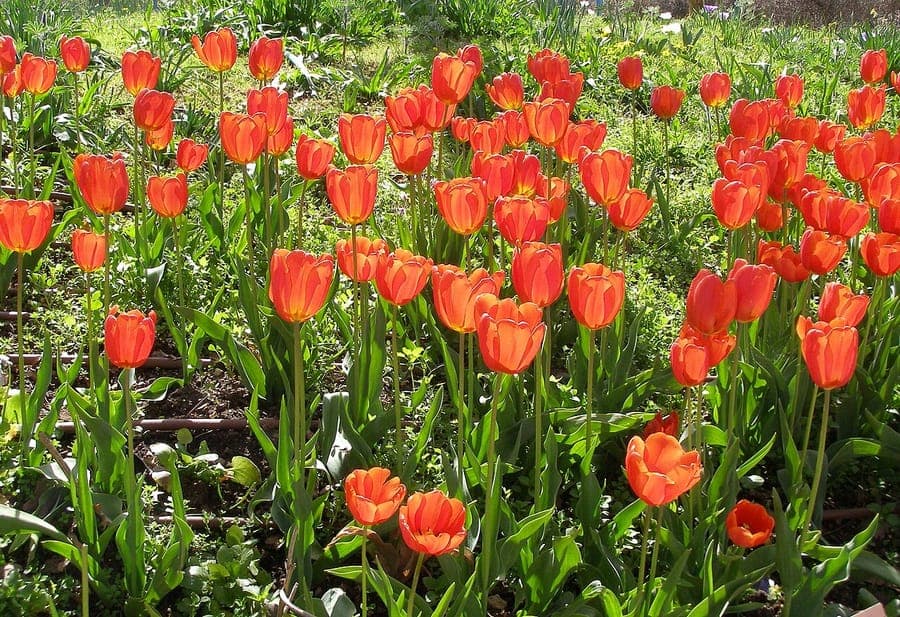
El tulipán de jardín es el icono de la primavera neerlandesa, con flores en forma de cáliz en prácticamente cualquier color imaginable. Florece en abril y mayo, transformando arriates y macetas en un espectáculo lleno de color. Los bulbos se plantan en otoño y recompensan con una floración primaveral fiable.
 Bulbos y tubérculos
Narcissus pseudonarcissus
Narciso
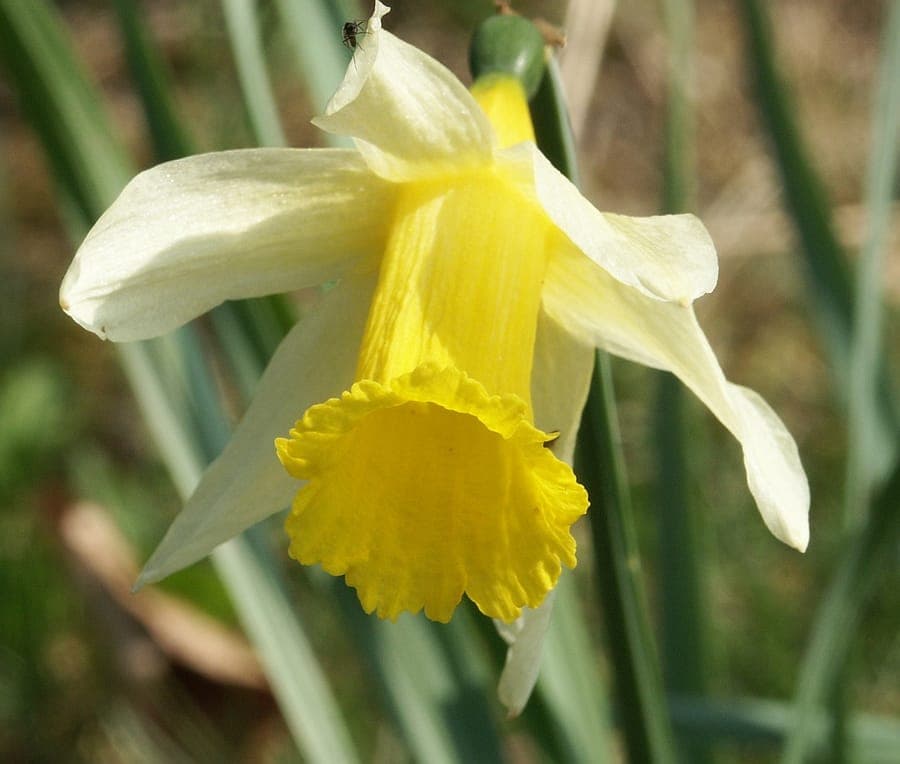
El narciso es una de las flores más tempranas de la primavera, con sus característicos pétalos amarillos o blancos que desprenden un aroma fresco y dulce. Florece en marzo y abril, y se naturaliza con facilidad en céspedes y bajo los árboles. Los bulbos son tóxicos para los roedores, por lo que quedan a salvo de sus mordiscos.
 Bulbos y tubérculos
Allium giganteum
Ajo ornamental gigante
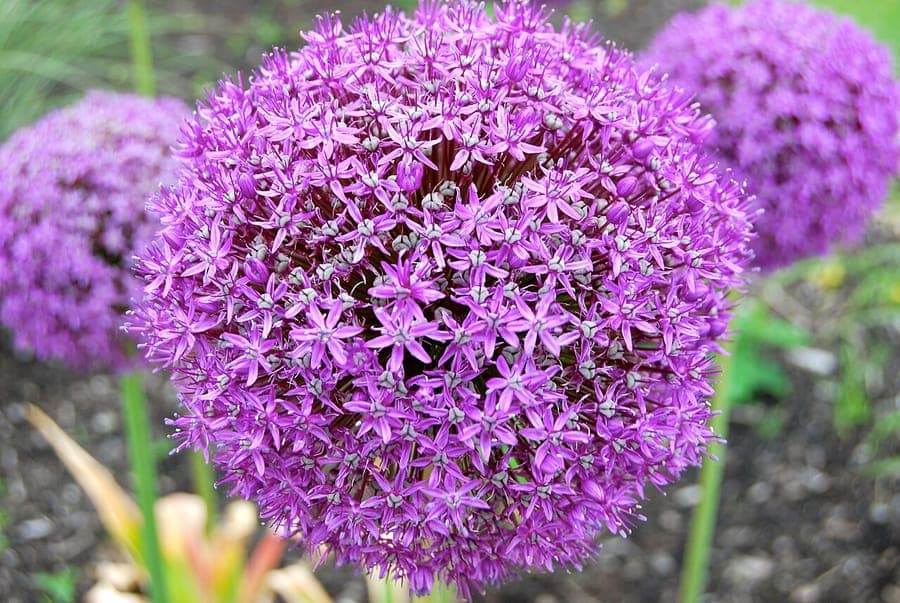
El ajo ornamental gigante es una bulbosa espectacular con grandes inflorescencias esféricas de color púrpura sostenidas por tallos robustos. Las flores aparecen en mayo y junio y atraen a numerosas abejas y mariposas. Las cabezas de semillas secas siguen siendo decorativas en el arriate hasta bien entrado el otoño.
Diseño de jardín en 1 minuto
Sube una foto, elige un estilo. Obtén lista de plantas, ficha técnica y descripción de cuidados.
Comenzar gratisSin tarjeta de crédito
Ver ejemplosComo afiliados de Amazon, ganamos con las compras que cumplen los requisitos. No te cuesta nada extra.