
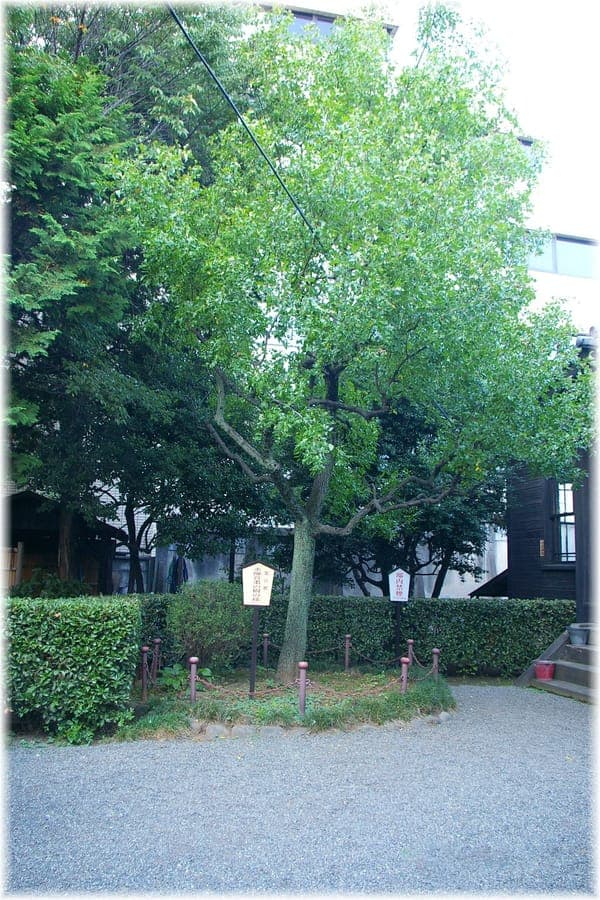
Tokyo Watcher at English Wikipedia / CC BY-SA 3.0, via Wikimedia Commons
Chinese jujube: complete guide
Ziziphus jujuba
¿Quieres ver Chinese jujube: complete guide en tu jardín?
1 minuto, sin tarjeta de crédito
Overview
The Chinese jujube (Ziziphus jujuba), commonly called jujube or red date, is a nutrient-rich fruit tree native to northern and eastern China. This hardy deciduous tree produces small, reddish-brown fruits featuring an apple-like flavour and firm, crispy flesh surrounding a central stone. Jujubes abound in vitamin C, minerals, and antioxidants, making them an excellent addition to the nutritious home garden.
Appearance & Fruits
The jujube tree reaches 8-12 meters under optimal conditions, though many cultivars remain compact. It features an irregular crown with glossy green foliage turning golden in autumn. Flowers are small, pale-yellow blooms appearing in clusters. Fruits are oval to round, 2-3 centimeters long, initially green then red to dark brown at full ripeness. Each fruit contains one hard pit surrounded by sweet, crispy pulp.
Ideal Location
Jujubes demand full sun: minimum six to eight hours daily direct sunlight. They thrive in warm, dry climates but grow in temperate zones. Plant in sheltered locations limiting wind erosion. Jujubes tolerate wind better than many fruit trees, yet severe coastal winds cause foliage damage. Avoid frost pockets where cold air accumulates.
Soil
Jujubes exhibit remarkable drought tolerance and accept diverse soil types from sand to clay provided drainage exists. They grow in pH 5.5-8.0. For best results: plant in well-draining, moderately fertile soil. Add compost at planting but avoid excessive feeding. Once established, jujubes require minimal nutrition and suit poor soils.
Watering
Once established (after two growing seasons), jujubes become exceptionally drought-tolerant requiring minimal water. During first two years water regularly (weekly) until root systems establish. Mature trees survive on rainfall alone in most climates. During dry spells water deeply but infrequently. Excessive moisture promotes leaf fungi and root diseases.
Diseño gratis
¿Quieres ver Chinese jujube: complete guide en tu jardín? Crea un diseño gratis ahora.
Pruning
Minimal pruning is needed. Remove dead, diseased, or damaged branches. Shape young trees by cutting low main stem encouraging broad crown development. Avoid excessive pruning as it reduces flowering and fruiting. Post-harvest, remove aged branches encouraging productivity.
Maintenance Calendar
Spring (March-May): Blooming and growth period, deep water young trees, prevent water-logging. Summer (June-August): Fruit development, keep dry, monitor leaf fungi in moist areas. Autumn (September-October): Complete harvest of ripe fruits, prepare for drying. Winter: Reduced growth, no feeding, frost protection in cold zones.
Winter Hardiness
Jujubes are reasonably hardy to approximately minus 15 degrees Celsius, though hard frosts cause stem damage. In very cold climates, plant in sheltered locations or protect against winter winds. Young trees tolerate frost worse than established; protection with burlap wrapping assists.
Companion Plants
Jujubes pair excellently with other drought-tolerant fruit trees: almonds, apricots, and berry shrubs. For full-sun heritage plantings: blackberry, raspberry, and fig-like crops. In Mediterranean or arid gardens, jujubes alongside olives, figs, and pomegranates create productive, ornamental landscapes.
Closing
Jujubes offer nutritious, flavourful fruits requiring minimal maintenance. Once established, they suit dry climates and marginal soils perfectly. Harvest fresh fruits August through October and dry for winter storage. For elegant fruit garden design combining productivity with beauty, visit gardenworld.app/en. Need assistance planning productive fruit gardens? Consult gardenworld.app/en for expert advice.
¿Quieres ver Chinese jujube: complete guide en tu jardín? Crea un diseño gratis ahora.
Sube una foto, elige un estilo y obtén un diseño fotorrealista con lista de plantas en menos de un minuto.
Más de 10.000 jardines diseñados
Sin tarjeta de crédito


Plantas similares
Point Reyes ceanothus: complete guide
Ceanothus gloriosus
The Point Reyes ceanothus is an evergreen Californian groundcover with blue flowers. Location, soil and pruning explained in detail.
Santa Barbara ceanothus: complete guide
Ceanothus impressus
Ceanothus impressus rewards a sunny wall with deep blue flowers in March-May. Location, soil, pruning and winter protection explained.
Redstem ceanothus: complete guide
Ceanothus sanguineus
Ceanothus sanguineus is a hardy, deciduous shrub with reddish stems and creamy white flower clusters in June. Care and companions.