
Marco Schmidt[1] / CC BY-SA 3.0, via Wikimedia Commons
Shea Butter Tree: complete guide
Vitellaria paradoxa
¿Quieres ver Shea Butter Tree: complete guide en tu jardín?
1 minuto, sin tarjeta de crédito
Overview
The Shea Butter Tree (Vitellaria paradoxa), also known as the Karite Tree, is a valuable native tree from West Africa. This tree is especially known for producing shea butter from its seeds, a highly valued ingredient in cosmetics and food. With its slow growth and longevity, it makes an interesting but patient-requiring addition to tropical and subtropical gardens.
Appearance and Bloom
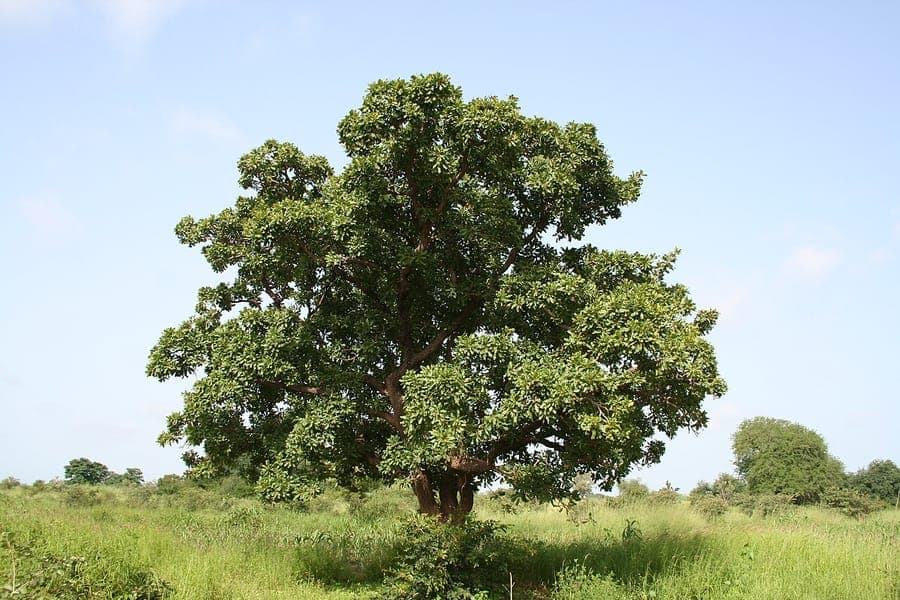
The Shea Butter Tree grows as a medium to large tree with broad, green leaves. The plant produces small, yellow-white flowers that release a sweet fragrance, especially in early spring. After flowering, oval fruits form with a single highly oil-rich seed. The tree typically reaches 12-18 meters in height.
Ideal Location
The Shea Butter Tree thrives best in warm, dry tropical and subtropical locations. Plant in a sunny spot with full light exposure. The tree appreciates warmth and can tolerate drought periods. Protection from strong winds is beneficial.
Soil
The Shea Butter Tree requires well-draining soil. The plant grows better in sandy-loam to loamy ground. A pH between 5.5 and 7.5 is acceptable. Add organic matter to improve moisture retention.
Watering
Once established, the Shea Butter Tree is quite drought-tolerant. Water regularly in the first growing season. Water during dry periods, especially during growth phase. Avoid waterlogging which can damage roots.
Diseño gratis
¿Quieres ver Shea Butter Tree: complete guide en tu jardín? Crea un diseño gratis ahora.
Pruning
Pruning is not necessary for growth but can be done for shaping or removing dead wood. The tree naturally grows in a round form. Annual inspection for diseases or pests is useful.
Maintenance Calendar
Spring: Start feeding; blooming visible. Summer: Regular watering; fruit development. Autumn: Reduce feeding; seed harvest period. Winter: Minimal care.
Winter Hardiness
The Shea Butter Tree is frost-sensitive and requires tropical or subtropical climate. In the Netherlands and Belgium, it can only grow in protected greenhouse space. In southern parts of Spain or Portugal, possibly outdoors in very sheltered spots.
Companion Plants
In tropical areas, combines well with other African tree species. Underplanting with shade-tolerant species is possible. Avoid strong competition from fast-growing plants to avoid hindering growth.
Closing Thoughts
The Shea Butter Tree is a fascinating choice for tropical gardens or protected greenhouse environments. With its slow growth and valuable seeds, it offers unique benefits. Seeds and young trees are available through specialized suppliers.
Where to Buy
Seeds and young plants are difficult to find but available through botanical nurseries. Online ordering via gardenworld.app/en or gardenworld.app/nl can provide information on availability and seed imports.
¿Quieres ver Shea Butter Tree: complete guide en tu jardín? Crea un diseño gratis ahora.
Sube una foto, elige un estilo y obtén un diseño fotorrealista con lista de plantas en menos de un minuto.
Más de 10.000 jardines diseñados
Sin tarjeta de crédito


Plantas similares
Bulletwood: complete guide
Manilkara bidentata
Bulletwood (Manilkara bidentata) is a majestic tropical tree from South America, prized for its extraordinarily dense timber and milky latex.
Sapodilla: complete guide
Manilkara zapota
Sapodilla is a tropical fruit tree with sweet, brown flesh and large green leaves. Ideal for warmer climates and gardens with plenty of space and sunshine.
Mimusops elengi: complete gids
Mimusops elengi
Leer alles over mimusops elengi, een tropische boom met geurige bloemen en voedzame vruchten. Perfecte boom voor warme klimaten.