
Wikimedia Commons / CC BY-SA 3.0, via Wikimedia Commons
Viola hispida: complete guide to this delicate French wild pansy
Viola hispida
¿Quieres ver Viola hispida: complete guide to this delicate French wild pansy en tu jardín?
1 minuto, sin tarjeta de crédito
Overview
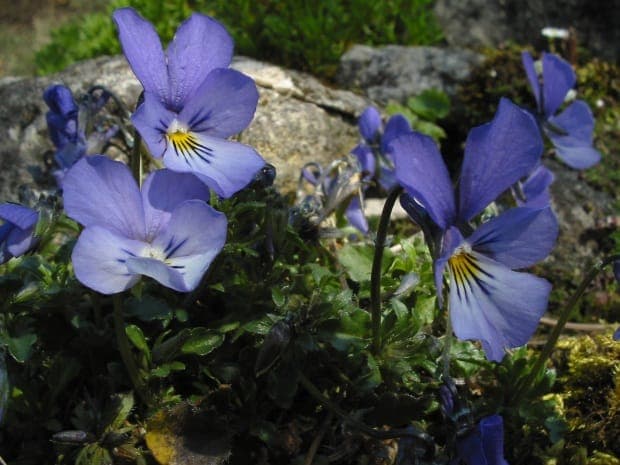
Viola hispida, commonly known as the Rouen Pansy or Rouen Violet, is a charming, rare wild pansy endemic to northern France. This diminutive wildflower is celebrated for its delicate purple flowers appearing from April through June. With slender stems and fine texture, Viola hispida brings authentic, wildlife-friendly character to gardens and naturalistic landscapes.
At GardenWorld, we recognize Viola hispida as an underappreciated treasure for gardeners seeking authentic, native wildflora integration. The plant thrives in well-drained soil and prefers partial shade, making it perfect for woodland margins and rocky outcrops.
Appearance and Bloom
Viola hispida grows as a low, wispy herbaceous plant reaching approximately 10-30 cm in height. Leaves are oblong-cordate, green, and slightly hairy. The plant forms gradually larger clusters with age and self-seeding.
Flowers are diminutive, approximately 10-15 mm in diameter, displaying delicate purple petals with yellow or cream centers. The inflorescence is typically solitary or in small clusters. Blooms persist from April through June, often extending longer under favorable conditions.
Following flowering, small capsule fruits develop, encouraging prolific self-seeding. The plant acts as a pioneer on bare ground, readily colonizing neglected spaces and erosion areas.
Ideal Location
Viola hispida thrives in partial shade to full sun, preferring afternoon protection in warm regions. The plant grows well on sloping or disturbed ground where competition is minimal.
Optimal applications:
- Wildlife and wildflower gardens
- Understory beneath trees and shrubs
- Sunny woodland margins
- Flower meadows and natural meadow restoration
- Sloping terrain and erosion control
- Mixed border edging
- Restoration plantings
Soil Requirements
Viola hispida thrives in moderately fertile to lean soil with good drainage. Clayish loam is acceptable provided waterlogging does not occur.
Soil preparation:
- Good drainage is paramount
- pH 6.0-7.0 is optimal
- Avoid heavy fertilization; excess fertility reduces flowering
- Sow directly into natural seedbed conditions
- Lightly cultivate before sowing
Diseño gratis
¿Quieres ver Viola hispida: complete guide to this delicate French wild pansy en tu jardín? Crea un diseño gratis ahora.
Watering
Viola hispida has moderate water needs. Once established, it is reasonably drought-tolerant but flourishes with regular moisture availability.
Watering guidelines:
- Water regularly during growing season (March-June)
- Reduce watering during heat
- Avoid waterlogging
- Water at soil level; overhead watering encourages disease
- In dry years, supplemental watering improves flowering
Pruning
Pruning is not essential. Remove spent flowers in summer to allow seed production for the following season.
Pruning practices:
- After flowering: can pinch off spent blooms
- Remove dead above-ground material in autumn
- Plant naturally regenerates from seed
- Avoid pruning actively growing material
Maintenance Calendar
March: Check for winter damage, clear dead material April-June: Flowering period; enjoy blooms July-August: Observe seed setting September-October: Allow seed to drop and spread naturally November-February: Rest period; minimal care
Winter Hardiness
Viola hispida is hardy in zone 5 (to approximately -20 degrees Celsius). The plant is often biennial or short-lived perennial in most locations.
Winter preparation:
- Allow seed production for next season
- Light mulch in zone 4 and colder
- Plant naturally regenerates from seed
- Container specimens can be sheltered
Companion Plants
Viola hispida pairs well with:
- Other wildflowers: Primula, Helleborus, Anemone
- Screening shrubs: Hazel, Cornus, Sambucus
- Perennials: Polygonatum, Epimedium, Helleborus
- Ornamental grasses: Brachypodium, Festuca heterophylla
- Groundcovers: Ajuga, Glechoma, Vinca
Closing Thoughts
Viola hispida is a charming, underappreciated wildflower plant bringing delicate purple elegance and authentic character to wildlife gardens. For gardeners seeking French alpine wildflora cultivation, this is an essential addition.
Seed is available from specialty wildflower suppliers online. Self-collected seed is equally viable following flowering. The plant readily self-seeds, establishing stable populations with minimal intervention.
Visit gardenworld.app for additional guidance on designing wildlife gardens and naturalistic landscaping.
Viola hispida deserves recognition as an elegant, responsible choice for wildlife gardens and natural landscapes.
¿Quieres ver Viola hispida: complete guide to this delicate French wild pansy en tu jardín? Crea un diseño gratis ahora.
Sube una foto, elige un estilo y obtén un diseño fotorrealista con lista de plantas en menos de un minuto.
Sin tarjeta de crédito


Plantas similares
Woodland white violet: complete guide
Viola blanda
Discover the woodland white violet (Viola blanda), a fragrant North American groundcover for shady gardens. Site, soil, and care covered in full.
Canada violet: complete guide
Viola canadensis
Learn to grow the Canada violet (Viola canadensis), a tall, fragrant woodland violet for shade borders. Site, soil, pruning, and hardiness explained.
Mont Cenis violet: complete guide
Viola cenisia
Grow the Mont Cenis violet (Viola cenisia), an alpine cushion plant from the Alps for rock gardens and troughs. Site, soil, and hardiness explained.