
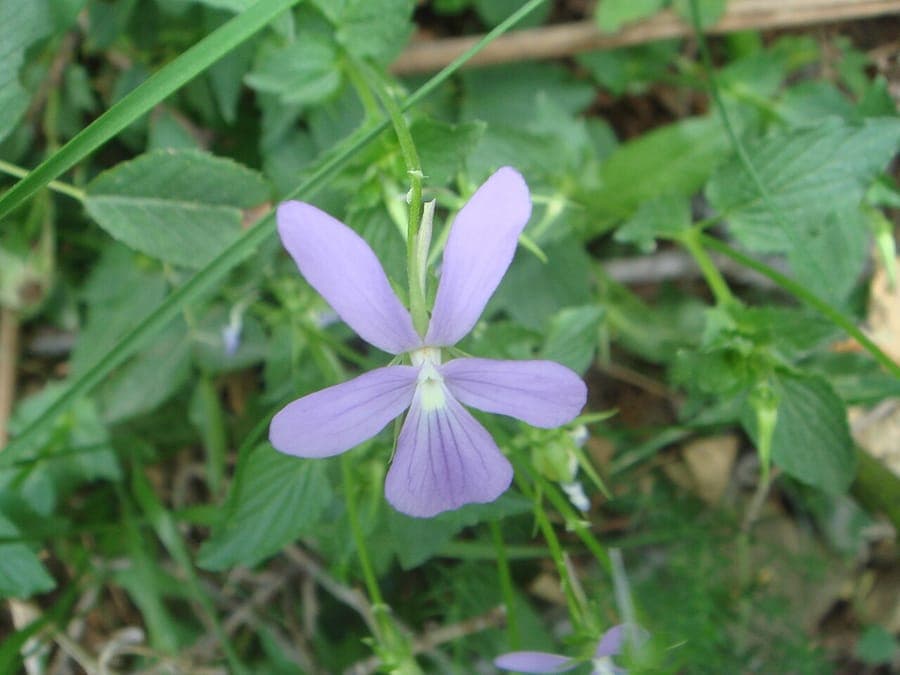
Xemenendura / CC BY 3.0, via Wikimedia Commons
Horned Violet: complete guide
Viola cornuta
¿Quieres ver Horned Violet: complete guide en tu jardín?
1 minuto, sin tarjeta de crédito
Overview
The Horned Violet (Viola cornuta) is a beautiful, long-blooming plant from the Violaceae family, originating from the Pyrenees. This compact plant grows low, typically 15-25 centimeters tall, and naturally forms dense cushions. The Horned Violet is renowned for its beautiful colored flowers and extended blooming period that can last nearly the entire year with proper care. The flowers vary from purple, blue, white, to yellow with numerous cultivars in various color combinations.
This versatile violet is popular for borders, groundcover, containers, and edging. With its long blooming period and attractive flowers, it provides value for many garden styles. This article provides complete instructions for successfully cultivating and maintaining the Horned Violet.
Appearance and Bloom Cycle
The Horned Violet grows as a compact plant with dark green foliage and numerous flowers. The leaves are small, oblong in shape, and form dense groups. Characteristic of the plant are the beautiful flowers with five petals featuring a distinct spur (horn) at the back of the flower, hence the name.
Flowers appear from April through October or even year-round in mild climates. Each flower measures about 2-3 centimeters across and is available in many colors: purple, blue, white, yellow, and multicolor. The nearly continuous flower production makes it highly valuable for extended color periods in the garden.
Ideal Location
Plant the Horned Violet in locations receiving abundant sunlight to partial shade. The plant thrives best with at least 4-5 hours of direct sunlight daily. In very hot climates, light afternoon shade offers benefits. The plant can also grow reasonably well in partial shade, although this may result in reduced flowering.
The Horned Violet is perfect for borders, scree areas, pathways, containers, and as edging. Thanks to its compact growth, it is also suitable for hanging baskets and cascading effects in gardens. Plant it densely for full effects.
Soil Requirements
The Horned Violet thrives best on well-draining, nutrient-rich soil. The plant grows well on slightly acidic to neutral soils with a pH of 6.0 to 7.5. A soil with good nutrients promotes better flowering. When planting, add abundant compost or garden soil.
When planting, add well-rotted compost for improved growth. In containers, use a mixture of 60% multipurpose potting soil and 40% compost. Ensure good drainage with holes in the bottom of pots.
Diseño gratis
¿Quieres ver Horned Violet: complete guide en tu jardín? Crea un diseño gratis ahora.
Watering
Water the Horned Violet regularly, especially during the growing and blooming seasons. The plant enjoys moist soil but not waterlogging. Water when the soil surface feels dry to the touch. During the growing season, water consistently to stimulate flowering.
During hot periods, daily watering may be necessary. Avoid water stagnation. In winter, watering can be significantly reduced. For potted plants, regularly check that the soil remains adequately moist. Provide consistent watering without creating wet spots.
Pruning
The Horned Violet benefits strongly from regular deadheading. Remove spent flowers frequently to significantly extend the blooming period. This deadheading practice is highly beneficial: a Horned Violet that is regularly deadheaded can bloom nearly year-round.
After summer, the plant can be gently cut back to maintain compact form. Light pruning helps keep the plant bushy. Do not prune too heavily as this can reduce flowering.
Maintenance Calendar
- January-February: Preparation, remove dead parts.
- March-April: Growing season begins, water regularly, start deadheading.
- May-June: Peak bloom, deadhead regularly.
- July-August: Continuous blooming, water regularly, can prune back.
- September-October: Blooming continues, continue deadheading.
- November-December: Blooming may decline, water less.
Winter Hardiness
The Horned Violet is hardy to approximately -10 degrees Celsius and suitable for temperate climates (USDA zones 6-9). In cold regions, winter protection can be beneficial. However, the plant can usually recover well in spring.
In very wet winters, problems can arise if the plant becomes waterlogged. Good drainage is essential. Potted plants can be better protected by placing them under shelter in winter.
Companion Plants
Combine the Horned Violet with other flowering plants for attractive borders. Good combinations include:
- Other viola species - different colors and heights
- Phlox - complementary bloom periods
- Sage - herbal texture contrast
- Lavender - fragrance and color
- Sedum - structural contrast
Plant these combinations close together. Ensure all plants have similar watering needs. Discover more ideas on gardenworld.app.
Closing
The Horned Violet is an excellent choice for gardeners who want long-lasting color. With its beautiful flowers and nearly continuous bloom, it brings years of pleasure. Plant it everywhere you want lasting flowers. With regular deadheading, you can enjoy blooms nearly year-round.
Visit your local garden centres for quality plant material. Discover more plant options on gardenworld.app for your next garden project. With proper care, you will enjoy the long-lasting beauty of the Horned Violet.
¿Quieres ver Horned Violet: complete guide en tu jardín? Crea un diseño gratis ahora.
Sube una foto, elige un estilo y obtén un diseño fotorrealista con lista de plantas en menos de un minuto.
Más de 10.000 jardines diseñados
Sin tarjeta de crédito


Plantas similares
Woodland white violet: complete guide
Viola blanda
Discover the woodland white violet (Viola blanda), a fragrant North American groundcover for shady gardens. Site, soil, and care covered in full.
Canada violet: complete guide
Viola canadensis
Learn to grow the Canada violet (Viola canadensis), a tall, fragrant woodland violet for shade borders. Site, soil, pruning, and hardiness explained.
Mont Cenis violet: complete guide
Viola cenisia
Grow the Mont Cenis violet (Viola cenisia), an alpine cushion plant from the Alps for rock gardens and troughs. Site, soil, and hardiness explained.