
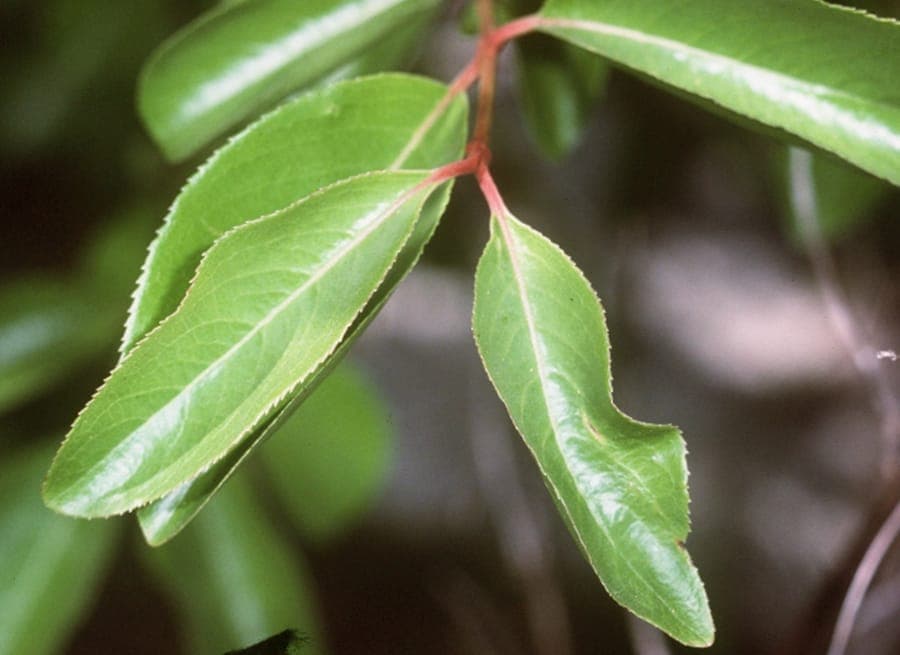
Robert H. Mohlenbrock. USDA SCS / Public domain, via Wikimedia Commons
Viburnum prunifolium: complete guide
Viburnum prunifolium
¿Quieres ver Viburnum prunifolium: complete guide en tu jardín?
1 minuto, sin tarjeta de crédito
Overview
Viburnum prunifolium, commonly called Black haw or Stagbush, is a superb native North American shrub offering multiple seasonal ornaments. This Viburnaceae family member excels with its beautiful white spring flowers, followed by handsome blue-black autumn berries. The shrub provides year-round interest with flowers, fruit, and striking fall foliage color.
The plant grows as a multi-stemmed shrub, though it can be trained as a small tree. It works excellently as a specimen plant, in naturalistic borders, or as an informal hedge. Birds love the berries, making it invaluable for wildlife gardens. It also attracts numerous insect species.
Appearance and bloom
Viburnum prunifolium grows as a compact, open shrub to small tree, typically 4 to 6 meters tall. Branches are grayish-brown and elegantly smooth. Leaves are oval, finely toothed, and deep green, roughly the size of plum leaves (the source of the botanical name). Fall foliage turns dramatically red to purple before dropping.
Flowers appear in spring (May to early June) in flat, white-laced flower clusters about 10 centimeters across. They possess a gentle, pleasant fragrance. These blooms are highly attractive to bees, bumble bees, and various pollinators.
Berries follow, developing from red through dark purple to ultimately black as they mature. These drupes (8-10 millimeters) form beautiful clusters persisting into October. Birds readily consume the fruit.
Ideal location
Viburnum prunifolium thrives in full sun to dappled shade. A minimum of four hours direct sunlight daily yields optimal flowering. In warmer climates, partial afternoon shade can be beneficial.
The shrub is extremely cold-hardy (USDA zone 3b to 9), easily surviving winters throughout the Netherlands, Belgium, and Germany. It's also wind and air-pollution tolerant.
Soil
Viburnum prunifolium prefers well-draining, neutral to slightly acidic soil with pH 4.8 to 7.5. It's adaptable, thriving in diverse soils from sand to clay, provided drainage is marginally adequate. Prepared, rich soils aren't necessary; indeed, excessive fertility can encourage lush, disease-prone growth.
The plant tolerates moderate drought once established.
Diseño gratis
¿Quieres ver Viburnum prunifolium: complete guide en tu jardín? Crea un diseño gratis ahora.
Watering
Water regularly during establishment until the plant roots thoroughly (4-6 weeks). Thereafter, watering requirements decrease significantly. The shrub prefers slightly drier conditions to permanent moisture. Deep, infrequent watering encourages deep root development.
Mulching around the base aids water retention without waterlogging. Ensure mulch doesn't contact the trunk directly.
Pruning
Minimal pruning is necessary. Remove dead, diseased, or crossing branches. For a more compact form, light pruning after flowering is acceptable. Avoid heavy pruning, which reduces flowering.
The plant naturally assumes an elegant form requiring no forceful training.
Maintenance calendar
Spring (March-April): Inspect for winter damage, perform light pruning if needed.
Late spring (May-June): Enjoy the blooms. Water regularly if dry.
Summer (July-August): Manage water during dry spells. Insects may appear on foliage.
Autumn (September-October): Fall colors emerge. Enjoy berries for birds.
Winter (November-February): Minimal activity. Plant is extremely hardy.
Winter hardiness
Viburnum prunifolium is extremely cold-hardy to zone 3b (-35 degrees Celsius). This makes it an outstanding choice for all but the northernmost European regions. It overwinters easily without supplemental protection. The plant tolerates windy conditions admirably.
Companion plants
Viburnum prunifolium combines beautifully with other North American native shrubs and trees. Plant alongside other Viburnum species, Arrowwood, and Oakleaf Hydrangea for natural aesthetic. It works well as a backdrop for lower-growing flowering plants or as support for climbing vines.
The shrub attracts birds and supports butterfly and insect populations. It's invaluable in wildlife gardens and habitat restoration.
Closing thoughts
Viburnum prunifolium is an underutilized shrub with substantial benefits. White spring flowers, summer foliage, brilliant fall colors, and winter fruit make it year-round interesting. The birds and insects it attracts make it valuable for ecologically-minded gardeners.
Add Black haw to your garden today and enjoy its many charms. For plant sources and cultivars, consult local nurseries or visit gardenworld.app for personalized garden planning. Happy gardening!
¿Quieres ver Viburnum prunifolium: complete guide en tu jardín? Crea un diseño gratis ahora.
Sube una foto, elige un estilo y obtén un diseño fotorrealista con lista de plantas en menos de un minuto.
Más de 10.000 jardines diseñados
Sin tarjeta de crédito


Plantas similares
Squashberry: complete guide
Viburnum edule
Grow mooseberry (Viburnum edule): ultra-hardy North American shrub with fragrant white flowers and red autumn berries. Perfect for boreal gardens. Zone 3.
Witherod: complete guide to this elegant North American shrub
Viburnum cassinoides
Discover Viburnum cassinoides: an elegant North American shrub with white flowers, yellow fall foliage, and blue berries. Perfect for temperate garden zones.
Buddlejaleaf viburnum: complete guide
Viburnum buddleifolium
Elegant evergreen shrub with delicate foliage and white spring flowers. Perfect for sheltered borders in temperate gardens.