
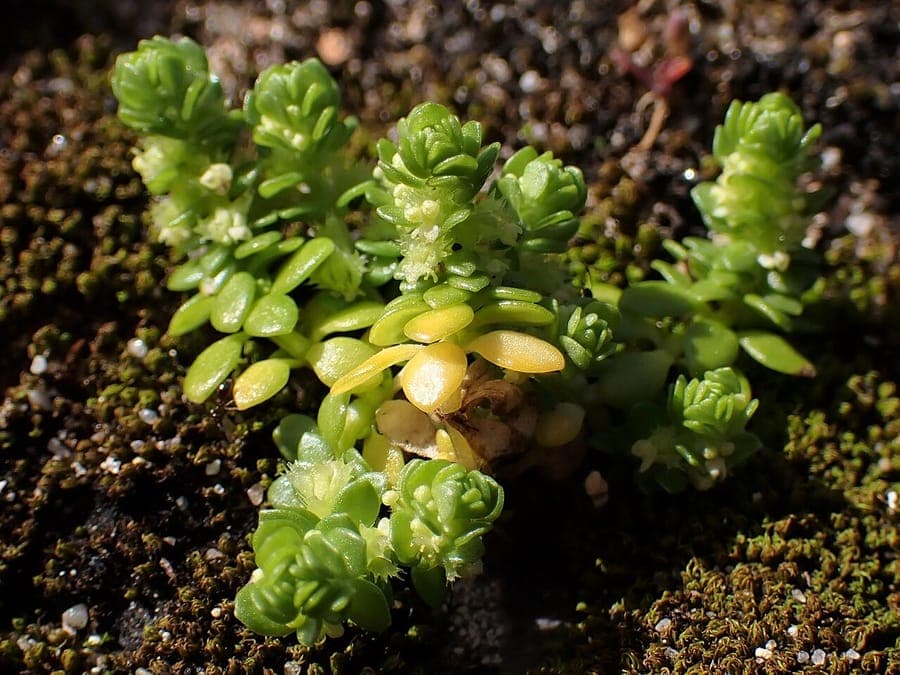
Krzysztof Ziarnek, Kenraiz / CC BY-SA 4.0, via Wikimedia Commons
Valantia muralis: complete guide
Valantia muralis
¿Quieres ver Valantia muralis: complete guide en tu jardín?
1 minuto, sin tarjeta de crédito
Overview
Valantia muralis, commonly known as wall valantia, is a charming plant from the Rubiaceae family native to the Mediterranean region. This small plant grows naturally along stone walls, rocky outcrops, and dry slopes throughout regions from Portugal to Turkey. With its modest size and low maintenance requirements, it's an excellent choice for gardens where heat and drought are dominant conditions.
The plant derives its name from the Latin word 'muralis', meaning 'of walls' - and indeed, you'll find this plant growing naturally against stone walls and rock faces in its native habitat. Thanks to its adaptation to extreme conditions, Valantia muralis is a reliable choice for Mediterranean garden designs on gardenworld.app.
Appearance & Bloom
Valantia muralis is a low ground cover plant that typically reaches only 10-15 centimeters in height. The plant features slender, somewhat reddish stems that spread horizontally across the ground surface. The leaves are small, lance-shaped, and typically green to light yellowish, giving the plant a fine texture in garden design.
Flowers appear in spring through early summer, usually from March to May. These are small, white or very pale pink, and arranged in small clusters along the stems. While individually modest, the numerous flowers together create a delicate floral effect. After flowering, small fruits develop, keeping the plant visually interesting throughout the season.
Ideal Location
Seek out a spot with abundant direct sunlight - Valantia muralis thrives best in full sun. This is essential for compact growth and abundant flowering. While it can tolerate hot afternoon heat, the plant will benefit most from a location receiving at least 6 hours of direct sunlight daily.
The plant is ideal for warm, sunny walls, south-facing slopes, and dry rock faces. It also performs well in rock gardens, between stone crevices, or along gravel pathways. In colder climates, it may need protection against frost, especially during winter.
Soil
Valantia muralis is not particular about soil, but certain preferences exist. The plant thrives best in well-draining soil. Heavy, clay-based, or water-retentive soil should be avoided, as this can cause root rot. Sandy to loamy soil is ideal.
Add mineral-rich materials such as gravel, sand, or tufa stone to improve drainage. The plant is tolerant of poor soils and actually thrives better in less fertile conditions. This makes it an excellent choice for locations where other plants refuse to grow.
Watering
Like most Mediterranean plants, Valantia muralis is very drought-tolerant once established. During the growing period (spring-summer), water regularly but moderately. Ensure the soil dries out slightly between waterings. Overwatering is a much greater risk than underwatering.
After the first growing season, you can significantly reduce watering frequency. During rainy periods, you typically won't need to water at all. During dry summers, occasional watering may be beneficial, especially for young plants.
Diseño gratis
¿Quieres ver Valantia muralis: complete guide en tu jardín? Crea un diseño gratis ahora.
Pruning
Valantia muralis requires minimal pruning. The plant grows naturally compact and doesn't produce wild growth. After flowering, you can remove dead flowers to keep the plant neat and encourage further flowering. This doesn't need to be severe - light deadheading suffices.
If the plant takes up too much space or grows out of shape, you can gently cut it back immediately after flowering. Avoid heavy pruning, as the plant recovers slowly from severe cutting.
Maintenance Calendar
The plant requires minimal maintenance throughout the year. In spring: check soil drainage and remove dead material from winter. In summer: enjoy the blooms and water only during dry periods. In autumn: no specific maintenance required unless you wish to clean up dead material. In winter: protect against wet, freezing conditions in colder climates.
Winter Hardiness
Valantia muralis is moderately hardy. In Mediterranean regions and warmer zones (USDA zones 8-10), the plant survives frost periods without protection. In colder climates (zones 7 and colder), protection may be necessary, especially during hard winters. Plant in sheltered locations or against warm walls for extra protection.
In very cold climates, consider growing the plant in containers so you can move it indoors during winter. Avoid wet conditions around the roots in winter, as this is more dangerous than frost alone.
Companion Plants
Valantia muralis combines well with other Mediterranean drought-tolerant plants. Pair it with Sedum species for interesting textural contrast. Lavandula (lavender) makes an excellent companion from a garden design perspective, with complementary flowers in May-June.
Other good combinations include Sempervivum, Santolina, and low-growing forms of Artemisia. In rock walls or green slopes, Valantia muralis works well with other low-growing wall plants.
Closing
Valantia muralis offers an undeniable choice for gardeners seeking a drought-tolerant, low-maintenance plant for warm, sunny locations. With its Mediterranean charm and minimal upkeep, it fits perfectly into modern dry gardens. Whether you're designing a rock garden or filling the nooks and crannies of a stone wall - Valantia muralis is a plant that quietly yet surely asserts its place.
For living plants in the UK and beyond, specialized garden centers carrying Mediterranean plants and drought-tolerant species stock Valantia muralis. Ask for Wall Valantia or similar Mediterranean ground covers. Design your dream garden with gardenworld.app and see how Valantia muralis brings your design to life!
¿Quieres ver Valantia muralis: complete guide en tu jardín? Crea un diseño gratis ahora.
Sube una foto, elige un estilo y obtén un diseño fotorrealista con lista de plantas en menos de un minuto.
Más de 10.000 jardines diseñados
Sin tarjeta de crédito


Plantas similares
Oregon bedstraw: complete guide
Galium oreganum
Everything about Oregon bedstraw (Galium oreganum): shade planting, soil requirements, care and use as a low groundcover in woodland and shade gardens.
Awned woodruff: complete guide
Asperula aristata
Full guide to growing Asperula aristata, the awned woodruff: sunny location, alkaline soil, minimal watering, and companion plants for dry or rock gardens.
Purple woodruff: complete guide
Asperula purpurea
Full guide to Asperula purpurea, purple woodruff: sunny sites, chalky soil, watering, pruning, winter hardiness and companion plants for rock and dry gardens.