
Alex Popovkin / CC BY 2.0, via Wikimedia Commons
Gibba bladderwort: complete guide
Utricularia gibba
¿Quieres ver Gibba bladderwort: complete guide en tu jardín?
1 minuto, sin tarjeta de crédito
Overview
The gibba bladderwort (Utricularia gibba), also called dwarf bladderwort, is one of the most sophisticated carnivorous plants in existence. Native to tropical and subtropical regions from Africa to India and the Americas, what makes this tiny wonder special? It has microscopic "leaves" - bladders - that suck animals directly from water. A raw, scientific masterpiece of evolution.
Appearance & bloom
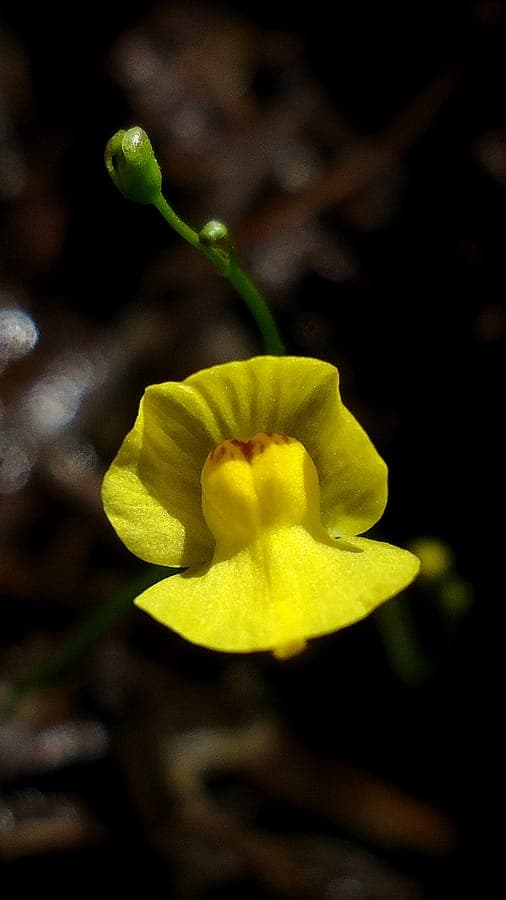
Gibba bladderwort is tiny, often no larger than 5-10 centimeters. The plant consists of fine green stems without obvious leaves. The characteristic "bladders" - measured in millimeters - serve as tiny traps. Flowers are small and yellow, appearing above water during growing season. Watching how this plant reproduces is absolutely fascinating.
Ideal location
This plant thrives in aquaria or wetland environments like bog gardens. Place it in clear, shallow water with abundant light - at least 4-6 hours daily. It develops best in ponds or specialized aquaria configured for aquatic plants. Sunny is good, but excessive direct sunlight can promote algae.
Soil
Gibba needs no actual soil - it floats in water. However, in aquaria, pure sand or peat moss can help as anchoring material. The plant derives nutrition from water itself and tiny creatures it hunts. No supplemental feeding required.
Diseño gratis
¿Quieres ver Gibba bladderwort: complete guide en tu jardín? Crea un diseño gratis ahora.
Watering
This plant lives in water, so "watering" means: regularly replace part of the water. In aquaria, 25% water change weekly is ideal. Keep water temperature between 20-28°C. The plant is sensitive to chlorine, so use filtered water.
Pruning
Pruning is unnecessary. The plant manages itself naturally. If it becomes overgrown, simply remove part from water. It grows quickly, so you'll need to periodically trim to keep it controlled.
Maintenance calendar
Spring/Summer: Active growth, change water regularly, provide abundant light. Autumn/Winter: Growth slows, reduce water changes, less light needed.
Winter hardiness
Gibba is not cold-hardy and cannot survive temperatures below 15°C. This is a tropical plant requiring warm water year-round. In cold climates, keep indoors in an aquarium.
Companion plants
In aquaria, combine gibba with other aquatic plants: dwarf water lettuce, dwarf pearl, or najas. This creates an interesting aquascape.
Final thoughts
The gibba bladderwort is for true plant enthusiasts - not everyone due to specific requirements. But if you love carnivorous plants and aquascaping, this is a jewel. Learn more on gardenworld.app about water gardens and creating wetland features!
¿Quieres ver Gibba bladderwort: complete guide en tu jardín? Crea un diseño gratis ahora.
Sube una foto, elige un estilo y obtén un diseño fotorrealista con lista de plantas en menos de un minuto.
Más de 10.000 jardines diseñados
Sin tarjeta de crédito


Plantas similares
Zigzag bladderwort: complete guide
Utricularia subulata
Utricularia subulata, a carnivorous aquatic marvel. Discover care requirements, cultivation tips and fascinating hunting mechanisms.
Pinguicula lusitanica: complete guide
Pinguicula lusitanica
Pale butterwort is a fascinating carnivorous plant with sticky leaves and delicate white flowers. Perfect houseplant. Complete care guide and tips here.
Hairy butterwort: complete guide
Pinguicula villosa
Pinguicula villosa is a rare carnivorous plant from subarctic regions with delicate purple flowers. Perfect for bog gardens and wet sites.