
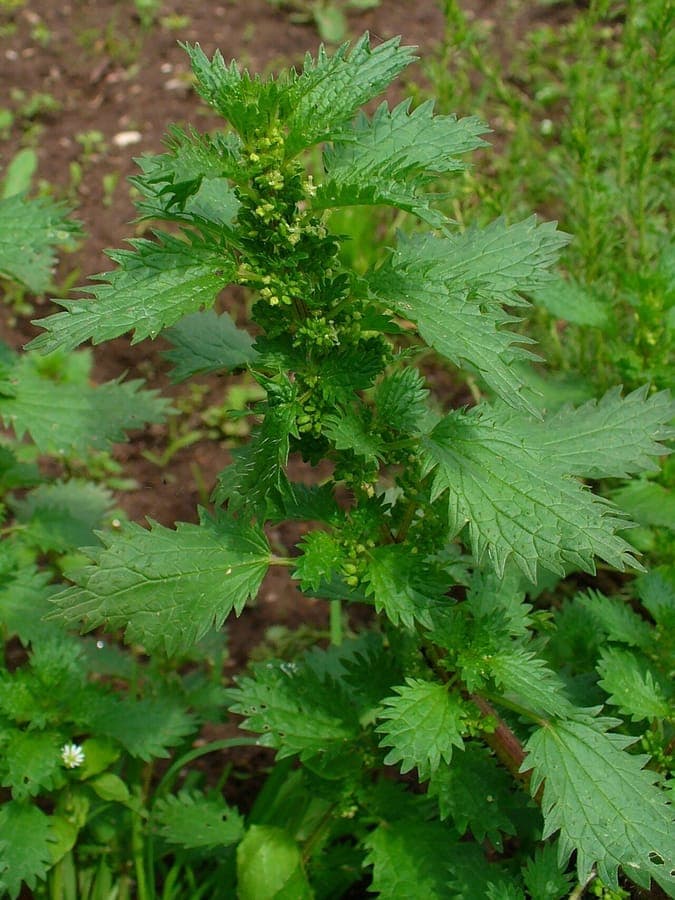
H. Zell / CC BY-SA 3.0, via Wikimedia Commons
Burning nettle: complete guide
Urtica urens
¿Quieres ver Burning nettle: complete guide en tu jardín?
1 minuto, sin tarjeta de crédito
Overview
The burning nettle (Urtica urens) is a fascinating annual variant of the famous nettle family. Also known as 'dwarf nettle' or 'annual nettle', this species grows anew from seed each year. It's smaller than its dioecious cousin (the common nettle), yet equally useful and perhaps even more nutrient-dense.
This plant is naturally at home in temperate Eurasia and tropical Africa. It grows as an annual crop weed in agricultural areas and spreads via self-seeding in gardens. In modern permaculture gardens, people are beginning to re-appreciate this plant because of its rapid growth and intensive nutrition.
Appearance and bloom cycle
Burning nettle reaches only 15-60 cm in height - considerably smaller than common nettle. The stems are square in cross-section and covered with stinging trichomes (hairs). These are just as irritating as those of its larger cousin, despite the smaller plant size.
The leaves are opposite, elliptical to heart-shaped, with strong teeth on the margins. They measure 1-3 cm long - distinctly smaller than those of U. dioica. The leaves feel more intensely 'stinging' due to the density of hairs per unit area.
The flowers are greenish and inconspicuous. Unlike common nettle, this plant produces both male and female flowers on the same plant. This makes self-pollination possible.
Ideal location
Burning nettle grows best in full sun to partial shade. It's less nutrient-demanding than common nettle and grows on poorer soils. In gardens, it often appears on disturbed ground - former flower beds, between paving stones, along roadside verges.
The plant is drought-tolerant and accepts drier locations well. This makes it useful for the drier parts of the garden.
Soil requirements
Burning nettle grows on virtually all soils, but prefers lightly acidic to neutral pH (5-7). It grows on much poorer soils than common nettle - this is actually useful for gardeners who want to harvest wild vegetables on less fertile ground.
Good drainage is important. The plant accepts both sandy and clay soils, but grows better on sandy, well-draining substrates.
Diseño gratis
¿Quieres ver Burning nettle: complete guide en tu jardín? Crea un diseño gratis ahora.
Watering
Young seedlings need regular moisture until they are established. Mature plants are extremely drought-tolerant - they only need extra water during exceptionally dry years.
The plant naturally grows on dry wastelands and field margins where water is limited. In containers, keep conditions on the dry side - the plant tolerates drought better than waterlogging.
Pruning
As an annual plant, regular harvesting of young tops is the best strategy. This keeps the plant compact, stimulates side growth, and ensures continuous harvest. Harvesting before bloom results in tender material.
If you want to save seed for next season, let some plants go fully to seed.
Maintenance calendar
May-June: Sow seed directly in the ground if soil is warm enough, or in pots under glass. July-August: Plants grow quickly. Harvest young tops regularly. September-October: Peak harvest before flowering. Flower spikes emerge. November: Plant dies after first hard frost. Seed is ripe.
Winter hardiness
Burning nettle is not hardy. It's a true annual that dies after first frost. The plant spreads via self-seeding - if you allow seed to ripen, new plants will emerge next spring from fallen seed.
Companion plants
In nutrient-rich vegetable beds, burning nettle grows well as 'unintended' companion to other vegetables. It causes no damage - this is actually beneficial. It also grows well with other nutrient-rich herbs: goosegrass, dandelion, wild pea.
The plant serves as host plant for the same butterflies as common nettle.
Closing
Burning nettle deserves more attention as a useful annual vegetable. It grows faster than common nettle, is more nutrient-dense, and can reach first harvest in just a few weeks. Try young tops cooked like spinach, or raw in salads (careful with the stinging hairs!).
Want to learn more about rapid food cultivation and wild greens? Visit gardenworld.app for more guides. For practical advice on seed saving and plant propagation, consult local garden centers.
Gardenworld.app offers much more about sustainable food production.
¿Quieres ver Burning nettle: complete guide en tu jardín? Crea un diseño gratis ahora.
Sube una foto, elige un estilo y obtén un diseño fotorrealista con lista de plantas en menos de un minuto.
Más de 10.000 jardines diseñados
Sin tarjeta de crédito


Plantas similares
False nettle (Boehmeria cylindrica): complete guide
Boehmeria cylindrica
Full guide to Boehmeria cylindrica, false nettle: origin, appearance, ideal location, soil, watering and care for this wetland perennial.
Pumpwood: complete guide
Cecropia schreberiana
Complete guide to Cecropia schreberiana: origins, appearance, care requirements and growing tips for this tropical pioneer tree.
Laportea canadensis: complete guide
Laportea canadensis
Discover Laportea canadensis (Wood-nettle), a fascinating woodland plant. Thrives in moist shaded areas. Complete growing and care guide for this unique species.