
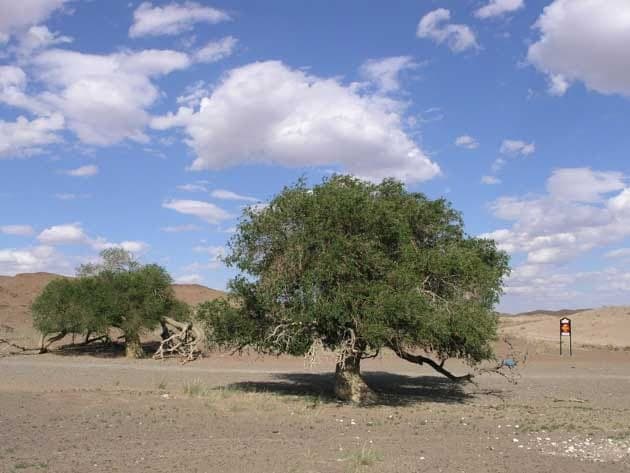
Tiarescott / CC BY-SA 3.0, via Wikimedia Commons
Siberian elm: complete guide
Ulmus pumila
¿Quieres ver Siberian elm: complete guide en tu jardín?
1 minuto, sin tarjeta de crédito
Overview
Siberian elm (Ulmus pumila) is a fast-growing deciduous tree from the elm family (Ulmaceae), native to Central Asia through Southeast Siberia. This winter-hardy tree reaches mature dimensions of 5 to 10 meters and offers elegant, fine foliage. The tree is unusually drought tolerant and excellently suited to urban environments and difficult sites. Through its rapid growth rate, this tree is valuable for landscape restoration and screening.
Appearance and Bloom
Siberian elm displays grey-matte bark and gracefully divided branches. The small, fine leaves (3-8 cm) are vibrant green in summer, creating a light, elegant silhouette. The tree blooms in spring with inconspicuous flowers, followed by small, papery seed capsules (samaras). Autumn color is subtle yellow-green.
Ideal Location
This tree thrives best in full sun locations. Light dappled shade is acceptable but results in slightly thinner foliage. Position the tree where it has ample space to develop its natural form. The tree tolerates wind, light pollution and urban stress remarkably well. This makes an excellent choice for parks, screens and playing fields.
Soil
Siberian elm adapts well to diverse soil types, from sand to clay. The tree tolerates pH values from 5.5 to 8.0 without issue. Poor drainage is not ideal. For optimal growth choose well-mixed, well-draining soil. The tree tolerates salts and drought stress far better than most elms.
Watering
Once established, this tree is highly drought tolerant. During the first year, water regularly. Thereafter, supplemental irrigation is unnecessary in normal rainfall years. During extreme drought, water provision improves growth rate. Avoid waterlogging, as this can induce root rot.
Diseño gratis
¿Quieres ver Siberian elm: complete guide en tu jardín? Crea un diseño gratis ahora.
Pruning
Siberian elm prefers early pruning to establish good tree form. Later pruning should be limited to removing dead, damaged or crossing branches. The tree recovers rapidly from pruning wounds. Avoid very heavy pruning on mature specimens.
Maintenance Calendar
This tree requires minimal maintenance. April-May: Perform formative pruning on young trees. June-August: Monitor for drought-induced dieback in extreme dry periods. September-October: No special measures. November-March: Remove only dead wood. Diseases are unlikely in mixed tree gardens.
Winter Hardiness
Siberian elm is completely winter hardy and experiences no frost damage in temperate and continental climates. The tree tolerates temperatures to -30 degrees Celsius without issues. Young trees may experience minor tip damage in severe winters but recover quickly. This tree is excellent for Northern Europe.
Companion Plants
Siberian elm underplants well with shrubs like Spiraea or Philadelphus. Under the tree, shade-tolerant plants like Hostas and Hellebores thrive. Combine with other drought-loving trees like birches (Betula) for textural contrast. This makes a perfect tree for shelterbelts in open landscapes.
Closing Remarks
Siberian elm is a perfect choice for gardeners seeking a fast-growing, winter-hardy and low-maintenance tree. With its elegant foliage, rapid growth and strong drought tolerance, this tree is invaluable in modern garden designs. Visit gardenworld.app to integrate this tree into your complete landscape plan. Professional nurseries stock these trees. With gardenworld.app, you plan and create your dream garden.
¿Quieres ver Siberian elm: complete guide en tu jardín? Crea un diseño gratis ahora.
Sube una foto, elige un estilo y obtén un diseño fotorrealista con lista de plantas en menos de un minuto.
Más de 10.000 jardines diseñados
Sin tarjeta de crédito


Plantas similares
Dutch elm: complete guide
Ulmus × hollandica
Full guide to Ulmus x hollandica: siting, soil, watering, pruning, Dutch elm disease management, and companion plants for this majestic hybrid elm.
Ulmus thomasii: complete guide
Ulmus thomasii
The cork elm is a North American deciduous tree with distinctive corky branches and elegant leaves. Discover how to cultivate and maintain this durable tree.
Caucasian zelkova: complete guide
Zelkova carpinifolia
Discover Zelkova carpinifolia, the elegant Caucasian elm. Growing guide and care tips for landscapers.