
Ronnie Nijboer / CC0, via Wikimedia Commons
Ulmus parvifolia: complete guide
Ulmus parvifolia
¿Quieres ver Ulmus parvifolia: complete guide en tu jardín?
1 minuto, sin tarjeta de crédito
Overview
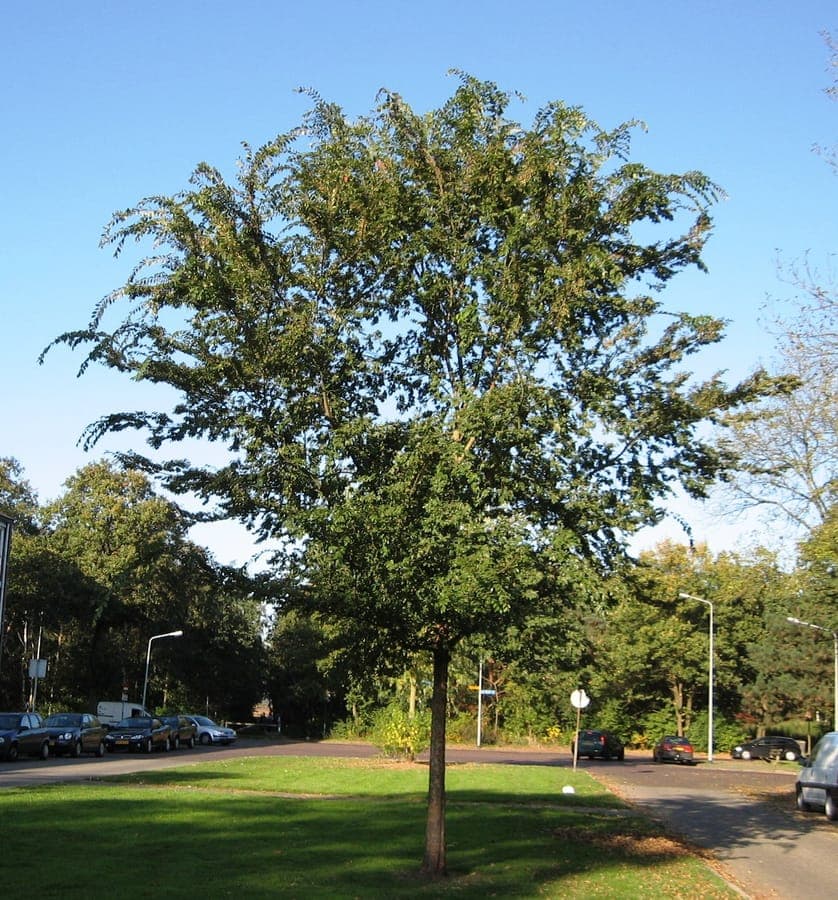
Ulmus parvifolia, known as Chinese elm, lacebark elm or Japanese elm, is an elegant, slow-growing tree from China, Japan and Korea. This species from the Ulmaceae family is valued for its fine foliage, colored bark and compact growth. With its small, glossy leaves and natural bonsai-like form, it is ideal for container cultivation, small gardens and bonsai enthusiasts.
Appearance and growth
The Chinese elm reaches a height of 10 to 15 meters under normal conditions, although it is usually kept much smaller through pruning. The tree grows slowly to moderately, about 30 centimeters per year. The leaves are very small, lance-shaped, glossy dark green, much smaller than other elm species. The bark is beautifully colored: gray, orange, red and cream with shadowy patterns. This bark peels and sheds in patches, creating a very decorative effect.
Ideal location
The Chinese elm prefers brightness, at least six hours of direct sunlight daily, although it tolerates light shade. In very warm climates, some afternoon shade helps. The tree is sensitive to frost; it prefers locations where temperatures do not drop below -5 to -10 degrees Celsius. In cold climates, it is best grown in containers and brought indoors in winter.
Soil
The Chinese elm prefers well-draining, fertile soil with a pH between 6.0 and 7.5. In containers use quality potting soil with good drainage. Sandy to loamy soil with compost is ideal. Add perlite for better drainage in heavy soils. The tree tolerates dry soils less well than other elm species; regular watering is essential.
Watering
Watering is critical for Chinese elm. Water regularly during the growing season (April to October), ensuring the soil does not dry out completely. In containers water daily in warm weeks. Reduce winter watering, but do not stop. Prefer rainwater or filtered water; hard water can cause leaf discoloration. Consistent moisture without waterlogging is ideal.
Diseño gratis
¿Quieres ver Ulmus parvifolia: complete guide en tu jardín? Crea un diseño gratis ahora.
Propagation and feeding
The Chinese elm can be propagated via seeds (slow) or semi-ripe cuttings in summer. Feeding is important; apply monthly feeding during the growing season with balanced feed. Potassium promotes flowering (small yellow flowers appear in autumn). Avoid nitrogen-heavy feed; this promotes weak growth.
Pruning and shaping
Pruning is essential for shape and size management, especially in containers. Regular pruning in growing period promotes dense, compact growth. For bonsai frequent pinching and pruning. Remove water shoots immediately. As bonsai: prune in growing season and wire for shape. Young growth is flexible and easy to shape.
Maintenance calendar
- March to April: First pruning, start feeding
- April to October: Growing period, regular water and feeding
- October to November: Reduce feeding, flowers appear
- December to February: Rest period, minimal water
- February to March: Preparation for new season
Winter protection
In cold areas, winter protection is essential. Bring containers indoors in a light, cool room (5-10 degrees C). Outside-planted trees protect with burlap and mulch around the base. In very cold regions (below -15 C), the tree may die; container cultivation is safer. Water sparingly in winter.
Diseases and pests
The Chinese elm is relatively free from serious diseases. Aphids and spider mites can occur, especially in indoor conditions. Inspect regularly and treat with insecticide if needed. Good air circulation helps prevent pests. The tree is not susceptible to Dutch elm disease.
Bonsai potential
The Chinese elm is a popular bonsai choice due to its fine leaves, compact growth and tolerance for pruning. It responds well to wiring for shape. Regular repotting needed (annually). Small, decorative pots emphasize the elegant form.
Closing
Ulmus parvifolia offers elegance, compact growth and refinement for containers and small gardens. With regular watering, good sunlight and minimal maintenance, you enjoy years of this fine tree. Plant this Asian beauty via gardenworld.app and bring refinement to your garden!
¿Quieres ver Ulmus parvifolia: complete guide en tu jardín? Crea un diseño gratis ahora.
Sube una foto, elige un estilo y obtén un diseño fotorrealista con lista de plantas en menos de un minuto.
Más de 10.000 jardines diseñados
Sin tarjeta de crédito


Plantas similares
Dutch elm: complete guide
Ulmus × hollandica
Full guide to Ulmus x hollandica: siting, soil, watering, pruning, Dutch elm disease management, and companion plants for this majestic hybrid elm.
Ulmus thomasii: complete guide
Ulmus thomasii
The cork elm is a North American deciduous tree with distinctive corky branches and elegant leaves. Discover how to cultivate and maintain this durable tree.
Caucasian zelkova: complete guide
Zelkova carpinifolia
Discover Zelkova carpinifolia, the elegant Caucasian elm. Growing guide and care tips for landscapers.