
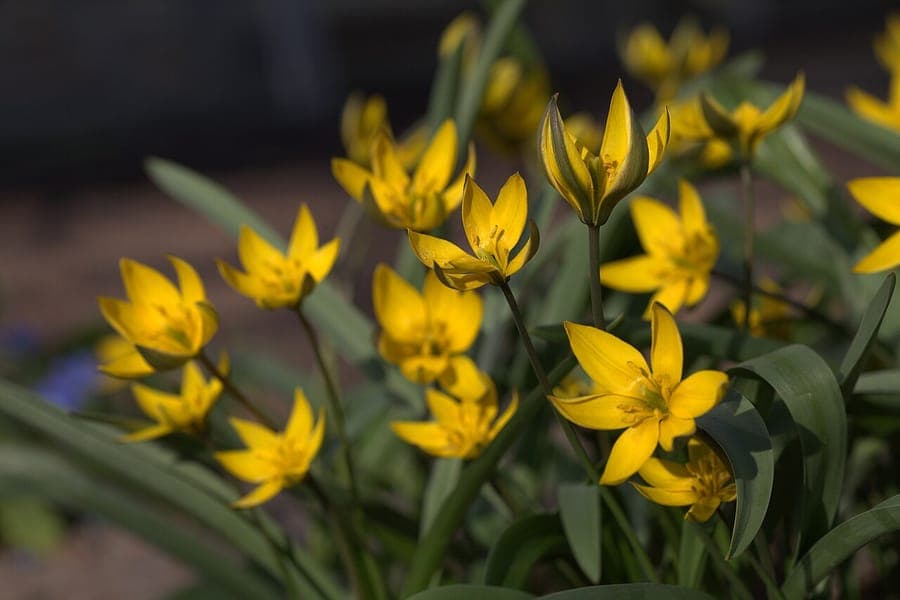
Averater / CC BY-SA 3.0, via Wikimedia Commons
Tulipa dasystemon: complete guide
Tulipa dasystemon
¿Quieres ver Tulipa dasystemon: complete guide en tu jardín?
1 minuto, sin tarjeta de crédito
Overview
Tulipa dasystemon is a rare and enchanting small bulb from the mountain ranges of Central Asia. This diminutive tulip earned its name from distinctive hair-like filaments on its stamens - 'dasystemon' literally means 'hairy stamens'. Standing merely 10-15 centimeters tall with blooms that rarely exceed 5 centimeters, this species tulip brings an ethereal quality to any garden. It flowers in March to April, making it one of the earliest performers in spring beds.
Appearance & Bloom
The flowers display soft pale yellow petals with subtle white and cream tones, creating a luminous quality. Petals have the pointed-oval shape characteristic of wild tulip species. The plant is a true miniature, rarely exceeding 15 centimeters in height. Buds close at dusk and open with morning sunlight, creating a natural rhythm in the garden. The blooms persist for 2-3 weeks under favorable conditions.
Ideal Location
Place in full sun to partial shade with minimum four hours of direct sunlight daily. This tulip thrives in raised beds and rock gardens where drainage is excellent. Group 10-15 bulbs together for striking visual impact. Excellent for container culture on sunny patios or alpine troughs.
Soil
Well-draining soil is absolutely essential - this plant abhors wet feet. Create a mix of garden soil, coarse sand, and grit. Neutral to slightly alkaline pH is preferred. For container growing use alpine potting mix with added perlite. Drainage is non-negotiable for success.
Diseño gratis
¿Quieres ver Tulipa dasystemon: complete guide en tu jardín? Crea un diseño gratis ahora.
Watering
Water thoroughly after planting. During the growing season, water moderately - only when soil feels dry. Reduce watering once flowering finishes. The plant becomes quite drought-tolerant once established. Avoid overwatering which causes bulb rot.
Pruning
Remove spent flowers gently but leave the stem and foliage intact. Allow leaves to mature for 3-4 weeks after flowering so the bulb can store energy for next season. Only remove foliage when it yellows naturally.
Maintenance Calendar
Autumn: Plant bulbs October-November at twice the bulb height. Winter: Protect young shoots from extreme frost damage. Spring: Feed monthly with bulb fertilizer. Summer: Allow foliage to completely senesce naturally. Post-bloom: Dig and store bulbs for replanting.
Winter Hardiness
Very hardy to -20°C, requiring 10-12 weeks of cold for proper flowering. This plant needs genuine winter conditions and thrives throughout northern European climates.
Companion Plants
Pair with other early bulbs like crocuses and snowdrops. Low-growing alpine plants such as saxifrage and sedges complement perfectly. Avoid vigorous neighbors that might shade this delicate bloom.
Closing
Tulipa dasystemon brings a genuinely unique quality to spring gardens through its refined miniature stature and exquisite flowers. This remarkable Asian tulip species rewards careful placement with years of reliable flowering. Learn more plant guides at gardenworld.app and design your dream garden. Discover numerous resources at gardenworld.app today!
¿Quieres ver Tulipa dasystemon: complete guide en tu jardín? Crea un diseño gratis ahora.
Sube una foto, elige un estilo y obtén un diseño fotorrealista con lista de plantas en menos de un minuto.
Más de 10.000 jardines diseñados
Sin tarjeta de crédito


Plantas similares
Reverchon's gagea: complete guide
Gagea reverchonii
Full guide to Gagea reverchonii, Reverchon's gagea: rare Pyrenean bulb with bright yellow spring flowers, soil needs and companion planting.
Leafy gagea: complete guide
Gagea foliosa
Gagea foliosa is a rare Mediterranean bulb with bright yellow star-shaped flowers blooming February to March in well-drained rocky settings.
Tubular gagea: complete guide
Gagea fragifera
Gagea fragifera is a mountain bulb with golden-yellow star flowers blooming May to July on subalpine slopes from Europe to the Himalaya.