
Wikimedia Commons / CC BY-SA 3.0, via Wikimedia Commons
Triglochin palustris: complete guide
Triglochin palustris
¿Quieres ver Triglochin palustris: complete guide en tu jardín?
1 minuto, sin tarjeta de crédito
Overview
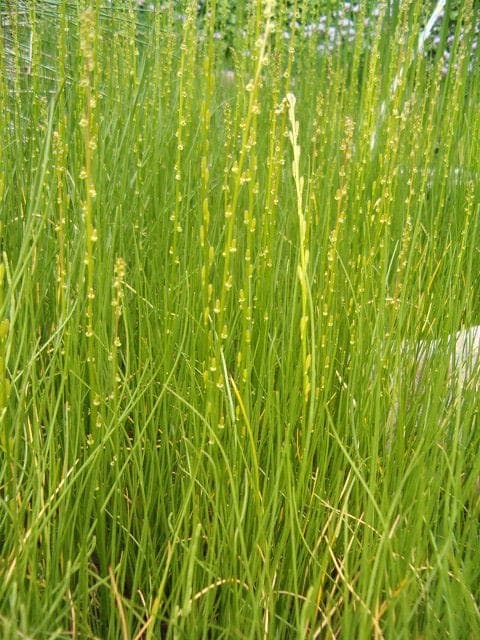
Triglochin palustris, commonly known as marsh arrow-grass, is a remarkable wetland plant that thrives in marshy and wet environments. This delicate plant features narrow, erect leaves and distinctive arrow-shaped fruits that make it instantly recognizable. Native to subarctic and temperate zones across the Northern Hemisphere, it naturally colonizes shallow waters and waterlogged soils. The plant's subtle beauty and ecological value make it an excellent choice for water gardens and naturalistic wetland landscapes. Growing slowly but steadily, Triglochin palustris adds year-round structure and seasonal interest to wet habitats.
Appearance and Bloom
Marsh arrow-grass grows 30-60 cm tall with narrow, stiffly erect leaves emerging from the base. The plant produces inconspicuous flowers from July to August, but its real charm lies in the distinctive arrow-shaped fruits that follow. These fruits are a botanical marvel, displaying the characteristic three-pointed form that gives the plant its common name. The overall texture is fine and delicate, creating an elegant vertical accent in the garden. The plant remains dormant during winter.
Ideal Location
Triglochin palustris performs best in shallow waters and along pond margins, ditches, and marshy areas. The plant requires full sun to partial shade for optimal growth. Position it where water consistently reaches around 5-20 cm depth. While designed for aquatic environments, it can grow in consistently moist garden soils. The plant is extremely hardy and can tolerate permanent inundation and harsh climates.
Soil
Moist, peaty soils are ideal for marsh arrow-grass. The plant thrives in clay or silty substrates that retain moisture excellently. For improved results, incorporate peat moss or coir into standard garden soil to enhance water retention. The soil pH should range from acidic to neutral (pH 5.0-7.0). Well-incorporated organic matter significantly improves marshy soil structure and plant performance.
Diseño gratis
¿Quieres ver Triglochin palustris: complete guide en tu jardín? Crea un diseño gratis ahora.
Watering
Traditional watering is unnecessary for this species. Instead, ensure permanent or near-permanent moisture around the plant. Position Triglochin palustris in ponds or exceptionally damp locations where water retention is guaranteed. Maintain a consistent water level of at least 5 cm around the plant during the growing season. Winter water levels can be slightly lower, but the soil must never fully dry out.
Pruning
Marsh arrow-grass requires minimal pruning. Remove dead leaves and stems in spring after winter dormancy ends. This promotes healthy new growth and improves plant appearance. Allow fruits to remain on the plant as they provide structure and food for wildlife. Only remove damaged or diseased material.
Maintenance Calendar
Spring (March-May): Remove dead foliage. Check water levels. Initiate active growth. Summer (June-August): Monitor water levels regularly. Observe flower and fruit development. Autumn (September-October): Adjust water management as growth slows. Winter (November-February): Minimal maintenance required. Plant is fully dormant.
Winter Hardiness
Triglochin palustris is exceptionally hardy, withstanding temperatures well below freezing. Being native to subarctic regions, it evolved specifically for extreme cold. Even harsh winters pose no threat provided the root zone remains unfrozen. The plant withdraws completely in winter and re-emerges vigorously in spring.
Companion Plants
Marsh arrow-grass grows beautifully alongside other wetland species including sweet flag (Acorus), marsh marigold (Caltha), and reed (Phragmites). For freshwater marshes, combine with sedge (Carex) and goldenrod varieties. The fine-textured foliage contrasts attractively with broader-leaved companions. Avoid aggressive growers that might overwhelm this delicate species.
Conclusion
Triglochin palustris is a wonderful addition to water gardens and natural wetland ecosystems. Its minimal care requirements and fascinating botanical details make it perfect for transforming wet areas into thriving, ecological landscapes. Purchase your plant from specialized water plant retailers. Find more inspiration at gardenworld.app/en.
With proper planting, you will enjoy this elegant marsh arrow-grass year after year. Visit gardenworld.app/en for additional garden design ideas.
¿Quieres ver Triglochin palustris: complete guide en tu jardín? Crea un diseño gratis ahora.
Sube una foto, elige un estilo y obtén un diseño fotorrealista con lista de plantas en menos de un minuto.
Más de 10.000 jardines diseñados
Sin tarjeta de crédito


Plantas similares
Acer pycnanthum: complete guide
Acer pycnanthum
Acer pycnanthum, the Japanese swamp maple, is a fast-growing tree with early red flowers and brilliant autumn color, ideal for damp garden settings.
Freeman maple: complete guide
Acer × freemanii
Everything about the Freeman maple (Acer x freemanii): a fast-growing shade tree with spectacular autumn colour for large gardens.
Silver vine: complete guide
Actinidia polygama
Discover silver vine (Actinidia polygama): a hardy climbing plant with silvery foliage, loved by gardeners and cats alike.