
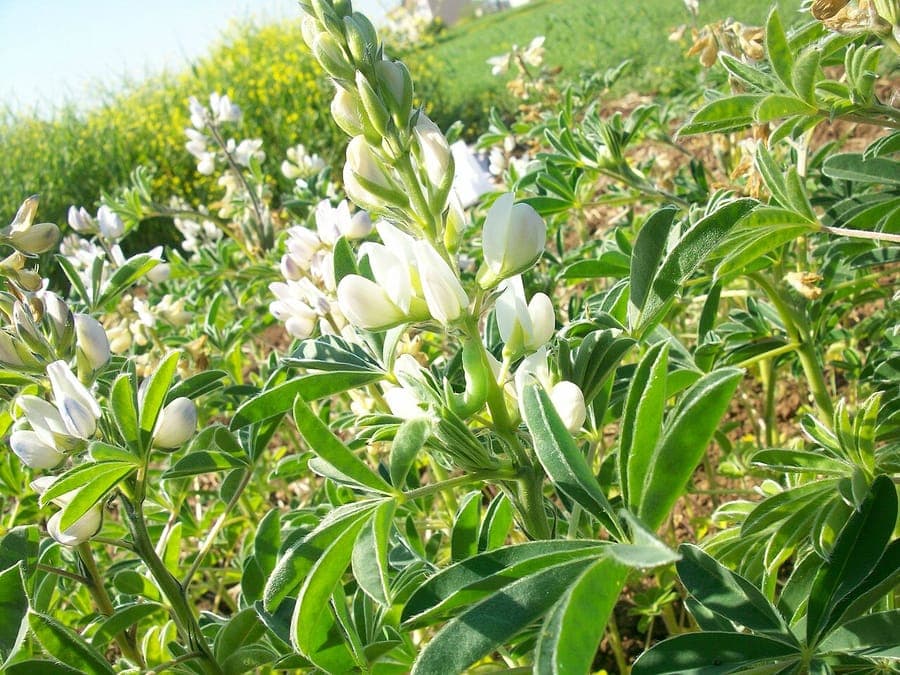
Surn / CC BY-SA 4.0, via Wikimedia Commons
Spanish lemon thyme: complete guide
Thymus baeticus
¿Quieres ver Spanish lemon thyme: complete guide en tu jardín?
1 minuto, sin tarjeta de crédito
Overview
Thymus baeticus, commonly known as Spanish lemon thyme, is a delightful compact herb garden classic hailing from the warm mountain regions of southern Spain. This plant belongs to the Lamiaceae family, the same family as mints and lavender. With its tiny, densely-packed foliage and delicate flowers, it is a true beauty for sunny gardens. The plant grows low and compact, perfect for borders, groundcovers, and patios. The gentle lemon aroma of the leaves makes it also interesting for culinary use.
Appearance and bloom
Thymus baeticus forms a dense, semi-woody shrublet usually not exceeding 10-15 cm in height. The leaves are extremely small, fine and needle-like, with a light grey-green color. Flowers appear in late spring through summer (May-July) in tiny, dense flower heads. They range in color from pink to purple, with occasional white variations. Each flower is small but numerous, making the whole plant very decorative. The plant reaches its full beauty after the second growing season.
Ideal location
Choose a spot with plenty of sun - at least 6 to 8 hours of direct sunlight daily. Thymus baeticus grows best in full sun locations, though it can also manage reasonably well with light dappled shade. Ensure the spot does not become too wet and has good air circulation. Avoid windy locations where the plant can desiccate. In warmer regions, some afternoon shade may be beneficial.
Soil
The soil must be well-draining - this is crucial. Sand, potting soil mixed with sand or gravel works excellently. Thymus baeticus dislikes wet feet, so ensure good drainage. A neutral to slightly acidic pH is ideal. Add some organic material, but not excessive feeding. The plant actually thrives best on poor soils.
Diseño gratis
¿Quieres ver Spanish lemon thyme: complete guide en tu jardín? Crea un diseño gratis ahora.
Watering
Once established, Thymus baeticus is extremely drought-tolerant. Water sparingly during the growing season, especially during dry spells. In winter, virtually no water is needed. Check that the soil is thoroughly dry between waterings. Too much water is more harmful than too little. With container cultivation, water more frequently, but always ensure good drainage holes.
Pruning
After the flowering period (August-September), prune gently to keep the plant compact and dense. Trim about one-third of the annual growth. This promotes branching and prevents aging. Avoid heavy cutting into old wood. A light prune in spring is also possible, but not essential.
Maintenance calendar
FEBRUARY-MARCH: Inspect the plant for winter damage. APRIL-MAY: Bloom begins, minimal feeding needed. JUNE-JULY: Peak bloom, enjoy fragrance and color. AUGUST-SEPTEMBER: After flowering, prune gently. OCTOBER-NOVEMBER: Prepare for winter, establish drought tolerance. DECEMBER-JANUARY: Keep quiet, minimal water.
Winter hardiness
Thymus baeticus is winter-hardy in zones 8-11 (minimum -10 to -15 degrees Celsius). In colder winter regions, frost damage may occur, particularly with young plants. Ensure good drainage to prevent root rot in winter. In very cold areas, protection with dry leaves or twigs helps. With container cultivation, the plant can be moved indoors.
Companion plants
Thymus baeticus combines beautifully with other Mediterranean plants: lavender, rosemary, sage and santolina. For groundcover, works well with sedum species. In container cultivation: pair with silver-foliaged plants like artemisia or senecio. Also lovely with stones and gravel as surround.
Closing
Spanish lemon thyme is a sovereign choice for those wanting drought-tolerant, fragrant gardens. With minimal care, it grows into a beautiful, fragrant layer. Find it at Intratuin or Gamma, and add it to your gardenworld.app designs for authentic Mediterranean beauty. Explore more gardenworld.app garden designs for inspiration!
¿Quieres ver Spanish lemon thyme: complete guide en tu jardín? Crea un diseño gratis ahora.
Sube una foto, elige un estilo y obtén un diseño fotorrealista con lista de plantas en menos de un minuto.
Sin tarjeta de crédito


Plantas similares
Apple mint (Mentha x villosa): complete guide
Mentha x villosa
Meet apple mint (Mentha x villosa): a fruity-scented kitchen herb with woolly leaves, perfect for tea and mojitos.
Salvia peyronii: complete guide
Salvia peyronii
Discover Salvia peyronii, a rare Lebanese mountain sage. Growing tips, hardiness, and companion planting for a Mediterranean gravel garden.
Bigleaf mint (Mentha x rotundifolia): complete guide
Mentha x rotundifolia
Discover bigleaf mint: cultivation, care tips, and garden uses. Learn how to grow this aromatic herb with soft, hairy leaves.