
Wikimedia Commons / CC BY-SA 3.0, via Wikimedia Commons
Cat Thyme: complete guide
Teucrium marum
¿Quieres ver Cat Thyme: complete guide en tu jardín?
1 minuto, sin tarjeta de crédito
Overview
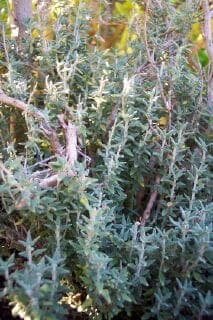
Cat Thyme (Teucrium marum), also called Cat Germander, is a compact Mediterranean herbaceous shrub from the Lamiaceae family. Native to West and Central Mediterranean regions, particularly Corsica and Sardinia, this aromatic herb is popular in Mediterranean gardens and wildlife schemes. The plant attracts bees, butterflies, and beneficial insects.
Appearance and Bloom
Cat Thyme grows as a compact mound reaching approximately 40-60 centimeters high with dense leafy stems. Small, dark green leaves have fine texture and aromatic fragrance. From May through August, beautiful purple flowers appear in dense clusters. Flowers attract pollinators and provide excellent nectar.
Ideal Location
This plant thrives in full sun conditions. Position in sunny locations receiving minimum 8 hours of direct sunlight. Cat Thyme tolerates partial shade but flowers less prolifically. An open, airy location prevents fungal disease development.
Soil
Cat Thyme prefers acidic to very acidic soils with pH 5.0-5.5. Well-draining soil is essential for healthy growth. Poor, stony soils are well tolerated. Heavy clay soils require amendment with sand and compost.
Watering
Water regularly after planting until established. Mature plants are drought tolerant and need minimal water. In warm periods, weekly watering suffices. Excess moisture must be avoided to prevent root rot.
Diseño gratis
¿Quieres ver Cat Thyme: complete guide en tu jardín? Crea un diseño gratis ahora.
Pruning
Light pruning after flowering maintains compact form. Remove dead or damaged branches year-round. After harsh winters, some frost damage may occur. Careful pruning encourages strongest regrowth.
Maintenance Calendar
March-April: Light pruning, stimulate new growth. May-August: Flowering period, water regularly. September-October: Seed maturation, harvest for birds. November-February: Winter dormancy, minimal care.
Winter Hardiness
Cat Thyme is frost sensitive and suitable only for USDA zones 8-9 (minimum -12 to -7 degrees Celsius). In colder regions, grow in containers and overwinter indoors. Wind protection is beneficial.
Companion Plants
Pairs well with other Mediterranean herbs including Lavender, Rosemary, Thyme, and Santolina. These combinations create beautiful Mediterranean effects and serve bees and butterflies.
Conclusion
Cat Thyme brings Mediterranean beauty and aromatic fragrance to dry garden areas. Grow in containers in colder climates. Purchase young plants from garden centers. Perfect for xeriscaping and wildlife gardens.
Visit gardenworld.app/en for additional Mediterranean plant ideas and gardenworld.app/en for garden design assistance.
¿Quieres ver Cat Thyme: complete guide en tu jardín? Crea un diseño gratis ahora.
Sube una foto, elige un estilo y obtén un diseño fotorrealista con lista de plantas en menos de un minuto.
Más de 10.000 jardines diseñados
Sin tarjeta de crédito


Plantas similares
Apple mint (Mentha x villosa): complete guide
Mentha x villosa
Meet apple mint (Mentha x villosa): a fruity-scented kitchen herb with woolly leaves, perfect for tea and mojitos.
Salvia peyronii: complete guide
Salvia peyronii
Discover Salvia peyronii, a rare Lebanese mountain sage. Growing tips, hardiness, and companion planting for a Mediterranean gravel garden.
Bigleaf mint (Mentha x rotundifolia): complete guide
Mentha x rotundifolia
Discover bigleaf mint: cultivation, care tips, and garden uses. Learn how to grow this aromatic herb with soft, hairy leaves.