
Zeynel Cebeci / CC BY-SA 4.0, via Wikimedia Commons
Telekia speciosa: complete guide
Telekia speciosa
¿Quieres ver Telekia speciosa: complete guide en tu jardín?
1 minuto, sin tarjeta de crédito
Telekia speciosa, commonly known as yellow oxeye or telekia, is an impressive, architectural perennial belonging to the Asteraceae family. This remarkable plant performs best along water margins, in large borders, or as part of an exotic garden composition. With its gigantic, heart-shaped leaves and large clusters of brilliantly yellow flowers, it is truly a statement plant guaranteed to capture attention. Though cultivated in many European gardens, particularly in central and southern Europe, it thrives equally well in colder climates when properly sited.
Overview
Telekia speciosa is an exceptionally hardy perennial that can exceed one meter in height while producing substantial quantities of architectural foliage. Native to the region between Europe and the Caucasus, it is often used as an accent or specimen plant because of its spectacular form. Despite its exotic appearance and scale, it remains a rather low-maintenance plant tolerating diverse growing conditions. The plant is reputed to be highly attractive to bees and other pollinators.
Appearance & Bloom
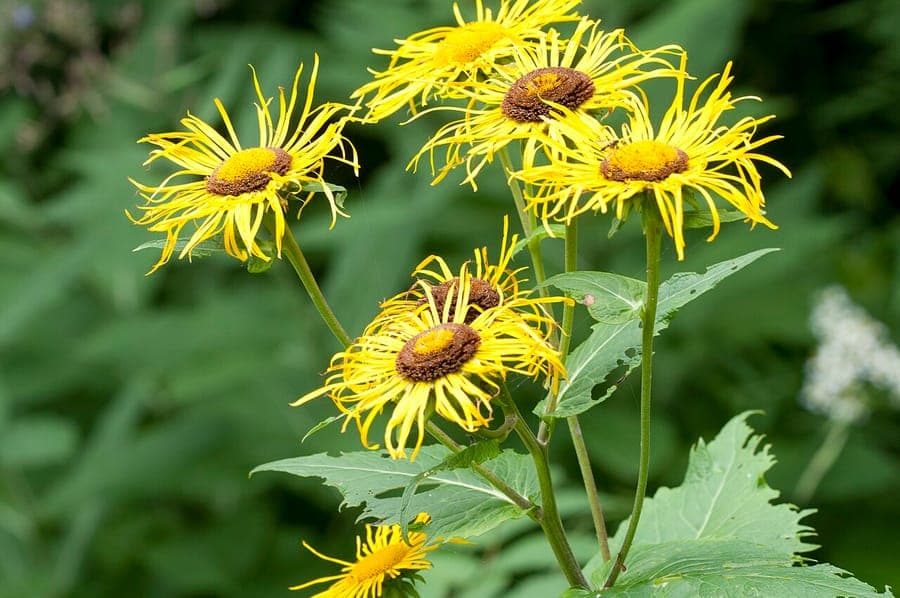
Telekia speciosa is distinguished by its exceptionally large, heart-shaped leaves featuring prominent veining and pointed tips. The foliage can exceed 40 centimeters in length and creates an attractive, monumental leafy presence. The flowers are brilliant yellow, full-petaled blooms appearing in large clustered inflorescences from July through September. Each flower features prominent yellow petals surrounding a yellow center. The flowers are exceptionally showy and attract various beneficial insects throughout the flowering season.
Ideal Location
Telekia speciosa thrives in full sun to light partial shade, requiring at least six to eight hours of direct sunlight daily for optimal flowering. The plant tolerates shadier conditions than many border plants, though flower production will be less prolific. This is a plant that appears remarkably effective along ponds, streams, and water margins where its massive foliage makes a powerful visual statement. The plant also functions beautifully as a background specimen in large borders.
Soil
Telekia speciosa prefers well-draining, nutrient-rich loam. The plant tolerates a broad spectrum of soil types but performs better in moderately moist to wet soils. A neutral to slightly alkaline pH (6.5-7.5) is ideal, although the plant can thrive in somewhat acidic conditions. Incorporate generous quantities of compost when planting to improve soil structure and fertility.
Diseño gratis
¿Quieres ver Telekia speciosa: complete guide en tu jardín? Crea un diseño gratis ahora.
Watering
Telekia speciosa prefers consistent moisture, particularly during the growing season. The plant thrives along water margins and readily tolerates moist soil. Water regularly during dry spells, especially in the first few years and during flowering. This is not a drought-tolerant plant and will perform poorly under very dry conditions. In normal years, regular rainfall is usually sufficient.
Pruning
Telekia speciosa requires minimal pruning when properly sited. Spent flower clusters can be removed after blooming to encourage secondary flowering and prevent excessive self-seeding. In early spring, damaged or remaining stems from the previous year can be removed. Generally, this plant grows in a natural form requiring minimal intervention.
Maintenance Calendar
Spring: Plant new specimens, ensure consistent water supply. Summer: Water regularly, enjoy the flowering period. Autumn: Collect seed if desired, prepare plants for dormancy. Winter: Minimal maintenance; protective mulching may be necessary in severe climates.
Winter Hardiness
Telekia speciosa is hardy in zones 5 through 9. The plant thrives in virtually all temperate gardens, including the Netherlands, Belgium, France, and Germany. In extremely harsh winters, aerial portions may completely die back, but the root system will regenerate. A protective mulch layer around the plant base in autumn provides insulation against severe frost.
Companion Plants
Telekia speciosa works beautifully as a specimen or background plant in borders. It pairs elegantly with other border plants featuring contrasting foliage shapes, including hostas and berberis. In water gardens combined with irises and other aquatic plants, it provides striking structural interest. The plant harmonizes well with lower-growing summer bloomers for pleasing layered effects.
Closing Thoughts
Telekia speciosa is a spectacular and architectural plant that genuinely creates a statement in any garden where it is planted. With its massive foliage and brilliant yellow flowers, it provides years of interesting form and color. Despite its size and distinctive appearance, it remains a very low-maintenance plant. Find your specimens at specialty nurseries or large garden centers. For more inspiration and plant recommendations, visit gardenworld.app/en and explore additional border plants on gardenworld.app/en.
¿Quieres ver Telekia speciosa: complete guide en tu jardín? Crea un diseño gratis ahora.
Sube una foto, elige un estilo y obtén un diseño fotorrealista con lista de plantas en menos de un minuto.
Más de 10.000 jardines diseñados
Sin tarjeta de crédito


Plantas similares
Calendula stellata: complete guide
Calendula stellata
Complete guide to Calendula stellata, the star-flowered marigold from Sicily: location, soil, watering and companion planting tips.
Korean chrysanthemum: complete guide
Chrysanthemum x rubellum
Chrysanthemum x rubellum is a hardy autumn perennial with single pink to copper flowers from August to November. Care and combinations.
Helianthus divaricatus: complete guide
Helianthus divaricatus
Helianthus divaricatus is a North American woodland sunflower with yellow summer blooms, ideal for naturalistic borders and shady edges.