
Wikimedia Commons / Public domain, via Wikimedia Commons
Taxodium distichum: complete guide
Taxodium distichum
¿Quieres ver Taxodium distichum: complete guide en tu jardín?
1 minuto, sin tarjeta de crédito
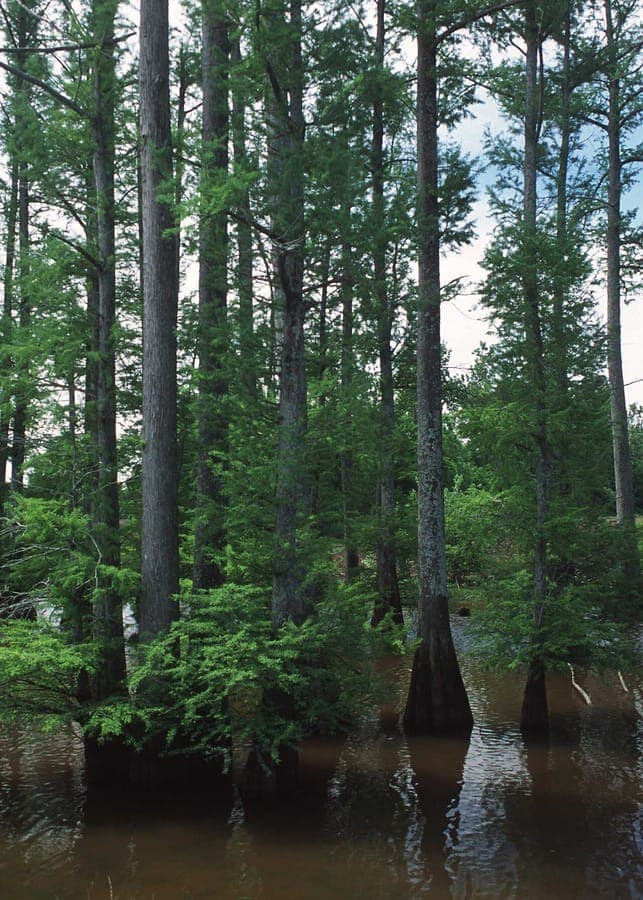
Taxodium distichum, commonly known as bald cypress or swamp cypress, is one of the most remarkable deciduous conifers that can be cultivated in temperate gardens. This majestic tree combines the elegance of classic conifers with the seasonal transformations of leaf drop, offering spectacular autumn colors ranging from vibrant orange to russet red. With its distinctive feathery foliage and extraordinary ability to thrive in waterlogged conditions, it represents a perfect accent specimen for gardens featuring water features or persistently damp sites.
Overview
The bald cypress is a deciduous member of the Cupressaceae family, native to the wetland regions of southeastern North America. Unlike most conifers, this species sheds its needles in autumn, a unique biological adaptation. The tree can reach extraordinary heights, reaching 50 meters or more in natural conditions, though in gardens it remains considerably more modest. The tree is celebrated for its remarkable tolerance of waterlogged conditions, including periodic inundation, making it ideal for marshes, pond margins, and boggy gardens.
Appearance & Bloom
Taxodium distichum displays a narrow, pyramidal form when young, gradually becoming broader with maturity. The branches are soft and feathery, clothed with exceptionally fine, feather-like needles that assume deep reddish tones in autumn before dropping. During the growing season, the foliage ranges from bright green to blue-green. The tree produces small, inconspicuous flowers in spring, followed by distinctive round fruits approximately two centimeters across. These brown-hued fruits create interesting visual elements on the branches throughout the season.
Ideal Location
The bald cypress thrives in full sun to light partial shade, requiring at least four to six hours of direct sunlight daily for optimal growth. The tree tolerates shadier conditions than many conifers and achieves acceptable results even in dappled shade. This specimen works perfectly as a specimen tree or focal point in large gardens. Position it where autumn color can be fully appreciated and reflected in nearby water features.
Soil
While the name suggests this tree grows only in swampy conditions, it actually flourishes in a variety of soil types, provided they maintain adequate moisture and possess good drainage. Rich, nutrient-rich loam with pH 5.0 to 6.5 is ideal. The tree tolerates even sandy soils if watered consistently. Very fertile soil will promote exceptional vigor and form.
Diseño gratis
¿Quieres ver Taxodium distichum: complete guide en tu jardín? Crea un diseño gratis ahora.
Watering
During the first growing season, water regularly to establish a strong root system. Once established, the tree is remarkably drought-tolerant, though it demonstrates preference for consistent moisture. The tree exhibits exceptional tolerance for inundation and can even thrive in permanently waterlogged conditions. In normal years, supplemental watering is necessary only during periods of severe drought. However, avoid extended periods of very dry soil conditions.
Pruning
Bald cypress requires minimal pruning when properly sited. The tree naturally assumes an elegant form as it matures. Remove only dead, diseased, or damaged branches. Significant structural pruning can be performed in late winter if necessary, though this is generally not recommended unless you wish to dramatically alter the tree's natural silhouette. In young trees, frost-damaged branch tips can be carefully shortened.
Maintenance Calendar
Spring: Inspect for winter damage, ensure adequate water supply as growth begins. Summer: Monitor moisture levels, watch for pest populations. Autumn: Enjoy spectacular color display, no maintenance needed. Winter: Minimal maintenance; in severe climates, protection may prevent frost damage.
Winter Hardiness
The bald cypress is hardy in USDA zones 4 through 9 and can therefore flourish throughout most of Europe. The tree withstands winters across the Netherlands, Belgium, France, and Germany without any protection. Even in severely cold winters, occasional branch dieback may occur, but the tree will recover. This makes it an excellent selection for permanent landscape installation.
Companion Plants
The bald cypress works beautifully as a specimen tree but pairs well with other moisture-loving plants including maples, willows, and certain rhododendrons. In wet gardens, it harmonizes with other water-tolerant species such as water iris, astilbe, and speedwell varieties. The tree also provides excellent dappled shade for shade-tolerant understory specimens.
Closing Thoughts
Bald cypress represents a unique and majestic choice for gardeners seeking something truly distinctive. With its unusual deciduous habit, spectacular autumn transformation, and exceptional tolerance for waterlogged conditions, it constitutes a perfect addition to pond margins, streambanks, and wet meadows. Source your specimen from specialty nurseries or garden centers. For more inspiration and plant recommendations, visit gardenworld.app/en and discover more exceptional specimens on gardenworld.app/en.
¿Quieres ver Taxodium distichum: complete guide en tu jardín? Crea un diseño gratis ahora.
Sube una foto, elige un estilo y obtén un diseño fotorrealista con lista de plantas en menos de un minuto.
Más de 10.000 jardines diseñados
Sin tarjeta de crédito


Plantas similares
Cupressus macnabiana: complete guide
Cupressus macnabiana
The Fragrant Cypress offers elegant growth with fine, aromatic foliage. Perfect for temperate climates and as specimen trees in contemporary gardens.
Cupressus guadalupensis: complete guide
Cupressus guadalupensis
The Guadalupe cypress: an elegant conifer for gardens. Complete cultivation guide for this Mexican cypress. Information about care, location, form and maintenance.
Austrocedrus chilensis: complete guide
Austrocedrus chilensis
Discover Austrocedrus chilensis, the Chilean Cedar ornamental conifer. Elegant specimen with fine foliage and columnar form for permanent structure.