
jkirkhart35 / CC BY 2.0, via Wikimedia Commons
Red-seeded Dandelion: complete guide
Taraxacum erythrospermum
¿Quieres ver Red-seeded Dandelion: complete guide en tu jardín?
1 minuto, sin tarjeta de crédito
Overview
The red-seeded dandelion (Taraxacum erythrospermum) is a remarkable variation of the common dandelion known worldwide. This species distinguishes itself through its characteristic reddish-brown seeds, a unique feature that makes this plant fascinating for gardeners and nature enthusiasts alike. Although many people consider dandelions weeds, Taraxacum erythrospermum has numerous valuable properties that make it worth including in your front yard.
This plant originates from Europe to Mongolia and the Caucasus Mountains, where it thrives in temperate climates. In the Netherlands and Belgium, the plant is well-established and grows under various conditions. The plant provides nutrition for bees and butterflies and has traditional medicinal properties that have been known for centuries.
Appearance and bloom time
The red-seeded dandelion is a remarkable plant with a distinctive structure. The plant usually reaches a height of 20 to 50 centimeters, although this can vary depending on growing conditions. The leaves are characteristically toothed to deeply lobed, typically green and somewhat rough-textured. They grow in a rosette at the base of the plant.
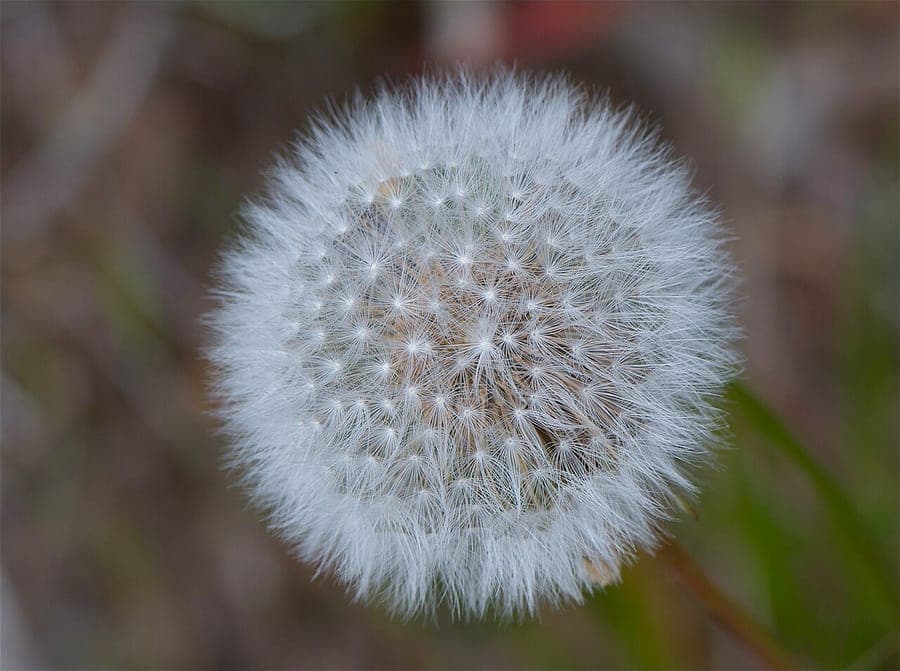
The flowers are bright yellow and appear in spring and summer, usually from April to May. Each flower is a composite of numerous small florets, which is typical for the dandelion family. After pollination, seed heads form with characteristic parachutes that disperse the seed. One of the most distinguishing features is the reddish-brown seeds, which contrast sharply with the lighter color of common dandelions.
Ideal location
The red-seeded dandelion is a highly adaptable plant that grows well in virtually any location. The plant thrives best in places with full sun, although it can also grow well in partial shade. In the Netherlands and Belgium, most garden locations can easily accommodate this plant. The plant is robust enough to also thrive in challenging spots in the garden, such as dry corners and only partially shaded areas.
When selecting a location for your red-seeded dandelion, bear in mind that the plant can spread quickly via seeds. It is therefore wise to plant the plant in a place where unintended seed dispersal does not cause problems. The plant fits well in herb gardens, wild gardens and ecological garden concepts.
Soil
The red-seeded dandelion is not fussy about soil composition. The plant grows well in virtually all soil types, from heavy clay to sandy soils. Although the plant prefers well-draining soil, it also tolerates moist conditions. A pH between 6 and 7 is ideal, but the plant is robust enough to grow outside this range as well.
The plant does not require much nutrition. Strong fertilizer use can even lead to excessive leaf growth without stimulating flowers. A simple, moderately nutrient-rich soil is therefore best for this plant. For best results, you can add compost when planting, but this is not essential given the adaptable nature of this plant.
Diseño gratis
¿Quieres ver Red-seeded Dandelion: complete guide en tu jardín? Crea un diseño gratis ahora.
Watering
The red-seeded dandelion is highly drought-tolerant and requires minimal irrigation. In normal weather conditions, rainwater is sufficient. Only during periods of extreme drought do you need to water. However, the plant is also not sensitive to wet feet and can thrive in moister conditions.
When planting, you can moisten the soil, but after that the plant can usually fend for itself. In dry summers, you can occasionally water, especially if you grow the plant in a pot. However, remember that excessive water can lead to root rot in heavier soils.
Pruning
The red-seeded dandelion requires minimal pruning. To prevent seed dispersal, you can remove the flower heads before they form seed pods. This often stimulates new flower formation and extends the flowering period. However, if you want to let the plant run wild, you can also let the seed pods ripen and disperse.
At the end of the growing season, you can cut the plant back to the ground rosette formation. This promotes a neater growth habit and prevents the plant from taking up too much space. In the next season, the plant will grow again from the base.
Maintenance calendar
Spring (March-May): This is the time for sowing or transplanting new plants. Add compost and water well. Remove competing weeds around the plant.
Summer (June-August): Keep the plant moist during extreme drought. Cut off flower heads before they form seed pods, or let them ripen for natural seed dispersal.
Autumn (September-October): The plant reaches the end of its growing season. Let the plant die off or cut it back to the ground rosette.
Winter (November-February): The plant is dormant. No maintenance required, although drainage remains important during wet periods.
Winter hardiness
The red-seeded dandelion is completely winter-hardy in the Netherlands and Belgium. The plant can winter well as an annual or perennial, depending on sowing and growing conditions. The root stock can winter underground and sprout again in spring.
During extreme cold (below -20 degrees Celsius), the plant may be damaged, but this is rare in our climate. In general, the plant can remain unprotected in the garden during winter dormancy.
Companion plants
The red-seeded dandelion works well with other wild herb plants. Some suitable companions are:
- Other thistle species for a mixed wild garden
- Daisy-like flowers such as Leucanthemum vulgare
- Other yellow-flowering plants such as Solidago (goldenrod)
- Lavender for color contrast and pollinator attraction
- Red sorrel for structure and interesting leaf morphology
Final thoughts
The red-seeded dandelion is an underrated plant that offers many benefits for your front yard. With its beautiful yellow flowers, distinctive seeds and low maintenance needs, it's an ideal plant for those who want a low-maintenance, ecologically conscious front yard. Whether you want a herb garden, wild ecological garden, or simply a low-maintenance yard, the red-seeded dandelion definitely deserves your attention.
For buying red-seeded dandelion seeds or plants in the Netherlands, check Intratuin or Gamma, which usually offer seed packets. This is a plant you can easily grow yourself from seeds, making it a budget-friendly option for filling your front yard.
¿Quieres ver Red-seeded Dandelion: complete guide en tu jardín? Crea un diseño gratis ahora.
Sube una foto, elige un estilo y obtén un diseño fotorrealista con lista de plantas en menos de un minuto.
Más de 10.000 jardines diseñados
Sin tarjeta de crédito


Plantas similares
Calendula stellata: complete guide
Calendula stellata
Complete guide to Calendula stellata, the star-flowered marigold from Sicily: location, soil, watering and companion planting tips.
Korean chrysanthemum: complete guide
Chrysanthemum x rubellum
Chrysanthemum x rubellum is a hardy autumn perennial with single pink to copper flowers from August to November. Care and combinations.
Helianthus divaricatus: complete guide
Helianthus divaricatus
Helianthus divaricatus is a North American woodland sunflower with yellow summer blooms, ideal for naturalistic borders and shady edges.