
Ivar Leidus / CC BY-SA 3.0, via Wikimedia Commons
Tanacetum vulgare: complete guide
Tanacetum vulgare
¿Quieres ver Tanacetum vulgare: complete guide en tu jardín?
1 minuto, sin tarjeta de crédito
Tanacetum vulgare, commonly known as tansy or golden buttons, is a remarkable herb and ornamental plant that has been cultivated in European gardens for centuries. This hardy perennial boasts a rich history of medicinal and culinary uses and remains popular with modern gardeners seeking low-maintenance herbal plants that deliver long-lasting color and fragrance.
Overview
Tansy is a robust perennial in the Asteraceae family, native to temperate regions of Eurasia. The plant is celebrated for its powerfully aromatic foliage and distinctive yellow, button-like flowers that bloom from July through September. Historically, it was used for pest control and parasite remedies; the name derives from this traditional use. In contemporary gardens, gardeners appreciate tansy for its hardy nature, consistent performance, and extended flowering season that attracts beneficial insects.
Appearance & Bloom
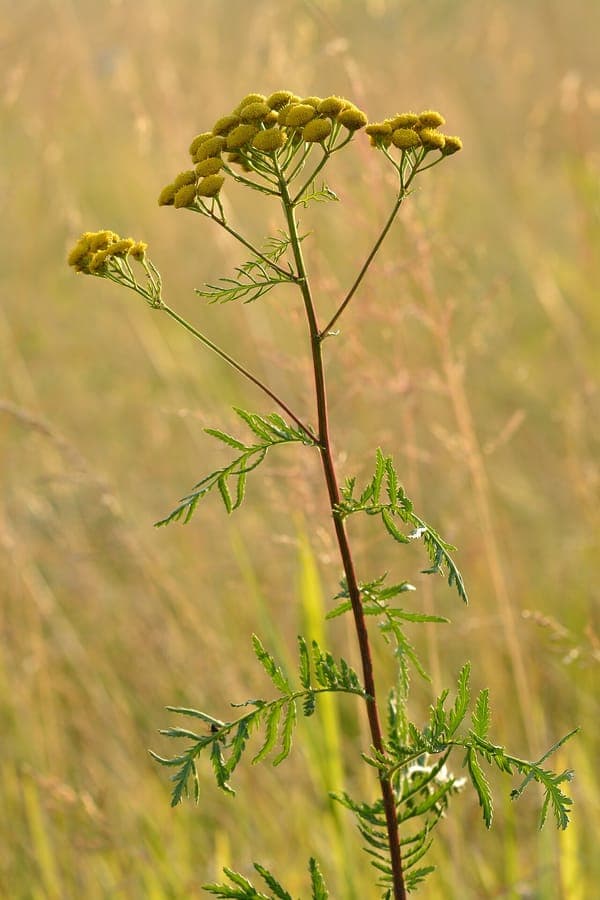
Tanacetum vulgare reaches heights of 24 to 48 inches and forms dense, upright stems clothed with finely divided, feathery foliage. The leaves are dark green and extremely aromatic; when brushed, they release a strong, distinctive fragrance. The flowers are tiny, brilliant yellow, and tightly clustered into flat-topped inflorescences that create a striking visual display, especially during peak bloom in July and August. Following flowering, small dark brown seeds develop, which can be collected for future propagation.
Ideal Location
Tansy thrives in full sun positions with at least six to eight hours of direct daily sunlight. This plant is extraordinarily tolerant of varied conditions and can even produce acceptable results in partial shade, although flowering will be less prolific. The plant maintains its form well and works excellently along property lines, in borders, and as an edging plant where its vertical habit creates structural interest.
Soil
Tansy is not particular about soil composition and grows well in average to moderately fertile earth. Well-draining soil is preferred, but the plant tolerates even somewhat boggy conditions better than many other herbs. Ensure the pH rating is neutral to slightly alkaline (pH 6.5 to 7.5). Incorporate compost when planting for optimal establishment and vigor.
Watering
Once established, tansy is quite drought-tolerant and requires minimal supplemental watering. Water regularly during the first growing season to encourage deep root development. In subsequent years, additional irrigation is needed only during periods of severe drought stress. Guard against waterlogging, particularly during winter months, as this can precipitate root rot. During rainy periods, supplemental watering is typically unnecessary.
Diseño gratis
¿Quieres ver Tanacetum vulgare: complete guide en tu jardín? Crea un diseño gratis ahora.
Pruning
Tansy responds admirably to pruning and should be regularly cut back to encourage a more compact form. After flowering concludes, deadheading the spent flower clusters prevents excessive self-seeding and encourages secondary blooming. In early spring, cut the entire plant back to approximately 6 to 8 inches above ground level, which promotes fuller, bushier regrowth. Damaged or senescent stems can be removed at any time of year.
Maintenance Calendar
Spring: Plant new specimens, cut back overwintered stems, apply organic fertilizer. Summer: Water regularly during dry spells, deadhead spent blooms to extend flowering period. Autumn: Collect seeds if desired, prepare plants for dormancy. Winter: Minimal maintenance needed; mulch around the base in regions with severe winters for frost protection.
Winter Hardiness
Tansy is exceptionally cold-hardy and thrives in USDA zones 3 to 9. The plant withstands virtually all typical winters throughout the Netherlands, Belgium, France, and Germany without protection. In regions experiencing harsh winters, a protective mulch layer around the base prevents excessive soil freezing. In milder climates, overwintered stems often remain intact and provide interesting architectural interest throughout the dormant season.
Companion Plants
Tansy integrates beautifully into borders with fellow summer bloomers such as yarrow (Achillea), lavender (Lavandula), and coneflower (Echinacea). It pairs especially well with ornamental grasses and creates striking color contrast when combined with blue or purple flowering plants. In herb gardens, it grows companionably with other medicinal plants including sage, thyme, and oregano, creating a cohesive botanical collection.
Closing Thoughts
Tansy is an undemanding, vigorous plant that perfectly suits gardeners seeking low-maintenance ornamental herbs. With minimal care, it delivers year after year of captivating yellow flowers and aromatic foliage. Find your specimens at local nurseries and garden centers, and begin adding this classic herb to your landscape today. For more inspiration and gardening advice, visit gardenworld.app/en and discover additional plant varieties to enhance your outdoor space on gardenworld.app/en.
¿Quieres ver Tanacetum vulgare: complete guide en tu jardín? Crea un diseño gratis ahora.
Sube una foto, elige un estilo y obtén un diseño fotorrealista con lista de plantas en menos de un minuto.
Más de 10.000 jardines diseñados
Sin tarjeta de crédito


Plantas similares
Calendula stellata: complete guide
Calendula stellata
Complete guide to Calendula stellata, the star-flowered marigold from Sicily: location, soil, watering and companion planting tips.
Korean chrysanthemum: complete guide
Chrysanthemum x rubellum
Chrysanthemum x rubellum is a hardy autumn perennial with single pink to copper flowers from August to November. Care and combinations.
Helianthus divaricatus: complete guide
Helianthus divaricatus
Helianthus divaricatus is a North American woodland sunflower with yellow summer blooms, ideal for naturalistic borders and shady edges.