
Marco Schmidt[1] / CC BY-SA 2.5, via Wikimedia Commons
Tabernanthe iboga: complete guide
Tabernanthe iboga
¿Quieres ver Tabernanthe iboga: complete guide en tu jardín?
1 minuto, sin tarjeta de crédito
Overview
Tabernanthe iboga is a fascinating tropical shrub from the Apocynaceae family, native to the rainforests of Central Africa, particularly in Gabon, Congo and Cameroon. This plant is known by many names: Iboga, Bitter-grass or Leaf-of-God. It has been used for centuries in traditional ceremonies of the Bwiti people in Gabon. The plant possesses a rich cultural and ethnobotanical history, studied extensively in botanical and historical contexts.
Tabernanthe iboga is a compact to medium-sized shrub reaching approximately two meters in height. Characteristic features include elongated leaves, delicate flowers and remarkable fruits. As a botanical specimen, this plant demonstrates fascinating biochemical and biological adaptations to its tropical habitat, making it exceptionally interesting for botanical study.
Appearance and Bloom
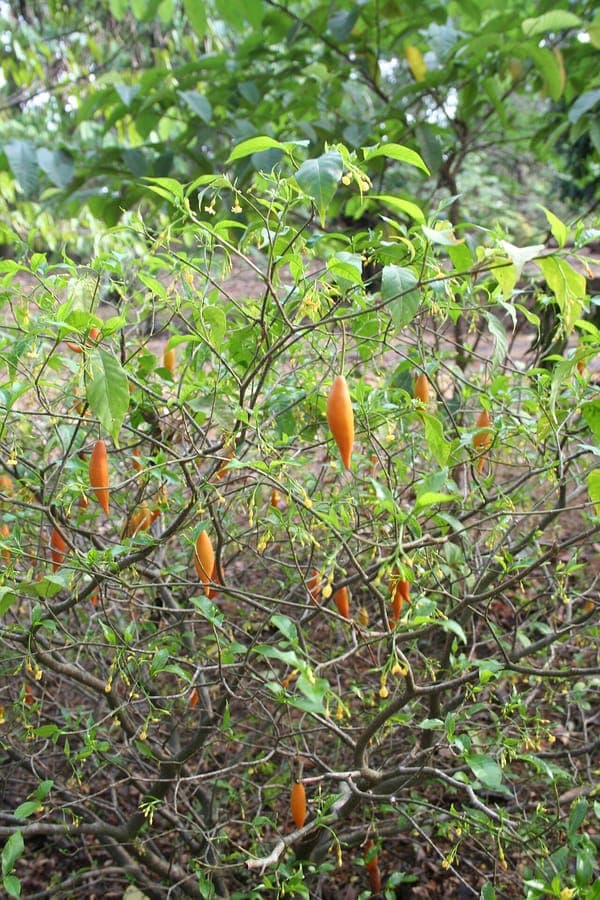
Tabernanthe iboga distinguishes itself through compact growth and elegant foliage. The leaves are elongated, glossy and green, orderly arranged along stems. They reach lengths of 10-15 centimeters. The plant produces small, discrete flowers appearing in dense clusters. The flowers are white to pale pink and rarely very conspicuous.
The fruits of Tabernanthe iboga are particularly interesting: orange to red oval capsules containing two seeds. These fruits are quite striking and add a decorative element. This plant is botanically fascinating in structure and form.
Ideal Location
Tabernanthe iboga thrives best in warm, humid tropical climates. Position this plant where it receives dappled, indirect light. Direct sunlight can damage leaves. The plant prefers locations maintaining temperatures between 20-28 degrees Celsius. Protect against cold drafts and temperature drops.
The plant appreciates high humidity, so place it in humid environments like a greenhouse, conservatory or very humid living space. This is essential for healthy growth. Ensure good air circulation to prevent fungal growth.
Diseño gratis
¿Quieres ver Tabernanthe iboga: complete guide en tu jardín? Crea un diseño gratis ahora.
Soil
Tabernanthe iboga requires very well-draining, nutrient-rich potting soil. Use a mix of humus-rich potting soil with fine bark, perlite and vermiculite. The plant thrives in light acidic to neutral substrate with pH 5.5-7.0. Ensure excellent drainage to prevent root rot.
An ideal mixture consists of: 40% humus-rich potting soil, 30% fine bark chips, 20% perlite, and 10% coconut fibers. This provides both moisture retention and excellent drainage, crucial for tropical plants.
Watering
Keep soil consistently moist during the growing season (spring through fall), but not waterlogged. Water when the top centimeter of soil feels dry. In winter, reduce watering considerably, but ensure substrate never completely dries out.
Always use lukewarm, soft water. Mist leaves regularly to increase humidity and remove dust. The plant is sensitive to sudden humidity changes, so be careful with watering schedules.
Pruning
Pruning is not essential for Tabernanthe iboga, but you can gently prune to maintain compact form. Remove dead or damaged leaves and branches. Pruning is best done in spring.
Avoid heavy pruning, as this can shock the plant. Light pruning to remove unwanted branches usually suffices to maintain attractive shape.
Maintenance Calendar
January - February: Minimal watering, maintain temperature above 18 degrees. March - April: Gradually increase watering. May - August: Regular watering, high humidity, monthly feeding. September - October: Gradually reduce watering. November - December: Minimal watering, keep dry.
Winter Hardiness
Tabernanthe iboga is absolutely not frost-hardy in temperate climates. The plant dies at temperatures below 10 degrees Celsius. In colder climates, this plant must be grown entirely indoors. Ensure minimum temperature never falls below 15 degrees Celsius.
Companion Plants
To create beautiful plant compositions beside your Tabernanthe iboga, consider plants like Roualeya humboldtiana, Allamanda cathartica or other exotic species. These plants share similar humidity and temperature requirements.
Conclusion
Tabernanthe iboga is an exotic and botanically fascinating plant suited for advanced plant enthusiasts. It requires precise temperature and humidity control, but rewards you with unique beauty. This plant is not commonly found in regular garden centers; seek specialized nurseries or online sources. Learn more about tropical plants at gardenworld.app.
¿Quieres ver Tabernanthe iboga: complete guide en tu jardín? Crea un diseño gratis ahora.
Sube una foto, elige un estilo y obtén un diseño fotorrealista con lista de plantas en menos de un minuto.
Más de 10.000 jardines diseñados
Sin tarjeta de crédito


Plantas similares
Asclepias speciosa: complete guide
Asclepias speciosa
Showy milkweed: striking pink-white flowers, fragrant blooms. Essential monarch butterfly host plant.
Plumeria obtusa: complete guide
Plumeria obtusa
Discover the Singapore graveyard flower: an exotic evergreen with mesmerizing white blooms and exquisite fragrance. Expert cultivation, care, and maintenance tips.
Wrightia arborea: complete guide
Wrightia arborea
Wrightia arborea, known as doodhi, is an elegant tree from South Asia with delicate white flowers. Discover how to cultivate this exotic plant.